Generic selectors
Exact matches only
Search in title
Search in content
Post Type Selectors

Tag: Roberto Docampo

Lathosterol Oxidase (Sterol C-5 Desaturase) Deletion Confers Resistance to Amphotericin B and Sensitivity to Acidic Stress in Leishmania Major
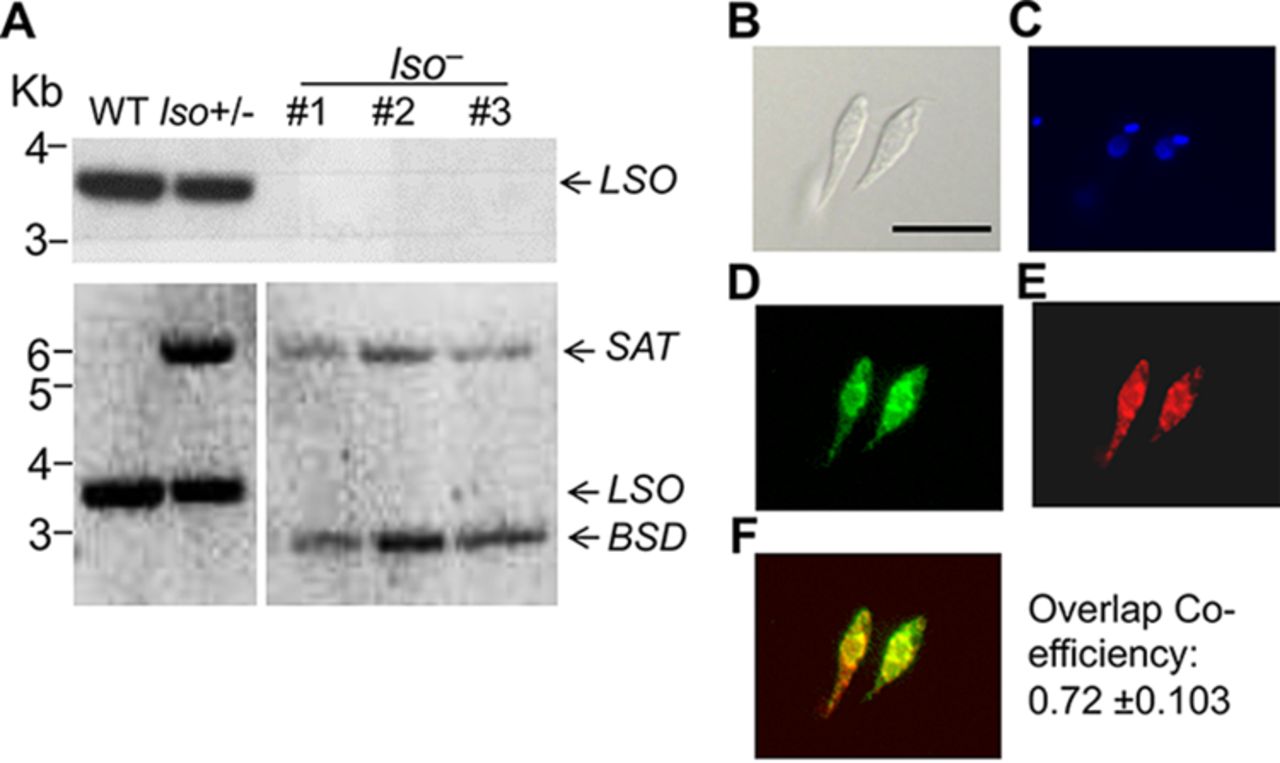
Lathosterol oxidase (LSO) catalyzes the formation of the C-5–C-6 double bond in the synthesis of various types of sterols in mammals, fungi, plants, and protozoa. In Leishmania parasites, mutations in LSO or other sterol biosynthetic genes are associated with amphotericin B resistance. To investigate the biological roles of sterol C-5–C-6 desaturation, we generated an LSO-null mutant line (lso−) in Leishmania major, …
Noelia Lander receives research award

Noelia Lander, a cellular biologist and postdoctoral researcher in Roberto Docampo's laboratory, has received the 2020 Postdoctoral Award from the UGA Research Foundation. Lander has used her research to advance understanding of a dangerous parasite affecting millions of people worldwide. She adapted the CRISPR/Cas9 genome-editing system for the study of Trypanosoma cruzi, a human parasite that …

Multi-target heteroleptic palladium bisphosphonate complexes

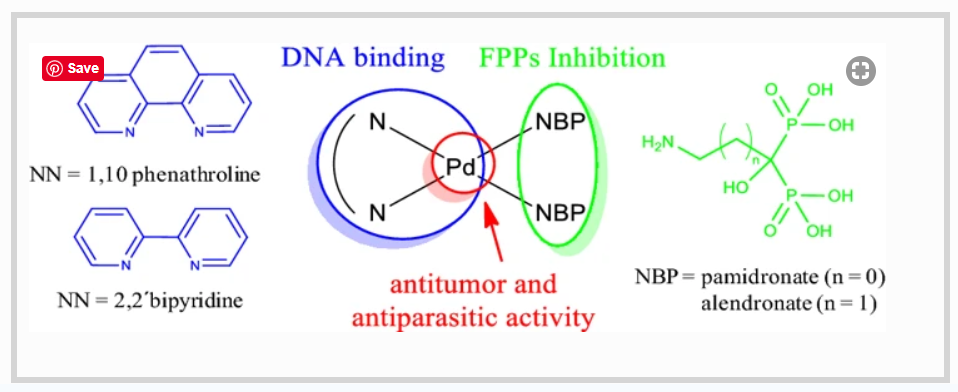
Bisphosphonates are the most commonly prescribed drugs for the treatment of osteoporosis and other bone illnesses. Some of them have also shown antiparasitic activity. In search of improving the pharmacological profile of commercial bisphosphonates, our group had previously developed first row transition metal complexes with N-containing bisphosphonates (NBPs). In this work, we extended our studies to …

CRISPR/Cas9 Technology Applied to the Study of Proteins Involved in Calcium Signaling in Trypanosoma cruzi

Chagas disease is a vector-borne tropical disease affecting millions of people worldwide, for which there is no vaccine or satisfactory treatment available. It is caused by the protozoan parasite Trypanosoma cruzi and considered endemic from North to South America. This parasite has unique metabolic and structural characteristics that make it an attractive organism for basic research. The …

Isolation and Characterization of Acidocalcisomes from Trypanosomatids

Acidocalcisomes are membrane-bounded, electron-dense, acidic organelles, rich in calcium and polyphosphate. These organelles were first described in trypanosomatids and later found from bacteria to human cells. Some of the functions of the acidocalcisome are the storage of cations and phosphorus, participation in pyrophosphate (PPi) and polyphosphate (polyP) metabolism, calcium signaling, maintenance of intracellular pH homeostasis, …

The Mitochondrial Calcium Uniporter Interacts with Subunit c of the ATP Synthase of Trypanosomes and Humans

Mitochondrial Ca2+ transport mediated by the uniporter complex (MCUC) plays a key role in the regulation of cell bioenergetics in both trypanosomes and mammals. Here we report that Trypanosoma brucei MCU (TbMCU) subunits interact with subunit c of the mitochondrial ATP synthase (ATPc), as determined by coimmunoprecipitation and split-ubiquitin membrane-based yeast two-hybrid (MYTH) assays. Mutagenesis analysis in combination …

A CRISPR/Cas9-riboswitch-Based Method for Downregulation of Gene Expression in Trypanosoma cruzi

Few genetic tools were available to work with Trypanosoma cruzi until the recent introduction of the CRISPR/Cas9 technique for gene knockout, gene knock-in, gene complementation, and endogenous gene tagging. Riboswitches are naturally occurring self-cleaving RNAs (ribozymes) that can be ligand-activated. Results from our laboratory recently demonstrated the usefulness of the glmS ribozyme from Bacillus subtilis, which has been shown to …