Generic selectors
Exact matches only
Search in title
Search in content
Post Type Selectors

Author: Donna Huber

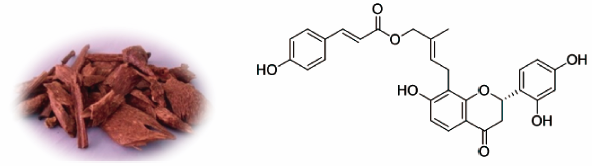
Flavanones From the Twigs and Barks of Artocarpus Lakoocha Having Antiplasmodial and Anti-TB Activities

Chromatographic separation of the acetone extracts from the twigs and barks of Artocarpus lakoocha led to the isolation of the one new flavanone, lakoochanone (1), together with eleven known compounds (2-12). Lakoochanone (1) and moracin C (4) exhibited weak antiplasmodial activity against Plasmodium falciparum Dd2 with IC50 values of 36.7 and 33.9 µM, respectively. Moreover, moracin …

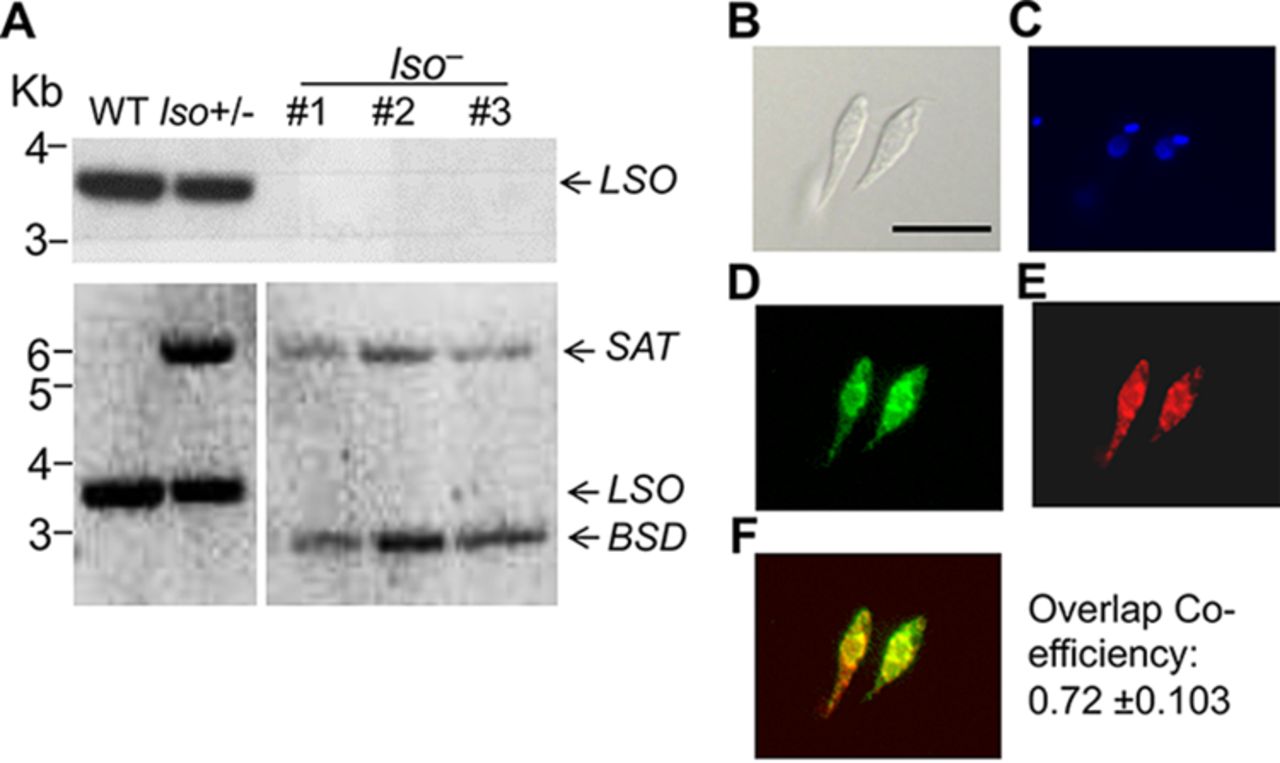
Lathosterol Oxidase (Sterol C-5 Desaturase) Deletion Confers Resistance to Amphotericin B and Sensitivity to Acidic Stress in Leishmania Major

Lathosterol oxidase (LSO) catalyzes the formation of the C-5–C-6 double bond in the synthesis of various types of sterols in mammals, fungi, plants, and protozoa. In Leishmania parasites, mutations in LSO or other sterol biosynthetic genes are associated with amphotericin B resistance. To investigate the biological roles of sterol C-5–C-6 desaturation, we generated an LSO-null mutant line (lso−) in Leishmania major, …

Cutting Edge: Augmenting Muscle MHC Expression Enhances Systemic Pathogen Control at the Expense of T Cell Exhaustion

Myocytes express low levels of MHC class I (MHC I), perhaps influencing the ability of CD8+ T cells to efficiently detect and destroy pathogens that invade muscle. Trypanosoma cruzi infects many cell types but preferentially persists in muscle, and we asked if this tissue-dependent persistence was linked to MHC expression. Inducible enhancement of skeletal muscle MHC I in …

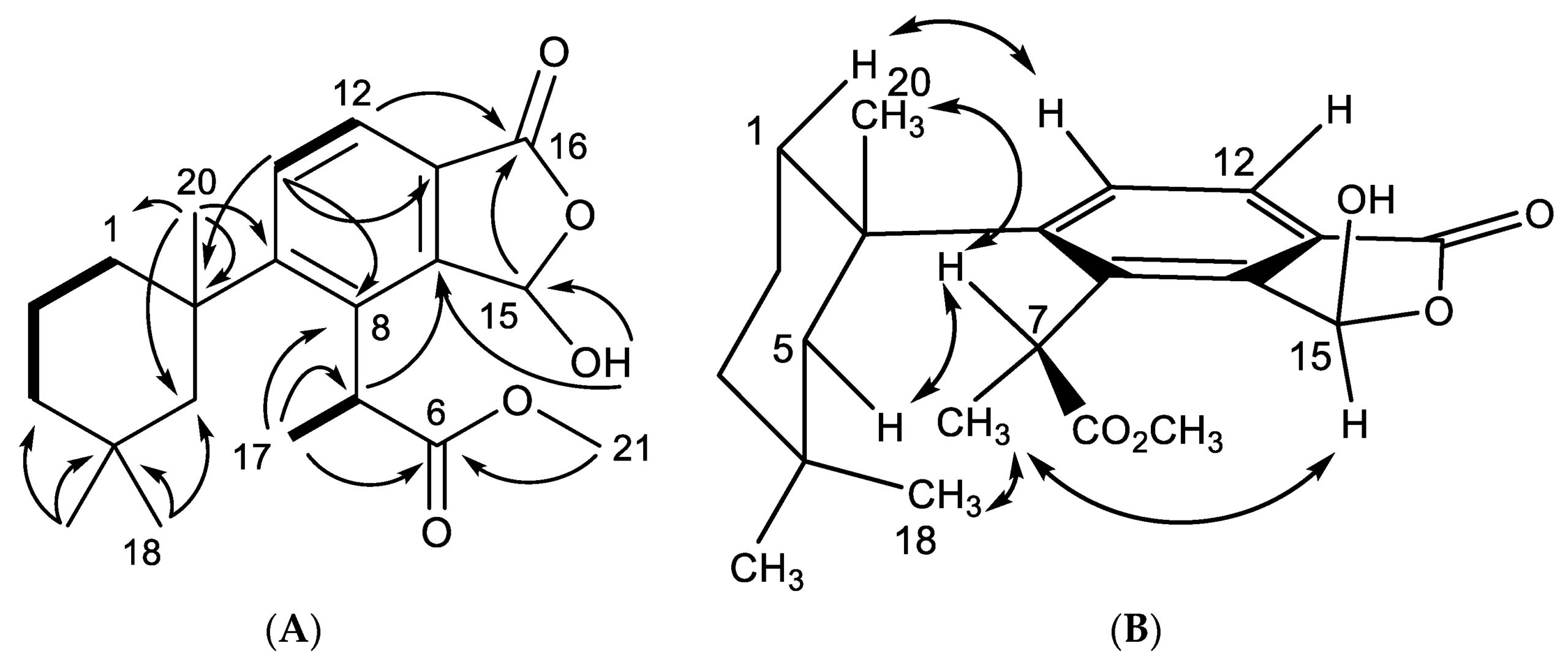
Bioactivity of Spongian Diterpenoid Scaffolds From the Antarctic Sponge Dendrilla antarctica

The Antarctic sponge Dendrilla antarctica is rich in defensive terpenoids with promising antimicrobial potential. Investigation of this demosponge has resulted in the generation of a small chemical library containing diterpenoid secondary metabolites with bioactivity in an infectious disease screening campaign focused on Leishmania donovani, Plasmodium falciparum, and methicillin-resistant Staphylococcus aureus (MRSA) biofilm. In total, eleven natural products were isolated, including three …

New Scheme of Intermittent Benznidazole Administration in Patients Chronically Infected With Trypanosoma cruzi: Clinical, Parasitological and Serological Assessment After Three Years of Follow-Up

Introduction. In a pilot study, we showed that intermittent administration of benznidazole in chronic Chagas disease patients resulted in a low rate of treatment suspension and therapeutic failure, as assessed by qPCR at the end of treatment. Herein, a three-year post-treatment follow-up study of the same cohort of patients is presented. Methods. The treatment scheme consisted …

Dynamics of Infection and Pathology Induced by the Aporocotylid, Cardicola Laruei, in Spotted Seatrout, Cynoscion Nebulosus (Sciaenidae)

  The sciaenid Spotted Seatrout (Cynoscion nebulosus) are infected by blood flukes (Cardicola spp.). A 2 year survey in estuaries of South Carolina, USA, showed that adult flukes and granulomas occurred throughout the year but their prevalence was highest in summer (61% and 84%, respectively), indicating an unusually high level of infection for wild fish. Granulomas …

Regional Survey of Diamondback Moth (Lepidoptera: Plutellidae) Response to Maximum Dosages of Insecticides in Georgia and Florida

We conducted maximum dose bioassays of insecticide for the control of diamondback moth (DBM), Plutella xylostella (Linnaeus), in cole crops, from 2016 to 2019 at several commercial locations in Georgia and Florida. The nominal maximum dose was defined as the highest labeled rate of an insecticide at the beginning of the survey in the equivalent …

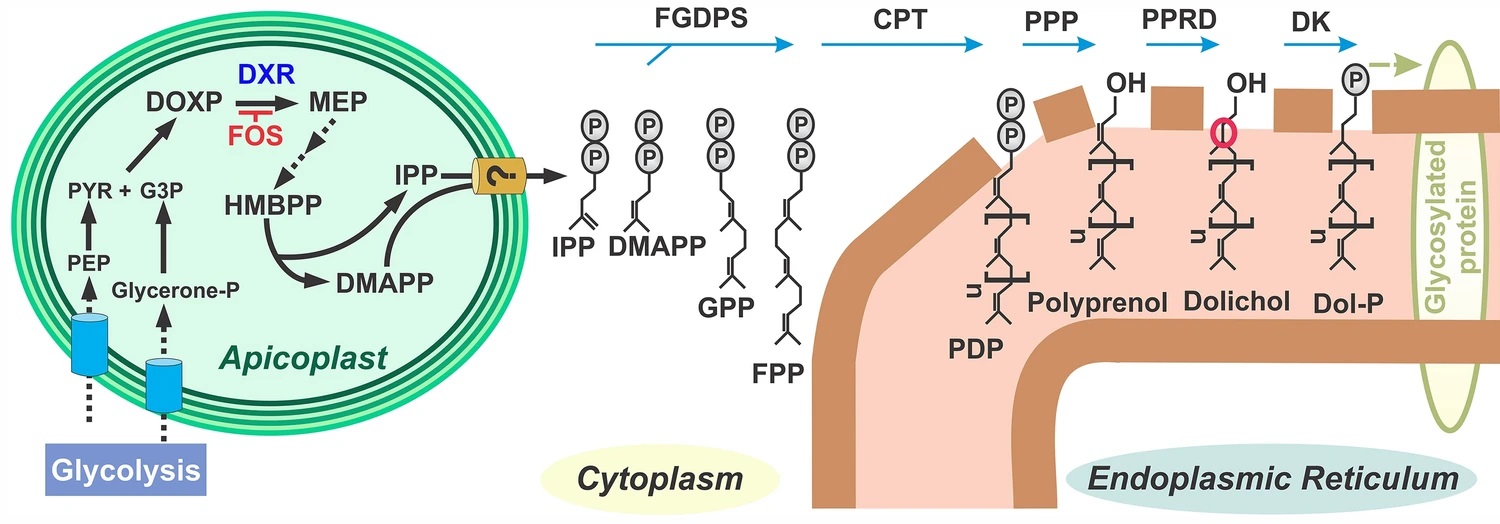
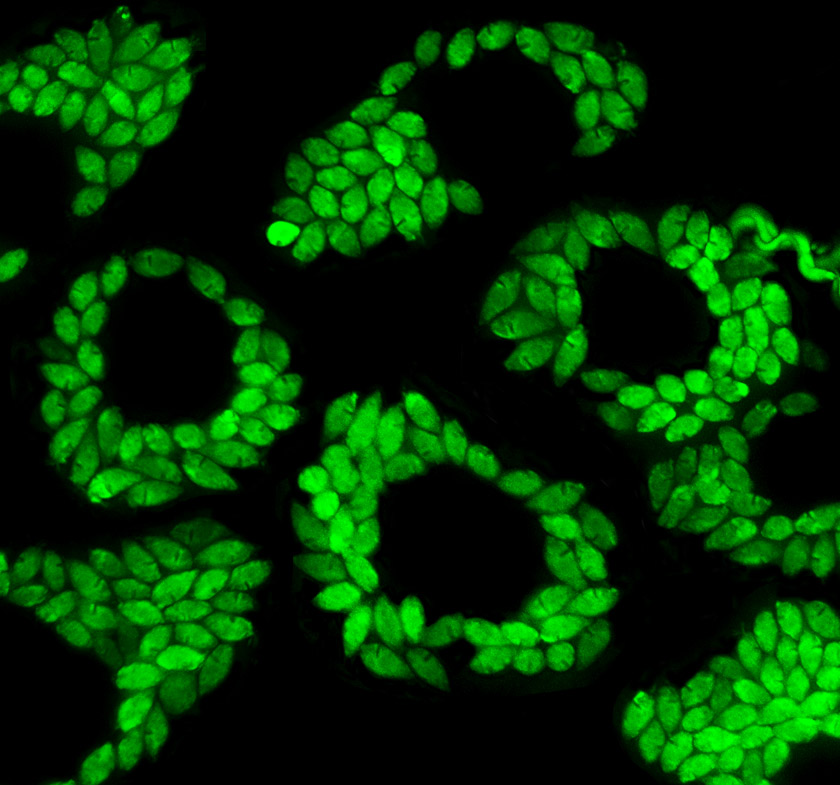
The Functional Characterization of TcMyoF Implicates a Family of Cytostome-Cytopharynx Targeted Myosins as Integral to the Endocytic Machinery of Trypanosoma cruzi

Of the pathogenic trypanosomatids, Trypanosoma cruzi alone retains an ancient feeding apparatus known as the cytostome-cytopharynx complex (SPC) that it uses as its primary mode of endocytosis in a manner akin to its free-living kinetoplastid relatives who capture and eat bacterial prey via this endocytic organelle. In a recent report, we began the process of dissecting how this …

Discovery of Anti-Amoebic Inhibitors from Screening the MMV Pandemic Response Box on Balamuthia mandrillaris, Naegleria fowleri, and Acanthamoeba castellanii

Pathogenic free-living amoebae, Balamuthia mandrillaris, Naegleria fowleri, and several Acanthamoeba species are the etiological agents of severe brain diseases, with case mortality rates > 90%. A number of constraints including misdiagnosis and partially effective treatments lead to these high fatality rates. The unmet medical need is for rapidly acting, highly potent new drugs to reduce these alarming mortality rates. …

Evaluation of Morbidity in Schistosoma Mansoni-Positive Primary and Secondary School Children After Four Years of Mass Drug Administration of Praziquantel in Western Kenya

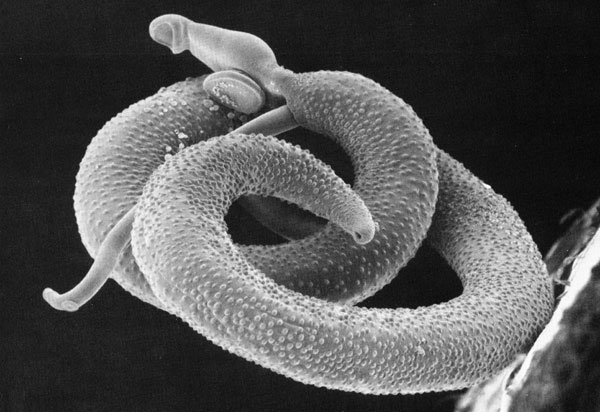
Background: World Health Organization guidelines recommend preventive chemotherapy with praziquantel to control morbidity due to schistosomiasis. The primary aim of this cross-sectional study was to determine if 4 years of annual mass drug administration (MDA) in primary and secondary schools lowered potential markers of morbidity in infected children 1 year after the final MDA compared to …