Generic selectors
Exact matches only
Search in title
Search in content
Post Type Selectors

Tag: Trypanosoma cruzi

Reduced Trypanosoma cruzi-specific humoral response and enhanced T cell immunity after treatment interruption with benznidazole in chronic Chagas disease

Background: Interruption of benznidazole therapy due to the appearance of adverse effects, which is presumed to lead to treatment failure, is a major drawback in the treatment of chronic Chagas disease.

Methods: Trypanosoma cruzi-specific humoral and T cell responses, T cell phenotype and parasite load were measured to compare the outcome in 33 subjects with chronic Chagas disease treated with an incomplete benznidazole regimen and 58 subjects treated with the complete regimen, during a median follow-up period of 48 months.

Results: Both treatment regimens induced a reduction in the T. cruzi-specific antibody levels and similar rates of treatment failure when evaluated using quantitative PCR. Regardless of the regimen, polyfunctional CD4+ T cells increased in the subjects, with successful treatment outcome defined as a decrease of T. cruzi-specific antibodies. Regardless of the serological outcome, naive and central memory T cells increased after both regimens. A decrease in CD4+ HLA-DR+ T cells was associated with successful treatment in both regimens. The cytokine profiles of subjects with successful treatment showed fewer inflammatory mediators than those of the untreated T. cruzi-infected subjects. High levels of T cells expressing IL-7 receptor and low levels of CD8+ T cells expressing the programmed cell death protein 1 at baseline were associated with successful treatment following benznidazole interruption.

Conclusions: These findings challenge the notion that treatment failure is the sole potential outcome of an incomplete benznidazole regimen and support the need for further assessment of the treatment protocols for chronic Chagas disease.

Melisa D Castro Eiro, María A Natale, María G Alvarez, Huifeng Shen, Rodolfo Viotti, Bruno Lococo, Jacqueline Bua, Myriam Nuñez, Graciela L Bertocchi, María C Albareda, Gonzalo Cesar, Rick L Tarleton, Susana A Laucella. J Antimicrob Chemother. 2021 Mar 7;dkab054. doi: 10.1093/jac/dkab054
Strain-specific genome evolution in Trypanosoma cruzi, the agent of Chagas disease

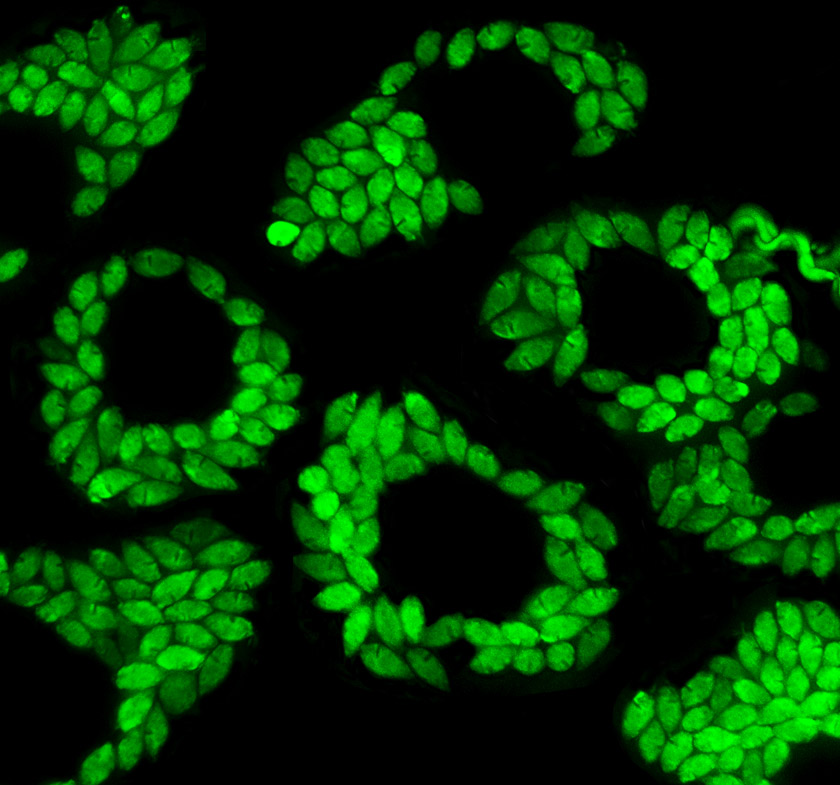
The protozoan Trypanosoma cruzi almost invariably establishes life-long infections in humans and other mammals, despite the development of potent host immune responses that constrain parasite numbers. The consistent, decades-long persistence of T. cruzi in human hosts arises at least in part from the remarkable level of genetic diversity in multiple families of genes encoding the primary target antigens of anti-parasite immune responses. However, the highly repetitive nature of the genome-largely a result of these same extensive families of genes-have prevented a full understanding of the extent of gene diversity and its maintenance in T. cruzi. In this study, we have combined long-read sequencing and proximity ligation mapping to generate very high-quality assemblies of two T. cruzi strains representing the apparent ancestral lineages of the species. These assemblies reveal not only the full repertoire of the members of large gene families in the two strains, demonstrating extreme diversity within and between isolates, but also provide evidence of the processes that generate and maintain that diversity, including extensive gene amplification, dispersion of copies throughout the genome and diversification via recombination and in situ mutations. Gene amplification events also yield significant copy number variations in a substantial number of genes presumably not required for or involved in immune evasion, thus forming a second level of strain-dependent variation in this species. The extreme genome flexibility evident in T. cruzi also appears to create unique challenges with respect to preserving core genome functions and gene expression that sets this species apart from related kinetoplastids.

Wang W, Peng D, Baptista RP, Li Y, Kissinger JC, Tarleton RL (2021) Strain-specific genome evolution in Trypanosoma cruzi, the agent of Chagas disease. PLoS Pathog 17(1): e1009254. https://doi.org/10.1371/journal.ppat.1009254

The Inositol Pyrophosphate Biosynthetic Pathway of Trypanosoma cruzi

Inositol phosphates (IPs) are phosphorylated derivatives of myo-inositol involved in the regulation of several cellular processes through their interaction with specific proteins. Their synthesis relies on the activity of specific kinases that use ATP as phosphate donor. Here, we combined reverse genetics and liquid chromatography coupled to mass spectrometry (LC-MS) to dissect the inositol phosphate biosynthetic pathway and its metabolic intermediates in the main life cycle stages (epimastigotes, cell-derived trypomastigotes, and amastigotes) of Trypanosoma cruzi, the etiologic agent of Chagas disease. We found evidence of the presence of highly phosphorylated IPs, like inositol hexakisphosphate (IP6), inositol heptakisphosphate (IP7), and inositol octakisphosphate (IP8), that were not detected before by HPLC analyses of the products of radiolabeled exogenous inositol. The kinases involved in their synthesis (inositol polyphosphate multikinase (TcIPMK), inositol 5-phosphate kinase (TcIP5K), and inositol 6-phosphate kinase (TcIP6K)) were also identified. TcIPMK is dispensable in epimastigotes, important for the synthesis of polyphosphate, and critical for the virulence of the infective stages. TcIP5K is essential for normal epimastigote growth, while TcIP6K mutants displayed defects in epimastigote motility and growth. Our results demonstrate the relevance of highly phosphorylated IPs in the life cycle of T. cruzi.

Brian S Mantilla, Leticia D Do Amaral, Henning J Jessen, Roberto Docampo. ACS Chem Biol. 2021 Jan 7. doi: 10.1021/acschembio.0c00759

The IP 3 receptor and Ca 2+ signaling in trypanosomes

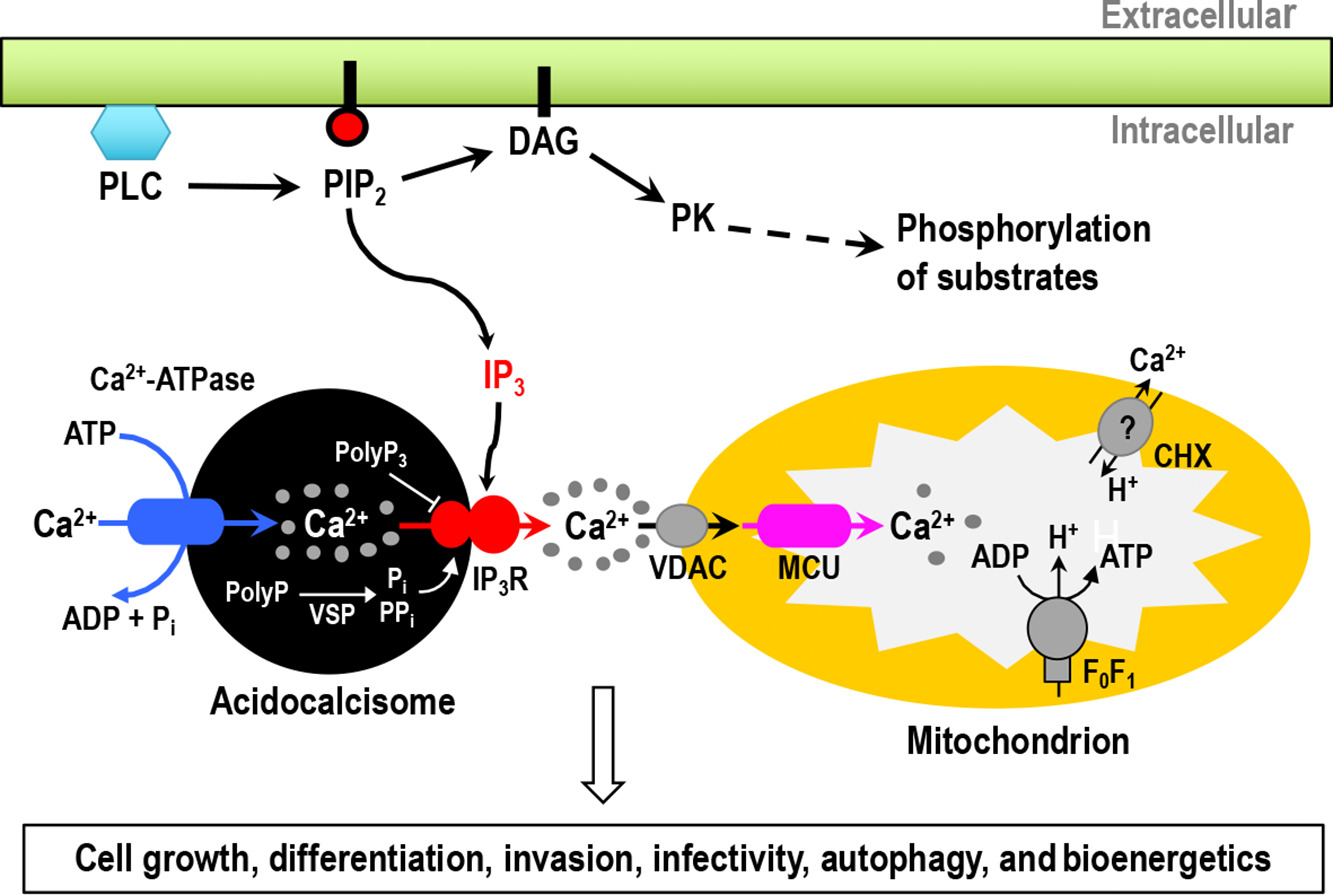
Trypanosoma cruzi, and the T. brucei group of parasites cause neglected diseases that affect millions of people around the world. These unicellular microorganisms have complex life cycles involving an insect vector and a mammalian host. Both groups of pathogens possess an inositol 1,4,5-trisphosphate (IP3)/diacylglycerol (DAG) signaling pathway, and an IP3 receptor, but with lineage-specific adaptations that make them different from their mammalian counterparts. The phospholipase C (PLC), which hydrolyzes phosphatidyl inositol 4,5-bisphosphate (PIP2) to IP3 is N-terminally myristoylated and palmitoylated. Acidocalcisomes, which are lysosome-related organelles rich in polyphosphate, are the main intracellular Ca2+ stores. The inositol 1,4,5-trisphosphate receptor (IP3R) localizes to acidocalcisomes instead of the endoplasmic reticulum. The trypanosome IP3R is stimulated by luminal phosphate and pyrophosphate, which are hydrolysis products of polyphosphate (polyP), and inhibited by tripolyphosphate (polyP3), which is the most abundant polyP in acidocalcisomes. Ca2+ signaling is important for host cell invasion and differentiation and to maintain cellular bioenergetics.

Roberto Docampo, Guozhong Huang. Biochim Biophys Acta Mol Cell Res. 2021 Jan 6;118947. doi: 10.1016/j.bbamcr.2021.118947

Affinity‐based proteomics reveals novel targets of inositol pyrophosphate (5‐IP7)‐dependent phosphorylation and binding in Trypanosoma cruzi replicative stages

Diphosphoinositol-5-pentakisphosphate (5-PP-IP5 ), also known as inositol heptakisphosphate (5-IP7 ), has been described as a high-energy phosphate metabolite that participates in the regulation of multiple cellular processes through protein binding or serine pyrophosphorylation, a post-translational modification involving a β-phosphoryl transfer. In this study, utilizing an immobilized 5-IP7 affinity reagent, we performed pull-down experiments coupled with mass spectrometry identification, and bioinformatic analysis, to reveal 5-IP7 -regulated processes in the two proliferative stages of the unicellular parasite Trypanosoma cruzi. Our protein screen clearly defined two cohorts of putative targets either in the presence of magnesium ions or in metal-free conditions. We endogenously tagged four protein candidates and immunopurified them to assess whether 5-IP7 -driven phosphorylation is conserved in T. cruzi. Among the most interesting targets, we identified a choline/o-acetyltransferase domain-containing phosphoprotein that undergoes 5-IP7 -mediated phosphorylation events at a polyserine tract (Ser578-580 ). We also identified a novel SPX domain-containing phosphoribosyl transferase [EC 2.7.6.1] herein termed as TcPRPPS4. Our data revealed new possible functional roles of 5-IP7 in this divergent eukaryote, and provided potential new targets for chemotherapy.

Brian S Mantilla, Karunakaran Kalesh, Nathaniel W Brown Jr, Dorothea Fiedler, Roberto Docampo. Mol Microbiol. 2020 Dec 22. doi: 10.1111/mmi.14672.

Different Sensitivity of Control and MICU1- and MICU2-Ablated Trypanosoma cruzi Mitochondrial Calcium Uniporter Complex to Ruthenium-Based Inhibitors

The mitochondrial Ca2+ uptake in trypanosomatids shares biochemical characteristics with that of animals. However, the composition of the mitochondrial Ca2+ uniporter complex (MCUC) in these parasites is quite peculiar, suggesting lineage-specific adaptations. In this work, we compared the inhibitory activity of ruthenium red (RuRed) and Ru360, the most commonly used MCUC inhibitors, with that of the recently described inhibitor Ru265, on Trypanosoma cruzi, the agent of Chagas disease. Ru265 was more potent than Ru360 and RuRed in inhibiting mitochondrial Ca2+ transport in permeabilized cells. When dose-response effects were investigated, an increase in sensitivity for Ru360 and Ru265 was observed in TcMICU1-KO and TcMICU2-KO cells as compared with control cells. In the presence of RuRed, a significant increase in sensitivity was observed only in TcMICU2-KO cells. However, application of Ru265 to intact cells did not affect growth and respiration of epimastigotes, mitochondrial Ca2+ uptake in Rhod-2-labeled intact cells, or attachment to host cells and infection by trypomastigotes, suggesting a low permeability for this compound in trypanosomes.

Mayara S Bertolini, Roberto Docampo. Int J Mol Sci. 2020 Dec 7;21(23):E9316. doi: 10.3390/ijms21239316.

Rick Tarleton elected AAAS Fellow

Photo credit: Andrew Tucker

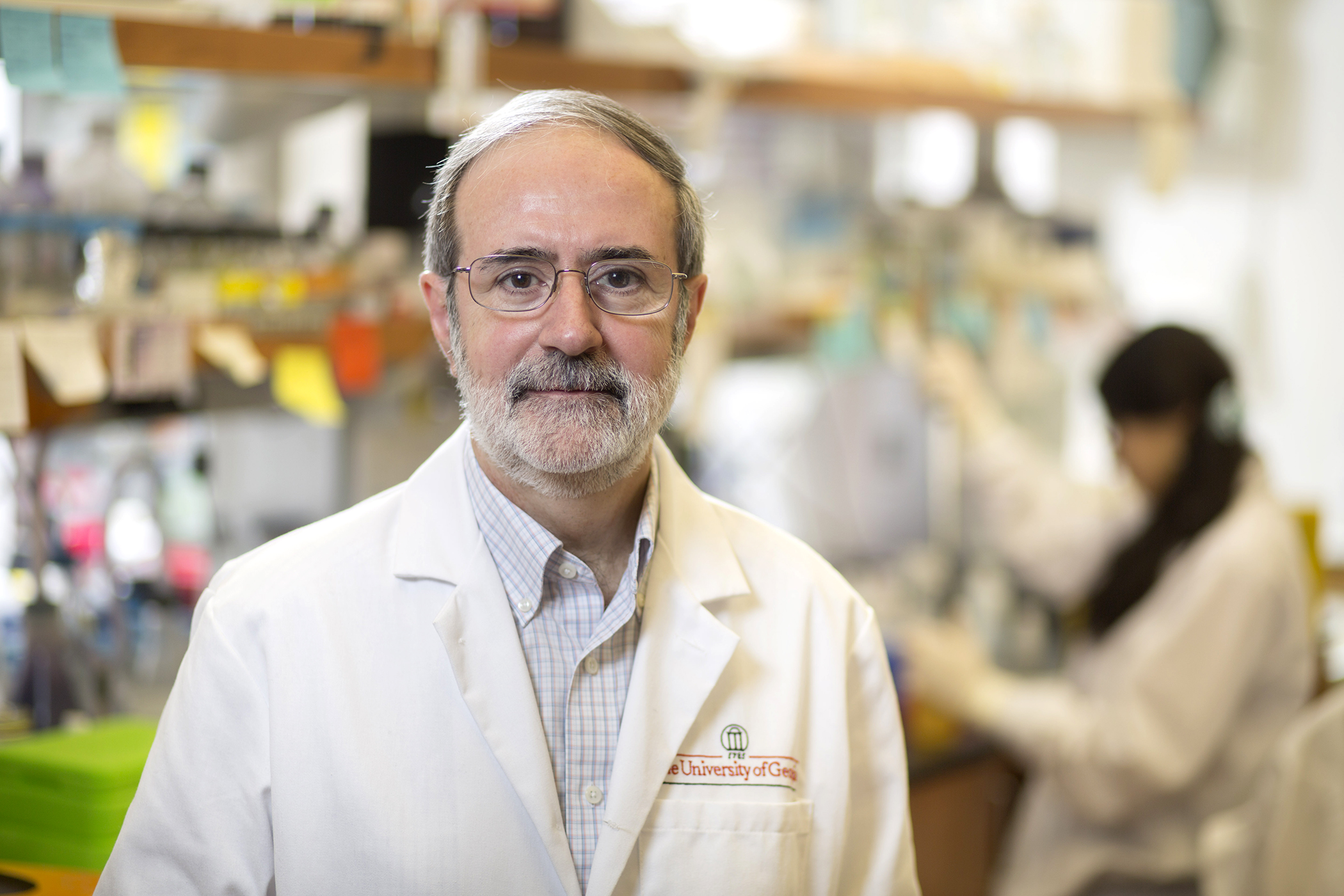
University of Georgia researcher Rick Tarleton has been elected as a 2020 American Association for the Advancement of Science (AAAS) Fellow by the AAAS Council “for distinguished contributions to the field of biological sciences, particularly for his research contributions and leadership to control Chagas Disease.”

Tarleton is a Regents Professor in the Department of Cellular Biology and UGA Athletic Association Distinguished Professor in Biological Sciences.

“It is indeed an honor to be acknowledged in this way – it reflects the strong efforts of many past and present members of the lab,” stated Tarleton, founder of the Center for Tropical and Emerging Global Diseases.

Since his undergraduate days, Tarleton’s research has focused on Trypanosoma cruzi infection, which causes the potentially fatal illness Chagas Disease. Historically, Tarleton’s research has attempted to answer broad questions such as how is immune control initiated and maintained during the infection, how does T. cruzi manage to avoid immune clearance and maintain an infection of decades in host, and what is the relationship between immunity, parasite persistence, and disease development. In an effort to answer these questions and more, Tarleton’s research group has developed tools to better study T. cruzi. They pioneered the use of the gene editing tool CRISPR in T. cruzi. Recently, they applied light sheet fluorescent microscopy to view infection in whole mouse organs. The Tarleton Research Group is also actively pursuing drug discovery for T. cruzi infection in a number of animal models including rodent, dog, and nonhuman primates. Their recent discovery of a dormancy stage in T. cruzi infections has revolutionized their drug treatment research, bringing them one step closer to finding a cure for this infection that affects at least 6 million people.

Tarleton’s work has largely been funded by the National Institutes of Health, the Wellcome Trust, the Burroughs Wellcome Fund, and partnerships with several pharmaceutical groups.

In addition to establishing the Center for Tropical and Emerging Global Diseases at UGA, he has been instrumental in organizing the Chagas Drug Discovery Consortium, which brings together U.S.-based laboratories with international groups. Tarleton is also the founder and current president of The Chagas Disease Foundation. He has been honored with a number of awards, including the Lamar Dodd Outstanding Researcher Award and being named a Burroughs Wellcome Fund Scholar in Molecular Parasitology. In 2017, he was elected as a Fellow of the American Academy of Microbiology.

“Rick’s election as a Fellow of AAAS is recognition of his immense contributions to the study of T. cruzi,” said Dennis Kyle, director of the Center for Tropical and Emerging Global Diseases. “His research has advanced our understanding of immune response to the pathogen, has developed new molecular approaches to study the parasite, and has accelerated drug discovery for Chagas Disease.”

Outbreak News Today Interviews Rick Tarleton

Recently, Dr. Rick Tarleton was interviewed by Outbreak News Today about his recently published study in Science Translational Medicine.

[button size=’large’ style=” text=’Listen Now’ icon=” icon_color=’BA0C2F’ link=’http://outbreaknewstoday.com/chagas-disease-treatment-research-with-rick-tarleton-phd-81114/’ target=’_self’ color=” hover_color=” border_color=” hover_border_color=” background_color=” hover_background_color=” font_style=” font_weight=” text_align=” margin=”]

Stronger treatments could cure Chagas disease

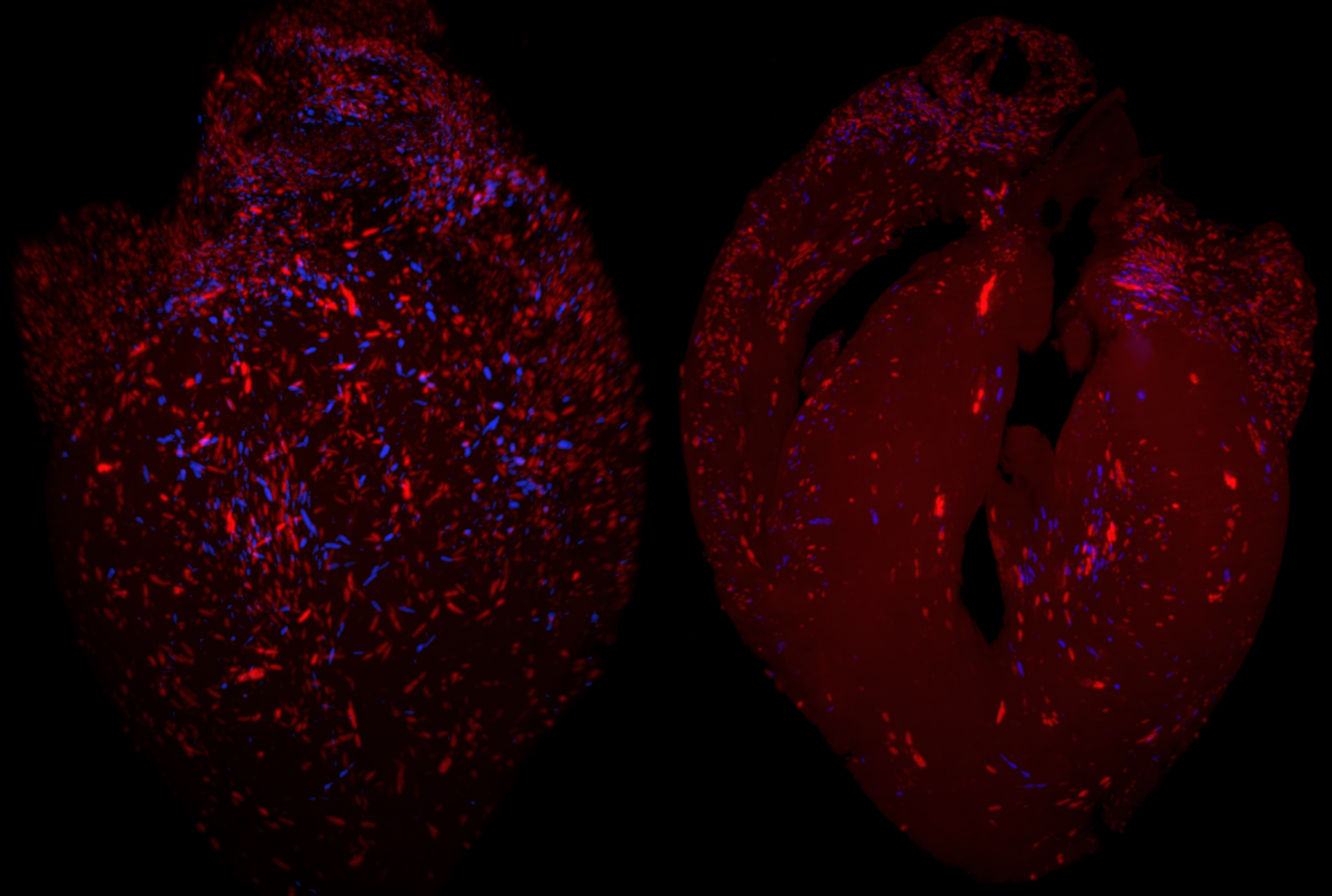
3D (left) and single slice (right) light sheet microscopy imaging of the heart of a mouse infected with two strains (red and blue) of Trypanosoma cruzi. (Image credit: Fernando Sanchez-Valdez)

Research shows stronger but less frequent drug doses could be key

Researchers in the University of Georgia’s Center for Tropical and Emerging Global Diseases have found that a more intensive, less frequent drug regimen with currently available therapeutics could cure the infection that causes Chagas disease, a potentially life-threatening illness affecting up to 300,000 people in the United States.

Trypanosoma cruzi is a single-celled parasitic organism that causes Chagas disease. At least 6 million people are infected by T. cruzi, mostly in South America. Current drug therapies have been ineffective in completely clearing the infection and are associated with severe adverse side effects.

A single dose of benznidazole has been shown to be highly effective in killing more than 90% of parasites. However, after a CTEGD team found some of the parasites enter into a dormancy stage, the researchers hypothesized that an intermittent treatment schedule could be effective.

Rick Tarleton
Photo credit: Peter Frey/UGA

“Current human trials are only looking at giving lower doses over a shorter time period, which is the exact opposite of what we show works.”  — Rick Tarleton

“In this system we can see what a single dose of drug does,” said Rick Tarleton, Regents’ Professor in UGA’s department of cellular biology. “Does it make sense to give a drug twice daily when the remaining dormant parasites are insensitive to it?”

The investigators found that giving as little as two-and-a-half times the typical daily dose of benznidazole, once per week for 30 weeks, completely cleared the infection, whereas giving the standard daily dose once a week for a longer period did not.

“Current human trials are only looking at giving lower doses over a shorter time period, which is the exact opposite of what we show works,” said Tarleton.

Since Tarleton’s team worked with a mouse model, how this change in treatment regimen will translate in humans is yet unknown, as are any potential side effects of the higher doses. Adverse reactions already are a problem with current treatments; the hope is that side effects from a less frequent dosage would be more tolerable.

Significant challenge

Assessing the success of treatments in Chagas disease is a significant challenge. Tissue samples from infected organisms might not be representative of the entire organ or animal, since low numbers of persistent, dormant parasites can be difficult to detect. Therefore, Tarleton’s group used light sheet fluorescence microscopy to view intact whole organs from infected mice.

“With light sheet fluorescence microscopy, you have a broad view of potentially any tissue in the mouse that allows for dependable assessment of parasite load and persistence,” said Tarleton. “It gives you an incredible view of the infection.”

Using this technology, they learned something new about the dormant parasites: Some were still susceptible to drug treatment. This provides hope that new drug therapies could be developed to target these parasites.

“Discovery of new drugs should continue,” Tarleton said. “We still need better drugs.”


Co-led by assistant research scientist Juan Bustamante and research professional Fernando Sanchez-Valdez in Tarleton’s research group, the study’s findings appear in Science Translational Medicine.