Generic selectors
Exact matches only
Search in title
Search in content
Post Type Selectors

Tag: Dennis Kyle

Differential Growth Rates and In Vitro Drug Susceptibility to Currently Used Drugs for Multiple Isolates of Naegleria fowleri

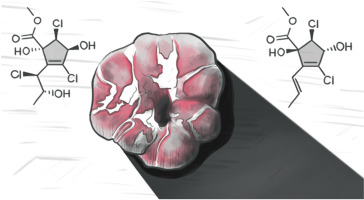
The free-living amoeba Naegleria fowleri, which typically dwells within warm, freshwater environments, can opportunistically cause primary amoebic meningoencephalitis (PAM), a disease with a mortality rate of >97%. The lack of positive treatment outcomes for PAM has prompted the discovery and development of more effective therapeutics, yet most studies utilize only one or two clinical isolates. …

Structure-activity and structure-property relationship studies of spirocyclic chromanes with antimalarial activity

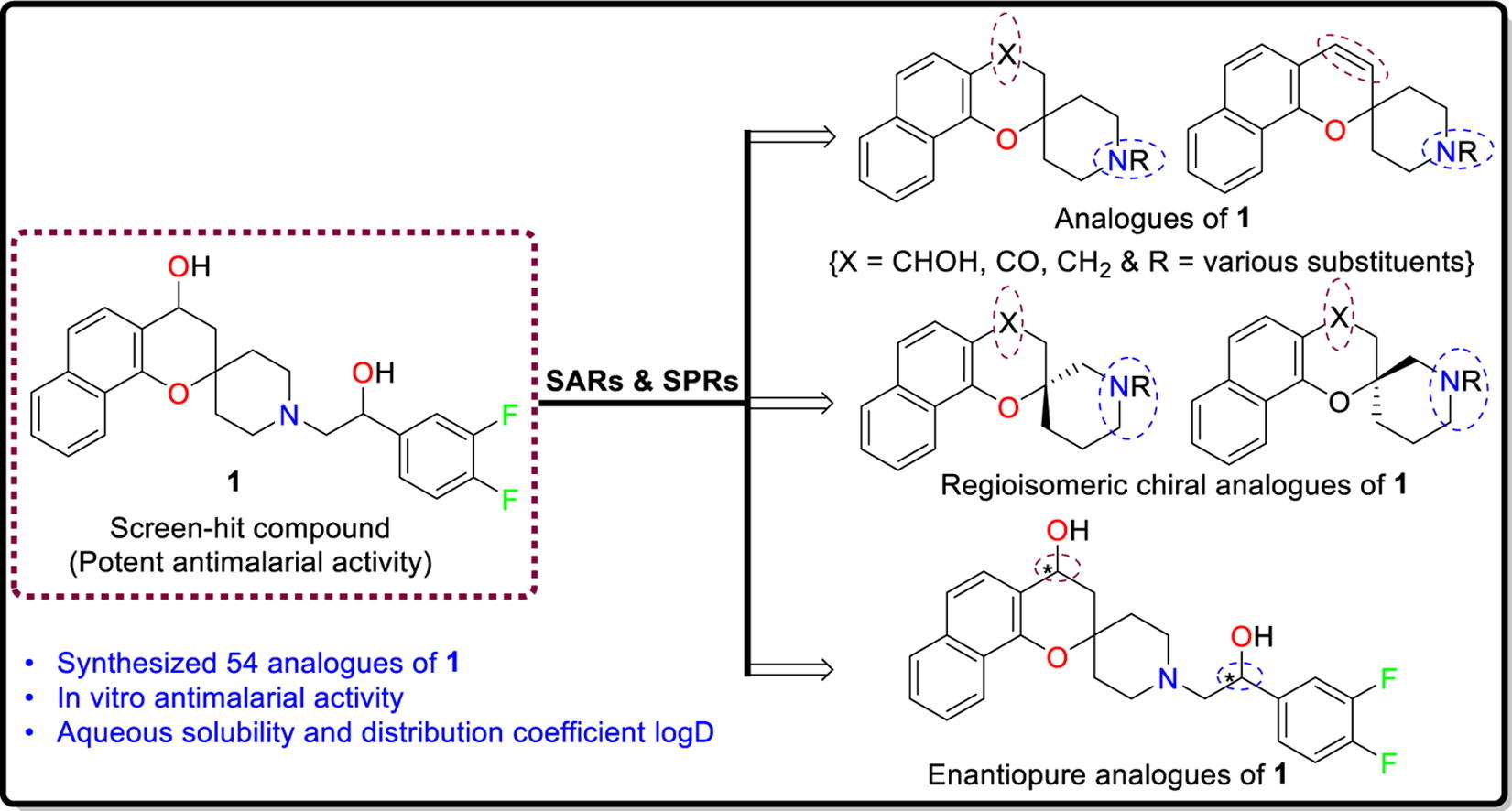
Malaria is a prevalent and lethal disease. The fast emergence and spread of resistance to current therapies is a major concern and the development of a novel line of therapy that could overcome, the problem of drug resistance, is imperative. Screening of a set of compounds with drug/natural product-based sub-structural motifs led to the identification …

A Phenotypic Screen for the Liver Stages of Plasmodium vivax

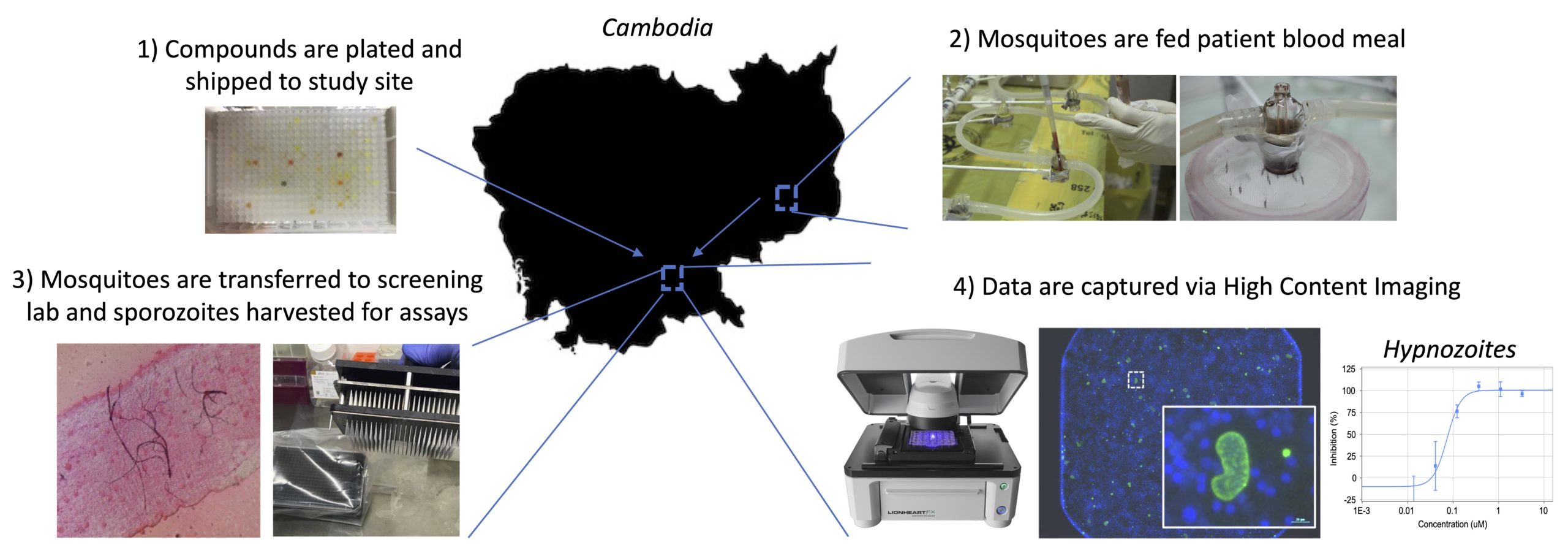
Control of malaria caused by Plasmodium vivax can be improved by the discovery and development of novel drugs against the parasite's liver stage, which includes relapse-causing hypnozoites. Several recent reports describe breakthroughs in the culture of the P. vivax liver stage in 384-well microtiter plates, with the goal of enabling a hypnozoite-focused drug screen. Herein …

Diagnostic Characteristics of Lactate Dehydrogenase on a Multiplex Assay for Malaria Detection Including the Zoonotic Parasite Plasmodium knowlesi

Plasmodium lactate dehydrogenase (pLDH) is a common target in malaria rapid diagnostic tests (RDTs). These commercial antibody capture assays target either Plasmodium falciparum-specific pLDH (PfLDH), P. vivax-specific pLDH (PvLDH), or a conserved epitope in all human malaria pLDH (PanLDH). However, there are no assays specifically targeting P. ovale, P. malariae or zoonotic parasites such as …

The transcriptome of Balamuthia mandrillaris trophozoites for structure-guided drug design

Balamuthia mandrillaris, a pathogenic free-living amoeba, causes cutaneous skin lesions as well as granulomatous amoebic encephalitis, a 'brain-eating' disease. As with the other known pathogenic free-living amoebas (Naegleria fowleri and Acanthamoeba species), drug discovery efforts to combat Balamuthia infections of the central nervous system are sparse; few targets have been validated or characterized at the …

Researchers implement new tool to screen drugs for treating malaria relapses

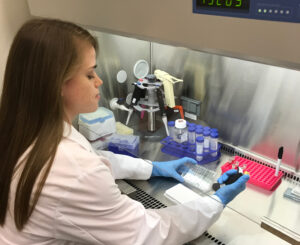
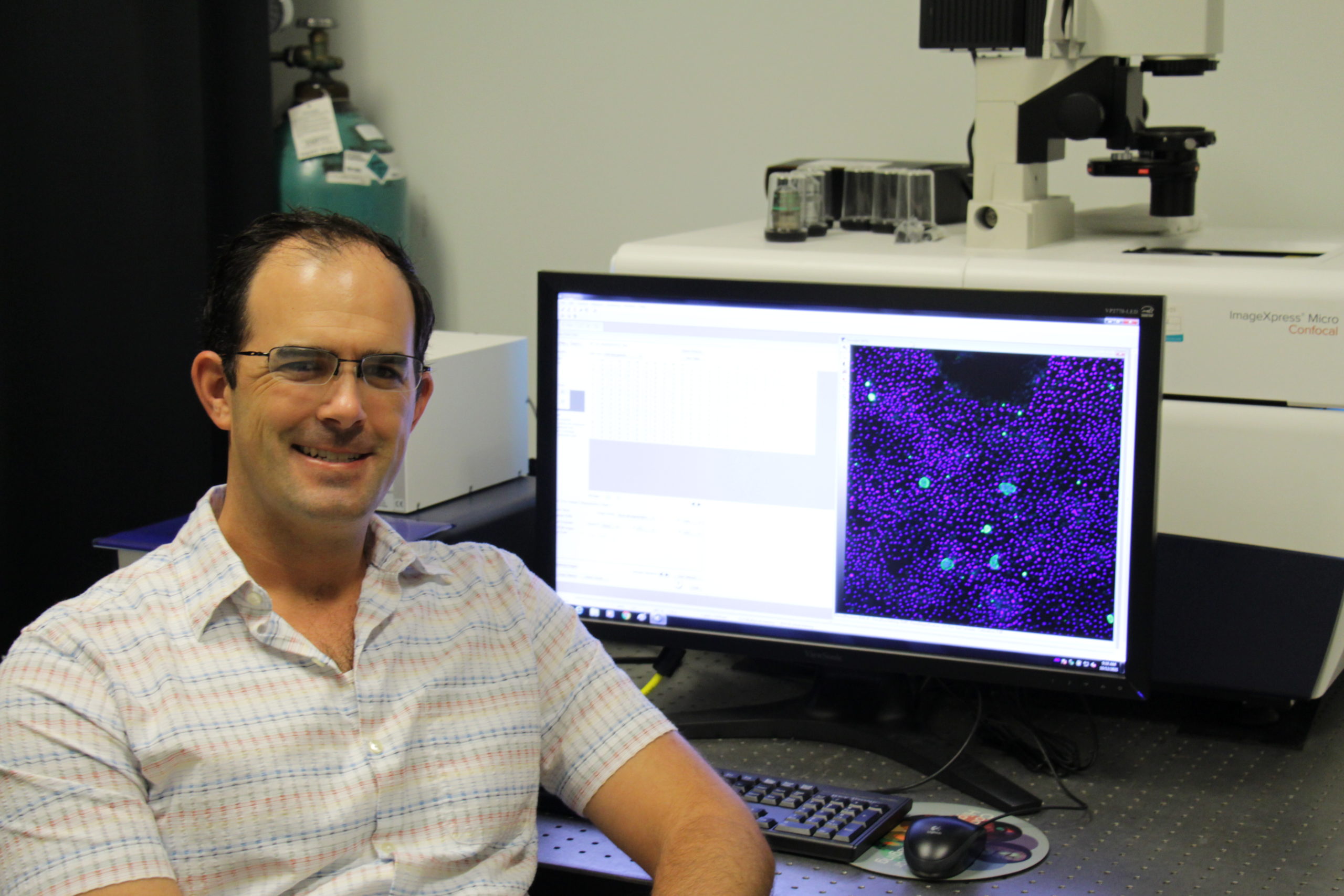
Steve Maher, assistant research scientist in the Center for Tropical Emerging and Global Diseases, leads a team of researchers who have implemented a new screening tool to determine if a drug candidate kills hypnozoites, the cause of malaria relapses. (Photo by Donna Huber) Globally, efforts to control malaria caused by Plasmodium vivax are lagging behind that of …

Probing the distinct chemosensitivity of Plasmodium vivax liver stage parasites and demonstration of 8-aminoquinoline radical cure activity in vitro

Improved control of Plasmodium vivax malaria can be achieved with the discovery of new antimalarials with radical cure efficacy, including prevention of relapse caused by hypnozoites residing in the liver of patients. We screened several compound libraries against P. vivax liver stages, including 1565 compounds against mature hypnozoites, resulting in one drug-like and several probe-like …

UGA researchers developing new models for malaria drug development and testing

CTEGD member Chet Joyner and CTEGD director Dennis Kyle receive a grant from the Bill & Melinda Gates Foundation for malaria drug development and testing Two UGA researchers are working to make it easier to develop effective treatments for malaria, a disease that sickens millions worldwide and kills hundreds of thousands each year. In tropical …