Generic selectors
Exact matches only
Search in title
Search in content
Post Type Selectors

Tag: Cryptosporidium

Genomic Characterization of Cryptosporidium spp. via iNextEra Library Preparation and Hybridization Bait Capture

Next-generation DNA sequencing (NGS) is used to study the genome sequences of Cryptosporidium spp., but NGS is challenging when pure Cryptosporidium oocysts are limited in number or not available. Varying levels of parasites present in fecal samples, combined with the abundance of host cells, bacterial and other microbial cells, and undigested food particles, often result in fecal DNA samples with ~0.1% Cryptosporidium DNA, making genome-scale sequencing of Cryptosporidium from such samples cost-prohibitive. DNA extractions from fecal samples are, however, widely available and commonly used for polymerase chain reaction (PCR)-based diagnostics which can detect fg levels of Cryptosporidium DNA in complex DNA mixtures. Here, we describe an Illumina NGS sample preparation protocol (iNextEra) that can generate libraries from a wide range of DNA input (<1 ng to >60 ng). We then use those libraries within a modified myBaits capture hybridization protocol using CryptoCap_100K baits to enrich Cryptosporidium genomic DNA from a complex DNA background to increase the percentage of generated sequence reads that map to target Cryptosporidium reference genome sequences. Thus, iNextEra libraries and capture hybridization facilitate genome-level sequencing of this critical pathogen from widely available samples with less cost, thereby opening new opportunities to understand the complex biology of this important pathogen.

Mohammad Imtiaj Uddin Bhuiyan, Fiifi Agyabeng-Dadzie, Amanda H Sullivan, Megan S Beaudry, Kelly N Petersen, Piotr T Tuczapski, Michael E Grigg, Jessica C Kissinger, Travis C Glenn. Methods Mol Biol. 2026:2978:41-64. doi: 10.1007/978-1-0716-4824-7_4.

Amplicon sequencing detects, identifies, and quantifies minority variants in mixed-species infections of Cryptosporidium parasites

Fig 1 Cryptosporidium species identification using 18S amplicon sequencing.


Cryptosporidium is a globally endemic parasite genus with over 40 recognized species. While C. hominis and C. parvum are responsible for most human infections, human cases involving other species have also been reported. Furthermore, there is increasing evidence of simultaneous infections with multiple species. Therefore, we devised a new means to identify various species of Cryptosporidium in mixed infections by sequencing a 431 bp amplicon of the 18S rRNA gene encompassing two variable regions. Using the DADA2 pipeline, amplicons were first identified to a genus using the SILVA 132 reference database; then Cryptosporidium amplicons to a species using a custom database. This approach demonstrated sensitivity, successfully detecting and accurately identifying as little as 0.001 ng of C. parvum DNA in a complex stool background. Notably, we differentiated mixed infections and demonstrated the ability to identify potentially novel species of Cryptosporidium both in situ and in vitro. Using this method, we identified Cryptosporidium parvum in Egyptian rabbits with three samples showing minor mixed infections. By contrast, no mixed infections were detected in Egyptian children, who were primarily infected with C. hominis. Thus, this pipeline provides a sensitive tool for Cryptosporidium species-level identification, allowing for the detection and accurate identification of minor variants and mixed infections.

IMPORTANCE Cryptosporidium is a eukaryotic parasite and a leading global cause of waterborne diarrhea, with over 40 recognized species infecting livestock, wildlife, and people. While we have effective tools for detecting Cryptosporidium in clinical and agricultural water samples, there is still a need for a method that can efficiently identify known species as well as infections with multiple Cryptosporidium species, which are increasingly being reported. In this study, we utilized sequencing of a specific region to develop a sensitive and accurate identification workflow for Cryptosporidium species based on high-throughput sequencing. This method can distinguish between all 40 recognized species and accurately detect mixed infections. Our approach provides a sensitive and reliable means to identify Cryptosporidium species in complex clinical and agricultural samples. This has important implications for clinical diagnostics, biosurveillance, and understanding disease transmission, ultimately benefiting clinicians and produce growers.

Randi Turner, Doaa Naguib, Elora Pierce, Alison Li, Matthew Valente, Travis C Glenn, Benjamin M Rosenthal, Jessica C Kissinger, Asis Khan. mBio. 2025 Oct 8;16(10):e0110925. doi: 10.1128/mbio.01109-25.

Gene regulation in Cryptosporidium: New insights and unanswered questions

graphical abstract

Parasites of the genus Cryptosporidium have evolved to have a highly compact genome of ∼9.1 Mb. The mechanisms that regulate gene expression in Cryptosporidium spp. remain incompletely understood at all levels, including chromatin accessibility, transcription factor activation and repression and RNA processing. This review discusses possible mechanisms of gene regulation in Cryptosporidium spp., including histone modifications, cis regulatory elements, transcription factors and non-coding RNAs. Cryptosporidium spp. are among the most basal branching apicomplexans and existing evidence suggests that they diverge from other members of their phylum via retention of the E2F/DP1 transcription factor family, and the recent discovery that C. parvum produces polycistronic transcripts. Most of what we know about gene regulation in the genus Cryptosporidium is based on sequence conservation and homology with other members of the phylum Apicomplexa, and in some cases, more distant eukaryotes. Very few putative gene regulatory components identified in Cryptosporidium spp. are supported by experimental confirmation. This review summarizes what we know about gene regulation in Cryptosporidium spp. and identifies gaps in our current understanding.

Samantha Gunasekera, Jessica C Kissinger. Curr Res Parasitol Vector Borne Dis. 2025 Jun 17:8:100280. doi: 10.1016/j.crpvbd.2025.100280. eCollection 2025.

New T2T assembly of Cryptosporidium parvum IOWA II annotated with Legacy-Compatible Gene identifiers

FIgure 1 Amino acid alignment between GP60 sequences from all four C. parvum IOWA II genome assemblies analyzed.
Amino acid alignment between GP60 sequences from all four C. parvum IOWA II genome assemblies analyzed.

Cryptosporidium parvum is a significant pathogen causing gastrointestinal infections in humans and animals. It is spread through ingesting contaminated food and water. Despite its global health significance, generating a C. parvum genome sequence has been challenging for many reasons including cloning and challenging subtelomeric regions. A new, gapless, hybrid, telomere-to-telomere genome assembly was created for C. parvum IOWA II, here termed CpBGF. It reveals 8 chromosomes, a genome size of 9,259,183 bp, and resolves complex subtelomeric regions. To facilitate ease of use and consistency with the literature, the chromosomes have been oriented, and genes in this annotation have been given similar gene IDs as those used in the 2004, C. parvum IOWA II reference genome sequence. The new annotation utilized considerable RNA expression evidence including single-molecule Iso-Seq data; thus, untranslated regions, long noncoding RNAs, and antisense RNAs are annotated. The CpBGF genome assembly serves as a valuable resource for understanding the biology, pathogenesis, and transmission of C. parvum, and it facilitates the development of diagnostics, drugs, and vaccines against cryptosporidiosis.

Rodrigo de Paula Baptista, Rui Xiao, Yiran Li, Travis C Glenn, Jessica C Kissinger. Sci Data. 2025 Jun 19;12(1):1039. doi: 10.1038/s41597-025-05364-3.

A new chromosome-level genome assembly and annotation of Cryptosporidium meleagridis

DNA synteny plot mapping the contigs of CmUKMEL1 to the eight chromosome-level contigs of CmTU1867. Jupiterplot between the previous CmUKMEL1 genome sequence and the new CmTU1867 genome sequence. Ribbons are colored with respect to the reference CmTU1867 chromosome.


Cryptosporidium spp. are medically and scientifically relevant protozoan parasites that cause severe diarrheal illness in infants, immunosuppressed populations and many animals. Although most human Cryptosporidium infections are caused by C. parvum and C. hominis, there are several other human-infecting species including C. meleagridis, which are commonly observed in developing countries. Here, we annotated a hybrid long-read Oxford Nanopore Technologies and short-read Illumina genome assembly for C. meleagridis (CmTU1867) with DNA generated using multiple displacement amplification. The assembly was then compared to the previous C. meleagridis (CmUKMEL1) assembly and annotation and a recent telomere-to-telomere C. parvum genome assembly. The chromosome-level assembly is 9.2 Mb with a contig N50 of 1.1 Mb. Annotation revealed 3,919 protein-encoding genes. A BUSCO analysis indicates a completeness of 96.6%. The new annotation contains 166 additional protein-encoding genes and reveals high synteny to C. parvum IOWA II (CpBGF). The new C. meleagridis genome assembly is nearly gap-free and provides a valuable new resource for the Cryptosporidium community and future studies on evolution and host-specificity.

Lasya R Penumarthi, Rodrigo P Baptista, Megan S Beaudry, Travis C Glenn, Jessica C Kissinger. Sci Data. 2024 Dec 18;11(1):1388. doi: 10.1038/s41597-024-04235-7.

The first Cryptosporidium meeting: a concerted effort to fight cryptosporidiosis

The first biennial Cryptosporidium meeting was held on 10–12 March 2024 in Philadelphia, PA, USA. The organizers, Dr Boris Striepen and Dr Christopher Hunter, welcomed more than 130 attendees to the University of Pennsylvania School of Veterinary Medicine. The meeting opened with a panel discussion featuring a diverse group of researchers, clinicians, non-profit and industry partners who offered unique insights into the problems of cryptosporidiosis. Seven research themed sessions (‘Impact of cryptosporidiosis’, ‘Population genetics’, ‘Genomics and new tools for research and translation’, ‘Parasite cell and developmental biology’, ‘Host–parasite interaction and immunity’, ‘Cryptosporidium metabolism and emerging targets’, and ‘Immunity to Cryptosporidium and vaccines’), as well as two poster sessions completed the meeting. A farewell dinner in the domed Asia gallery of the Penn Museum was organized for all the attendees. The meeting was graciously supported by the Bill and Melinda Gates Foundation, the Burroughs Wellcome Fund, Novartis, Zoetis, and several centers and departments of the University of Pennsylvania. In this TrendsTalk, we invited the session chairs to highlight the innovative research and discoveries presented during the inaugural Cryptosporidium meeting.

Wes van Voorhis, Joyce Siwila, Jessica C Kissinger, Natalia Bayona Vásquez, Guy Robinson, Rodrigo Baptista, Asis Khan, Amandine Guérin, Yi-Wei Chang, Zannatun Noor, N Bishara Marzook, Sumiti Vinayak, Sam Arnold, Chelsea Marie, Robert K M Choy, Mattie C Pawlowic, Rajiv S Jumani. Trends Parasitol. 2024 Jun;40(6):431-438. doi: 10.1016/j.pt.2024.04.005

Cryptosporidium Genomics – Current Understanding, Advances, and Applications

Genome assembly impacts annotation quality, gene family member estimates, and genetic variation analyses.

Purpose of review: Here we highlight the significant contribution that genomics-based approaches have had on the field of Cryptosporidium research and the insights these approaches have generated into Cryptosporidium biology and transmission.

Recent findings: There are advances in genomics, genetic manipulation, gene expression, and single-cell technologies. New and better genome sequences have revealed variable sub-telomeric gene families and genes under selection. RNA expression data now include single-cell and post-infection time points. These data have provided insights into the Cryptosporidium life cycle and host-pathogen interactions. Antisense and ncRNA transcripts are abundant. The critical role of the dsRNA virus is becoming apparent.

Summary: The community’s ability to identify genomic targets in the abundant, yet still lacking, collection of genomic data, combined with their increased ability to assess function via gene knock-out, is revolutionizing the field. Advances in the detection of virulence genes, surveillance, population genomics, recombination studies, and epigenetics are upon us.

Fiifi Agyabeng-Dadzie, Rui Xiao, Jessica C Kissinger. Curr Trop Med Rep. 2024;11(2):92-103. doi: 10.1007/s40475-024-00318-y.


Genomic and virulence analysis of in vitro cultured Cryptosporidium parvum

Fig 1. Diagramatic section through the hollow fiber bioreactor.


Recent advances in the in vitro cultivation of Cryptosporidium parvum using hollow fiber bioreactor technology (HFB) have permitted continuous growth of parasites that complete all life cycle stages. The method provides access to all stages of the parasite and provides a method for non-animal production of oocysts for use in clinical trials. Here we examined the effect of long-term (>20 months) in vitro culture on virulence-factors, genome conservation, and in vivo pathogenicity of the host by in vitro cultured parasites. We find low-level sequence variation that is consistent with that observed in calf-passaged parasites. Further using a calf model infection, oocysts obtained from the HFB caused diarrhea of the same volume, duration and oocyst shedding intensity as in vivo passaged parasites.

Nigel Yarlett, Mary Morada, Deborah A Schaefer, Kevin Ackman, Elizabeth Carranza, Rodrigo de Paula Baptista, Michael W Riggs, Jessica Kissinger. PLoS Pathog. 2024 Feb 28;20(2):e1011992. doi: 10.1371/journal.ppat.1011992.

Genetic crosses within and between species of Cryptosporidium

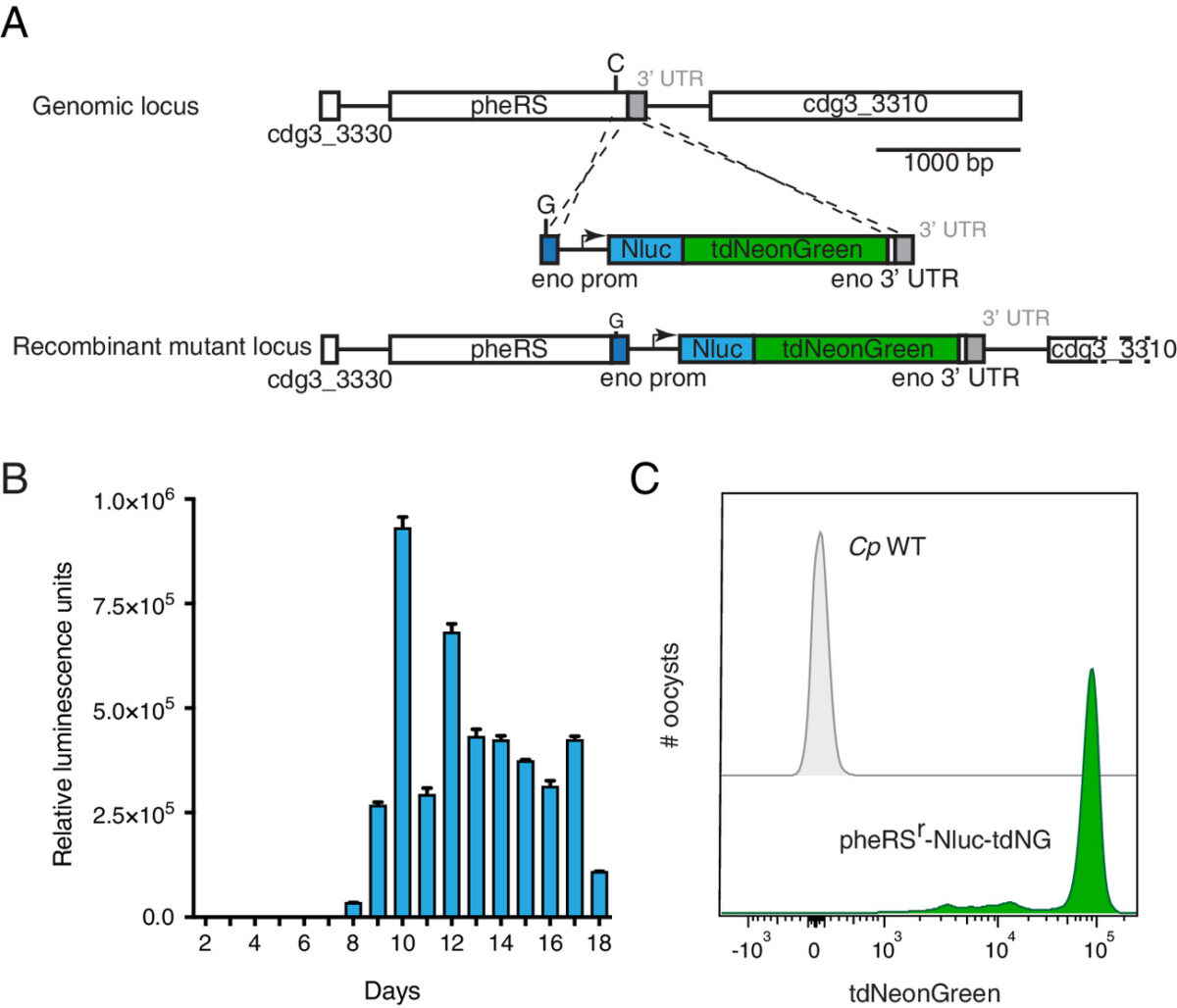
Figure 1 PheRS can be used as a selection marker for stable transgenesis.
PheRS can be used as a selection marker for stable transgenesis.

Parasites and their hosts are engaged in reciprocal coevolution that balances competing mechanisms of virulence, resistance, and evasion. This often leads to host specificity, but genomic reassortment between different strains can enable parasites to jump host barriers and conquer new niches. In the apicomplexan parasite Cryptosporidium, genetic exchange has been hypothesized to play a prominent role in adaptation to humans. The sexual lifecycle of the parasite provides a potential mechanism for such exchange; however, the boundaries of Cryptosporidium sex are currently undefined. To explore this experimentally, we established a model for genetic crosses. Drug resistance was engineered using a mutated phenylalanyl tRNA synthetase gene and marking strains with this and the previously used Neo transgene enabled selection of recombinant progeny. This is highly efficient, and genomic recombination is evident and can be continuously monitored in real time by drug resistance, flow cytometry, and PCR mapping. Using this approach, multiple loci can now be modified with ease. We demonstrate that essential genes can be ablated by crossing a Cre recombinase driver strain with floxed strains. We further find that genetic crosses are also feasible between species. Crossing Cryptosporidium parvum, a parasite of cattle and humans, and Cryptosporidium tyzzeri a mouse parasite resulted in progeny with a recombinant genome derived from both species that continues to vigorously replicate sexually. These experiments have important fundamental and translational implications for the evolution of Cryptosporidium and open the door to reverse- and forward-genetic analysis of parasite biology and host specificity.

Sebastian Shaw, Ian S Cohn, Rodrigo P Baptista, Guoqin Xia, Bruno Melillo, Fiifi Agyabeng-Dadzie, Jessica C Kissinger, Boris Striepen. Proc Natl Acad Sci USA. 2024 Jan 2;121(1):e2313210120. doi: 10.1073/pnas.2313210120.

Small and intermediate size structural RNAs in the unicellular parasite Cryptosporidium parvum as revealed by sRNA-seq and comparative genomics

Small and intermediate-size noncoding RNAs (sRNAs and is-ncRNAs) have been shown to play important regulatory roles in the development of several eukaryotic organisms. However, they have not been thoroughly explored in Cryptosporidium parvum, an obligate zoonotic protist parasite responsible for the diarrhoeal disease cryptosporidiosis. Using Illumina sequencing of a small RNA library, a systematic identification of novel small and is-ncRNAs was performed in C. parvum excysted sporozoites. A total of 79 novel is-ncRNA candidates, including antisense, intergenic and intronic is-ncRNAs, were identified, including 7 new small nucleolar RNAs (snoRNAs). Expression of select novel is-ncRNAs was confirmed by RT-PCR. Phylogenetic conservation was analysed using covariance models (CMs) in related Cryptosporidium and apicomplexan parasite genome sequences. A potential new type of small ncRNA derived from tRNA fragments was observed. Overall, a deep profiling analysis of novel is-ncRNAs in C. parvum and related species revealed structural features and conservation of these novel is-ncRNAs. Covariance models can be used to detect is-ncRNA genes in other closely related parasites. These findings provide important new sequences for additional functional characterization of novel is-ncRNAs in the protist pathogen C. parvum.

Yiran Li, Rodrigo P Baptista, Xiaohan Mei, Jessica C Kissinger. Microb Genom. 2022 May;8(5). doi: 10.1099/mgen.0.000821