Generic selectors
Exact matches only
Search in title
Search in content
Post Type Selectors

Category: publications

Discovery of Anti-Amoebic Inhibitors from Screening the MMV Pandemic Response Box on Balamuthia mandrillaris, Naegleria fowleri, and Acanthamoeba castellanii
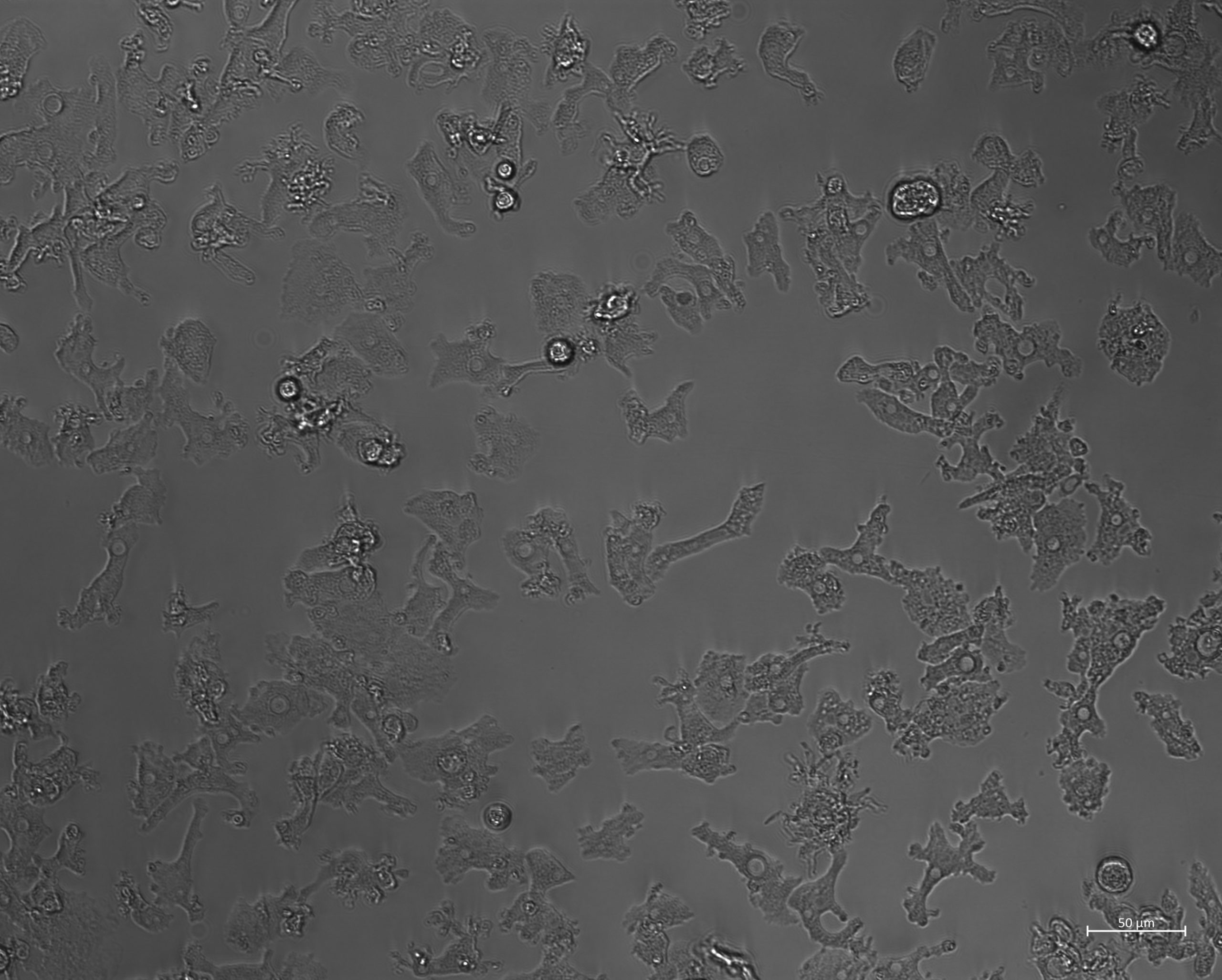
Pathogenic free-living amoebae, Balamuthia mandrillaris, Naegleria fowleri, and several Acanthamoeba species are the etiological agents of severe brain diseases, with case mortality rates > 90%. A number of constraints including misdiagnosis and partially effective treatments lead to these high fatality rates. The unmet medical need is for rapidly acting, highly potent new drugs to reduce these alarming mortality rates. …
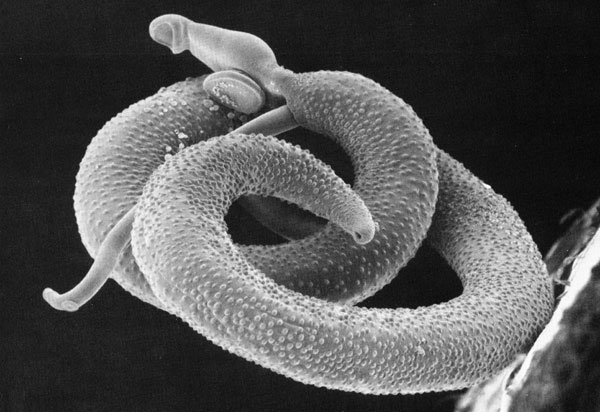

Evaluation of Morbidity in Schistosoma Mansoni-Positive Primary and Secondary School Children After Four Years of Mass Drug Administration of Praziquantel in Western Kenya

Background: World Health Organization guidelines recommend preventive chemotherapy with praziquantel to control morbidity due to schistosomiasis. The primary aim of this cross-sectional study was to determine if 4 years of annual mass drug administration (MDA) in primary and secondary schools lowered potential markers of morbidity in infected children 1 year after the final MDA compared to …

Potent Tetrahydroquinolone Eliminates Apicomplexan Parasites

Apicomplexan infections cause substantial morbidity and mortality, worldwide. New, improved therapies are needed. Herein, we create a next generation anti-apicomplexan lead compound, JAG21, a tetrahydroquinolone, with increased sp3-character to improve parasite selectivity. Relative to other cytochrome b inhibitors, JAG21 has improved solubility and ADMET properties, without need for pro-drug. JAG21 significantly reduces Toxoplasma gondii tachyzoites and encysted bradyzoites in vitro, …

Plastid Biogenesis in Malaria Parasites Requires the Interactions and Catalytic Activity of the Clp Proteolytic System

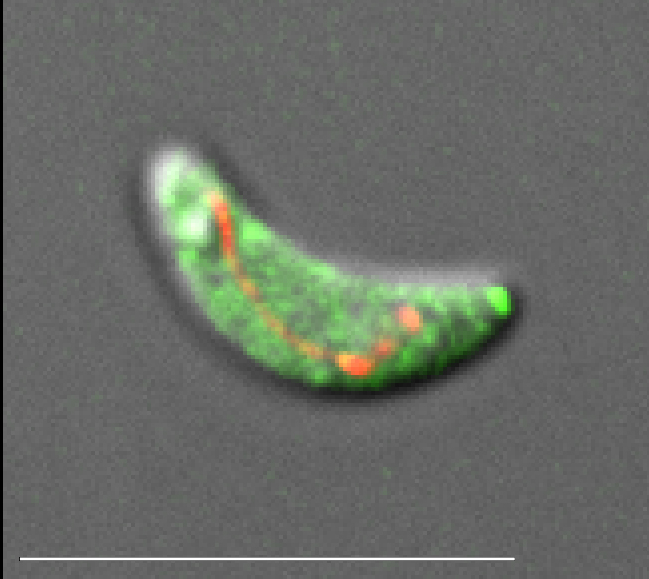
The human malaria parasite, Plasmodium falciparum, contains an essential plastid called the apicoplast. Most apicoplast proteins are encoded by the nuclear genome and it is unclear how the plastid proteome is regulated. Here, we study an apicoplast-localized caseinolytic-protease (Clp) system and how it regulates organelle proteostasis. Using null and conditional mutants, we demonstrate that the P. falciparum Clp …

Limonoids From Cipadessa baccifera

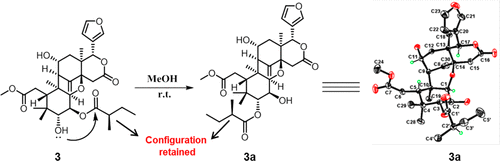
Eighteen new limonoids, including eight methyl angolensates (1-8) and 10 cipadesins (9-18), were isolated from the leaves of Cipadessa baccifera. Their structures were characterized by means of spectroscopic data analyses, single-crystal X-ray diffraction, and quantum chemistry computational methods. The C-6 configurations in those compounds possessing a C-6 hydroxy group were all assigned as S regardless of the magnitude …

Using Population Genetics to Examine Relationships of Dirofilaria Immitis Based on Both Macrocyclic Lactone-Resistance Status and Geography

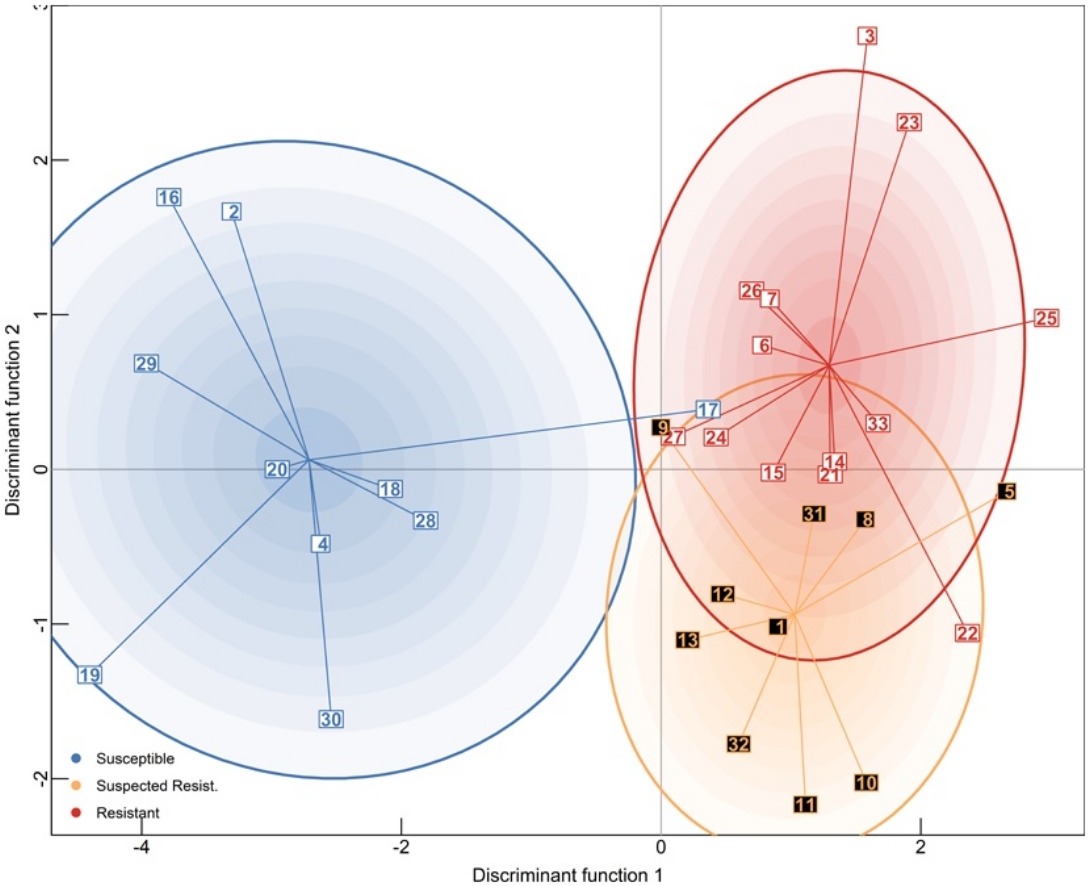
Prevention of infection with canine heartworm (Dirofilaria immitis) is based on the compliant administration of macrocyclic lactone (ML) drugs. Resistance to ML drugs is well documented in D. immitis; however, there remains a paucity of information on the spatial distribution and prevalence of resistant isolates. This project aims to improve understanding of ML-resistance by using a …

Combination of Serological, Antigen Detection, and DNA Data for Plasmodium Falciparum Provides Robust Geospatial Estimates for Malaria Transmission in Haiti

Microscopy is the gold standard for malaria epidemiology, but laboratory and point-of-care (POC) tests detecting parasite antigen, DNA, and human antibodies against malaria have expanded this capacity. The island nation of Haiti is endemic for Plasmodium falciparum (Pf) malaria, though at a low national prevalence and heterogenous geospatial distribution. In 2015 and 2016, serosurveys were …

Nationwide Remapping of Schistosoma mansoni Infection in Rwanda Using Circulating Cathodic Antigen Rapid Test: Taking Steps Toward Elimination

Eugene Ruberanziza, Udo Wittmann, Aimable Mbituyumuremyi, Alphonse Mutabazi, Carl H. Campbell Jr, Daniel G. Colley, Fiona M. Fleming, Giuseppina Ortu, Govert J. van Dam, Irenee Umulisa, Jamie Tallant, Michee Kabera, Muhammed Semakula, Paul L. A. M. Corstjens, Tharcisse Munyaneza, Warren Lancaster, Jean Bosco Mbonigaba and Michelle N. Clements. Am J Trop Med Hyg. 2020 May 18. doi: 10.4269/ajtmh.19-0866.

A terminal α3-galactose modification regulates an E3 ubiquitin ligase subunit in Toxoplasma gondii

Skp1, a subunit of E3 Skp1/Cullin-1/F-box protein ubiquitin ligases, is modified by a prolyl hydroxylase that mediates O2-regulation of the social amoeba Dictyostelium and the parasite Toxoplasma gondii. The full effect of hydroxylation requires modification of the hydroxyproline by a pentasaccharide that, in Dictyostelium, influences Skp1 structure to favor assembly of Skp1/F-box protein subcomplexes. In Toxoplasma, the presence of a contrasting …

Antimalarial Diterpenoids From Vitex Rotundifolia: Isolation, Structure Elucidation, and in Vitro Antiplasmodial Activity

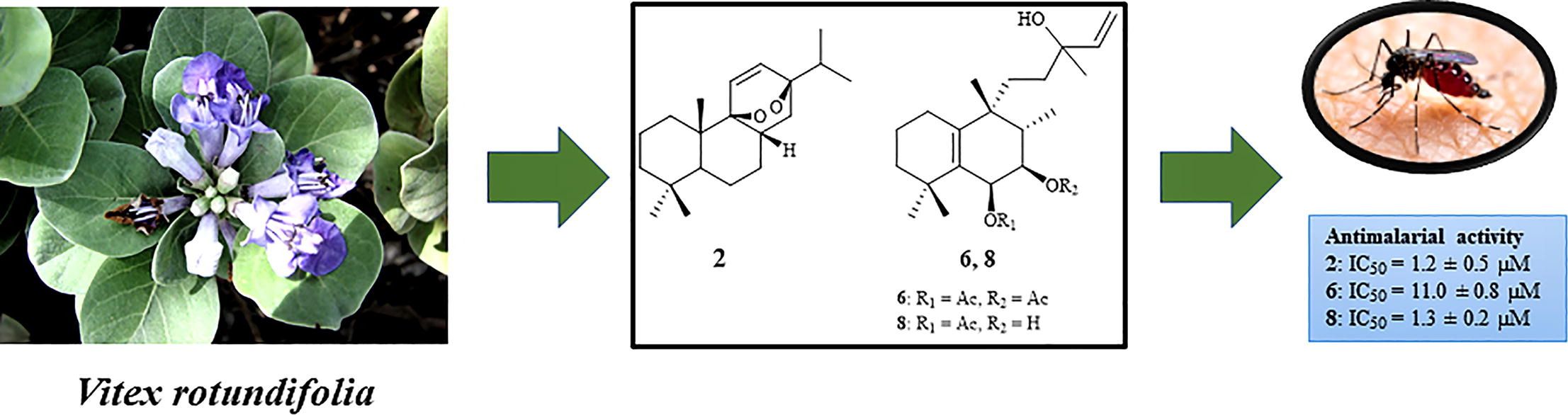
Vitex rotundifolia is an important medicinal plant frequently employed in traditional medicines for the treatment of various ailments. Although this plant species has been under exploration for its constituents by various research groups including our own group, no reports were found regarding the antimalarial potential of this plant or of its purified phytochemicals. Phytochemical investigation …