Generic selectors
Exact matches only
Search in title
Search in content
Post Type Selectors

Author: Donna Huber

Polymorphic Molecular Signatures in Variable Regions of the Plasmodium falciparum var2csa DBL3x Domain Are Associated with Virulence in Placental Malaria

The Plasmodium falciparum protein VAR2CSA allows infected erythrocytes to accumulate within the placenta, inducing pathology and poor birth outcomes. Multiple exposures to placental malaria (PM) induce partial immunity against VAR2CSA, making it a promising vaccine candidate. However, the extent to which VAR2CSA genetic diversity contributes to immune evasion and virulence remains poorly understood. The deep sequencing of …
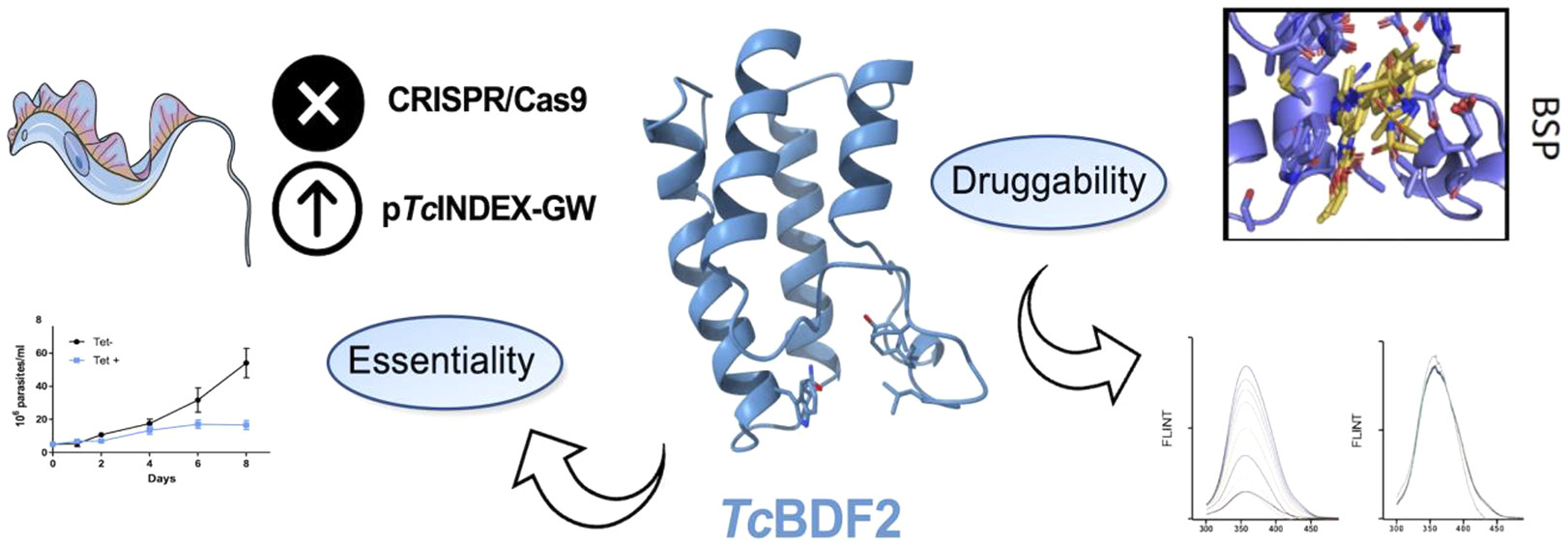
Essential Bromodomain Tc BDF2 as a Drug Target against Chagas Disease

Trypanosoma cruzi is a unicellular parasite that causes Chagas disease, which is endemic in the American continent but also worldwide, distributed by migratory movements. A striking feature of trypanosomatids is the polycistronic transcription associated with post-transcriptional mechanisms that regulate the levels of translatable mRNA. In this context, epigenetic regulatory mechanisms have been revealed to be of …

Alkyne modified purines for assessment of activation of Plasmodium vivax hypnozoites and growth of pre-erythrocytic and erythrocytic stages in Plasmodium spp

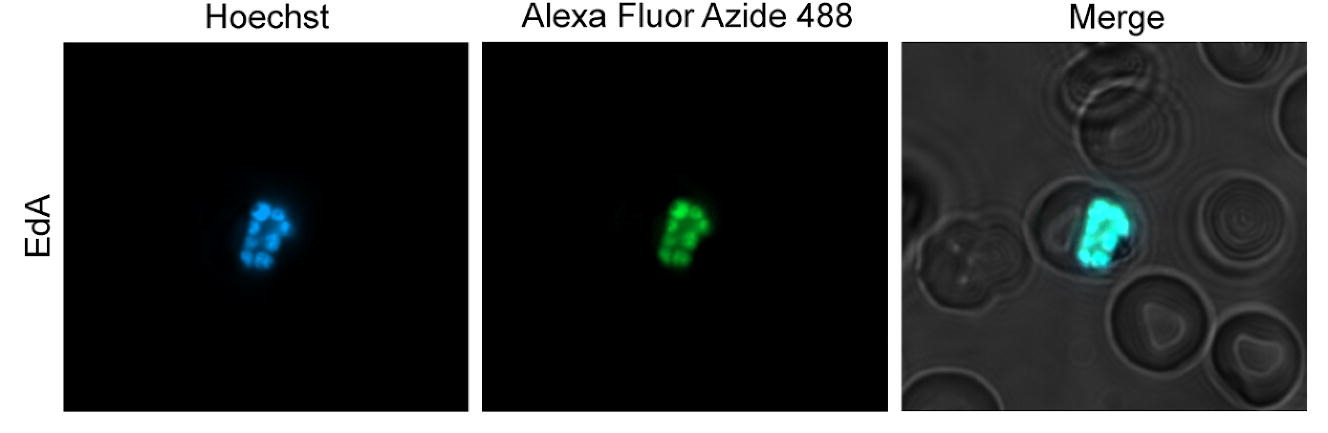
Malaria is a major global health problem which predominantly afflicts developing countries. Although many antimalarial therapies are currently available, the protozoan parasite causing this disease, Plasmodium spp., continues to evade eradication efforts. One biological phenomenon hampering eradication efforts is the parasite's ability to arrest development, transform into a drug-insensitive form, and then resume growth post-therapy. …

Ad libitum consumption of protein- or peptide-sucrose solutions stimulates egg formation by prolonging the vitellogenic phase of oogenesis in anautogenous mosquitoes

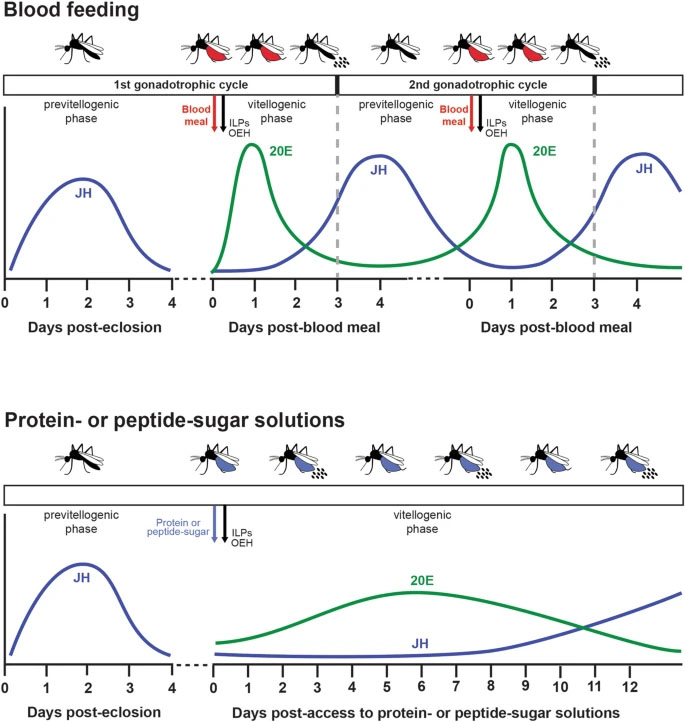
Background: Anautogenous mosquitoes commonly consume nectars and other solutions containing sugar but are thought to only produce eggs in discrete gonadotrophic cycles after blood-feeding on a vertebrate host. However, some anautogenous species are known to produce eggs if amino acids in the form of protein are added to a sugar solution. Unclear is how different sources …

Polychlorinated cyclopentenes from a marine derived Periconia sp. (strain G1144)

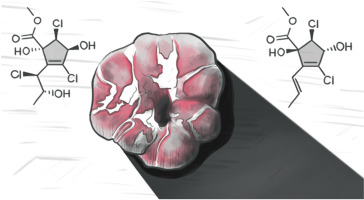
Studies on an organic extract of a marine fungus, Periconia sp. (strain G1144), led to the isolation of three halogenated cyclopentenes along with the known and recently reported rhytidhyester D; a series of spectrometric and spectroscopic techniques were used to elucidate these structures. Interestingly, two of these compounds represent tri-halogenated cyclopentene derivatives, which have been …

Creating databases to help cure diseases worldwide

by Jill Neimark Jessica Kissinger poses for a photo in the Infectious Diseases Institute in Uganda where she is currently a US Fullbright Scholar. (Photo/Courtesy Jessica Kissinger) Jessica Kissinger is using her expertise in biology and big data to help other scientists   Jessica Kissinger never set out to make databases. From the time she was …

Anopheles gambiae strain (Ag55) cultured cells originated from Anopheles coluzzii and are phagocytic with hemocyte-like gene expression

Anopheles gambiae and Anopheles coluzzii are closely related species that are predominant vectors of malaria in Africa. Recently, A. gambiae form M was renamed A. coluzzii and we now conclude on the basis of a diagnostic PCR-restriction fragment length polymorphism assay that Ag55 cells were derived from A. coluzzii. We established an Ag55 cell transcriptome, …

Metabolic, Pharmacokinetic, and Activity Profile of the Liver Stage Antimalarial (RC-12)

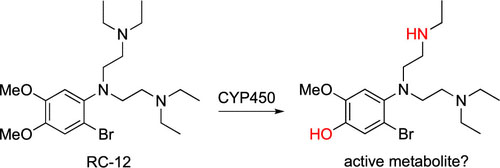
The catechol derivative RC-12 (WR 27653) (1) is one of the few non-8-aminoquinolines with good activity against hypnozoites in the gold-standard Plasmodium cynomolgi-rhesus monkey (Macaca mulatta) model, but in a small clinical trial, it had no efficacy against Plasmodium vivax hypnozoites. In an attempt to better understand the pharmacokinetic and pharmacodynamic profile of 1 and to identify potential active metabolites, …

Parasite Powerhouse: a Review of the Toxoplasma gondii Mitochondrion

Toxoplasma gondii is a member of the apicomplexan phylum, a group of single-celled eukaryotic parasites that cause significant human morbidity and mortality around the world. T. gondii harbors two organelles of endosymbiotic origin: a non-photosynthetic plastid, known as the apicoplast, and a single mitochondrion derived from the ancient engulfment of an α-proteobacterium. Due to excitement …