UGA’s Samarchith “Sam” Kurup, assistant professor of cellular biology, has been awarded a five-year National Institutes of Health grant to study the natural immune response to the Plasmodium parasite—which causes malaria—in liver cells. (photo credit: Lauren Corcino) Samarchith “Sam” Kurup grew up in India, and he’s always been aware of the impact of malaria. In …
Single-cell RNA profiling of Plasmodium vivax-infected hepatocytes reveals parasite- and host- specific transcriptomic signatures and therapeutic targets
The resilience of Plasmodium vivax, the most widely-distributed malaria-causing parasite in humans, is attributed to its ability to produce dormant liver forms known as hypnozoites, which can activate weeks, months, or even years after an initial mosquito bite. The factors underlying hypnozoite formation and activation are poorly understood, as is the parasite's influence on the host …
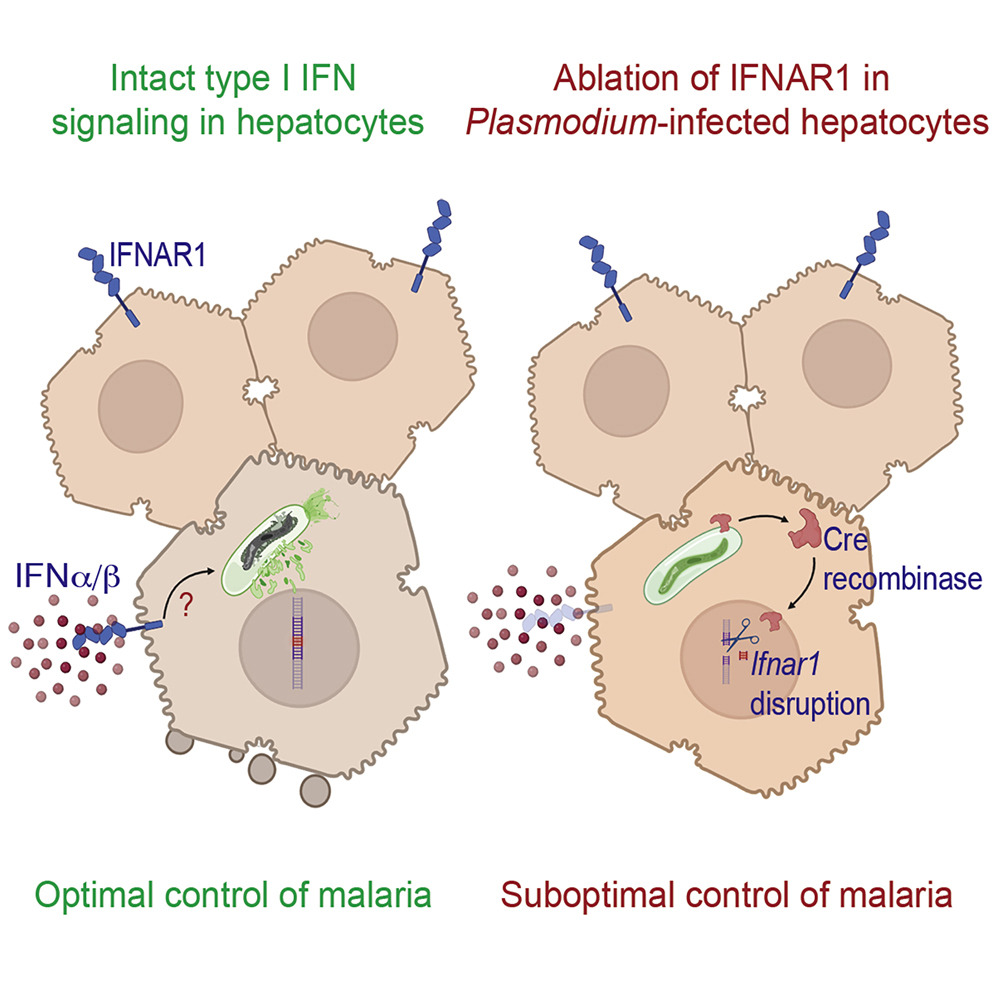
Direct type I interferon signaling in hepatocytes controls malaria
Malaria is a devastating disease impacting over half of the world's population. Plasmodium parasites that cause malaria undergo obligatory development and replication in hepatocytes before infecting red blood cells and initiating clinical disease. While type I interferons (IFNs) are known to facilitate innate immune control to Plasmodium in the liver, how they do so has …
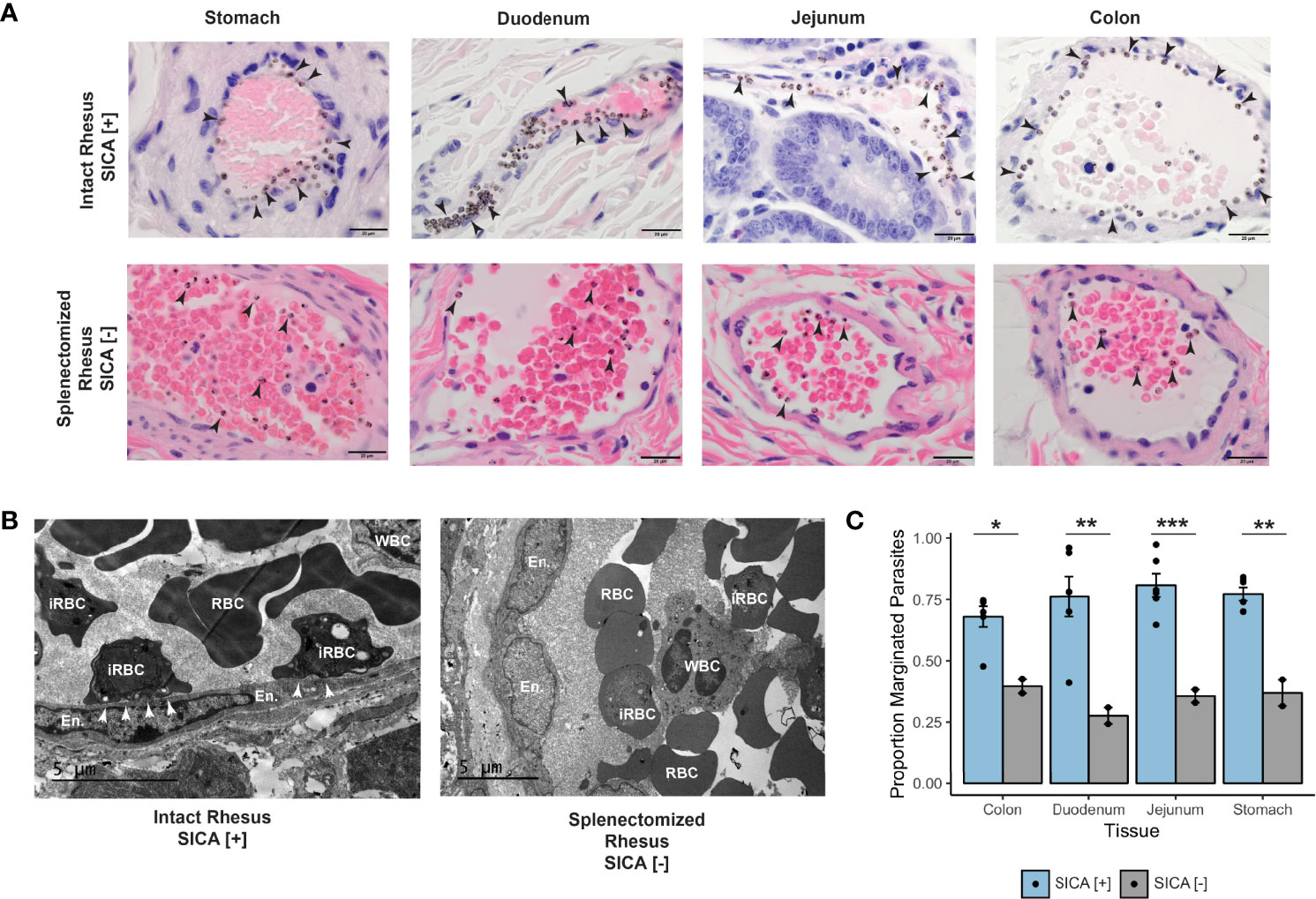
Plasmodium knowlesi Cytoadhesion Involves SICA Variant Proteins
Plasmodium knowlesi poses a health threat throughout Southeast Asian communities and currently causes most cases of malaria in Malaysia. This zoonotic parasite species has been studied in Macaca mulatta (rhesus monkeys) as a model for severe malarial infections, chronicity, and antigenic variation. The phenomenon of Plasmodium antigenic variation was first recognized during rhesus monkey infections. Plasmodium-encoded variant proteins were first discovered …
Improving in vitro continuous cultivation of Plasmodium cynomolgi, a model for P. vivax
The absence of a routine continuous in vitro cultivation method for Plasmodium vivax, an important globally distributed parasite species causing malaria in humans, has restricted investigations to field and clinical sampling. Such a method has recently been developed for the Berok strain of P. cynomolgi, a parasite of macaques that has long been used as …
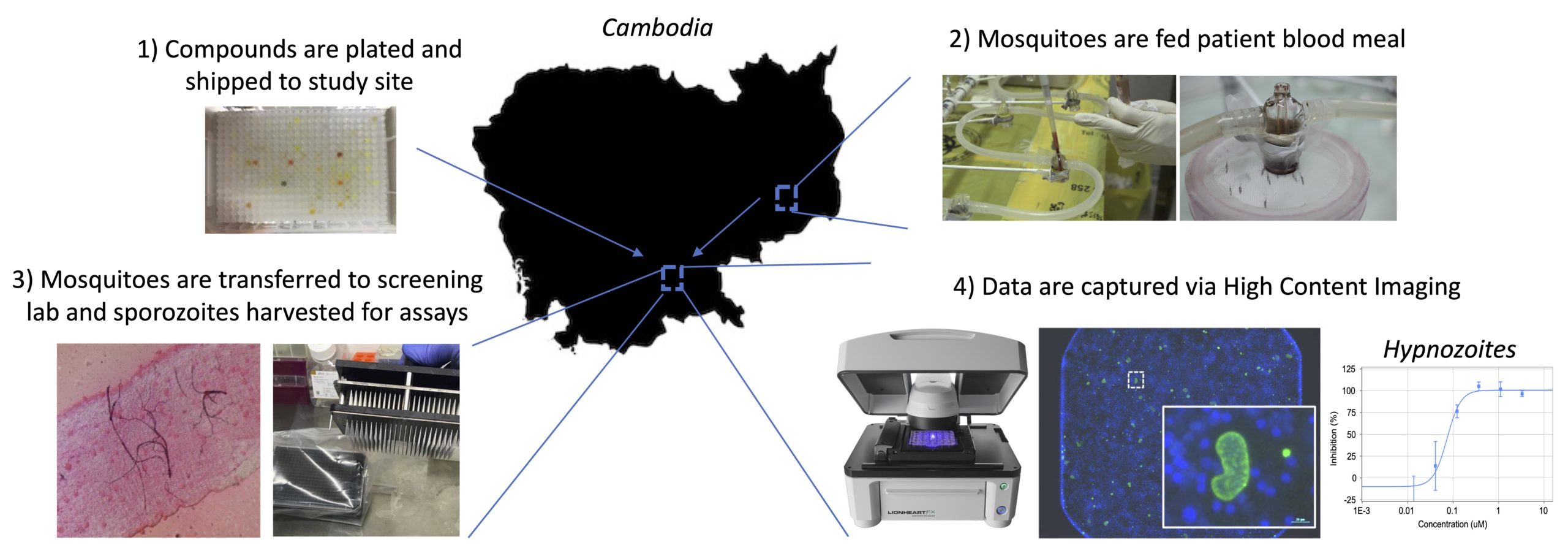
A Phenotypic Screen for the Liver Stages of Plasmodium vivax
Control of malaria caused by Plasmodium vivax can be improved by the discovery and development of novel drugs against the parasite's liver stage, which includes relapse-causing hypnozoites. Several recent reports describe breakthroughs in the culture of the P. vivax liver stage in 384-well microtiter plates, with the goal of enabling a hypnozoite-focused drug screen. Herein …
Diagnostic Characteristics of Lactate Dehydrogenase on a Multiplex Assay for Malaria Detection Including the Zoonotic Parasite Plasmodium knowlesi
Plasmodium lactate dehydrogenase (pLDH) is a common target in malaria rapid diagnostic tests (RDTs). These commercial antibody capture assays target either Plasmodium falciparum-specific pLDH (PfLDH), P. vivax-specific pLDH (PvLDH), or a conserved epitope in all human malaria pLDH (PanLDH). However, there are no assays specifically targeting P. ovale, P. malariae or zoonotic parasites such as …
Probing the distinct chemosensitivity of Plasmodium vivax liver stage parasites and demonstration of 8-aminoquinoline radical cure activity in vitro
Improved control of Plasmodium vivax malaria can be achieved with the discovery of new antimalarials with radical cure efficacy, including prevention of relapse caused by hypnozoites residing in the liver of patients. We screened several compound libraries against P. vivax liver stages, including 1565 compounds against mature hypnozoites, resulting in one drug-like and several probe-like …
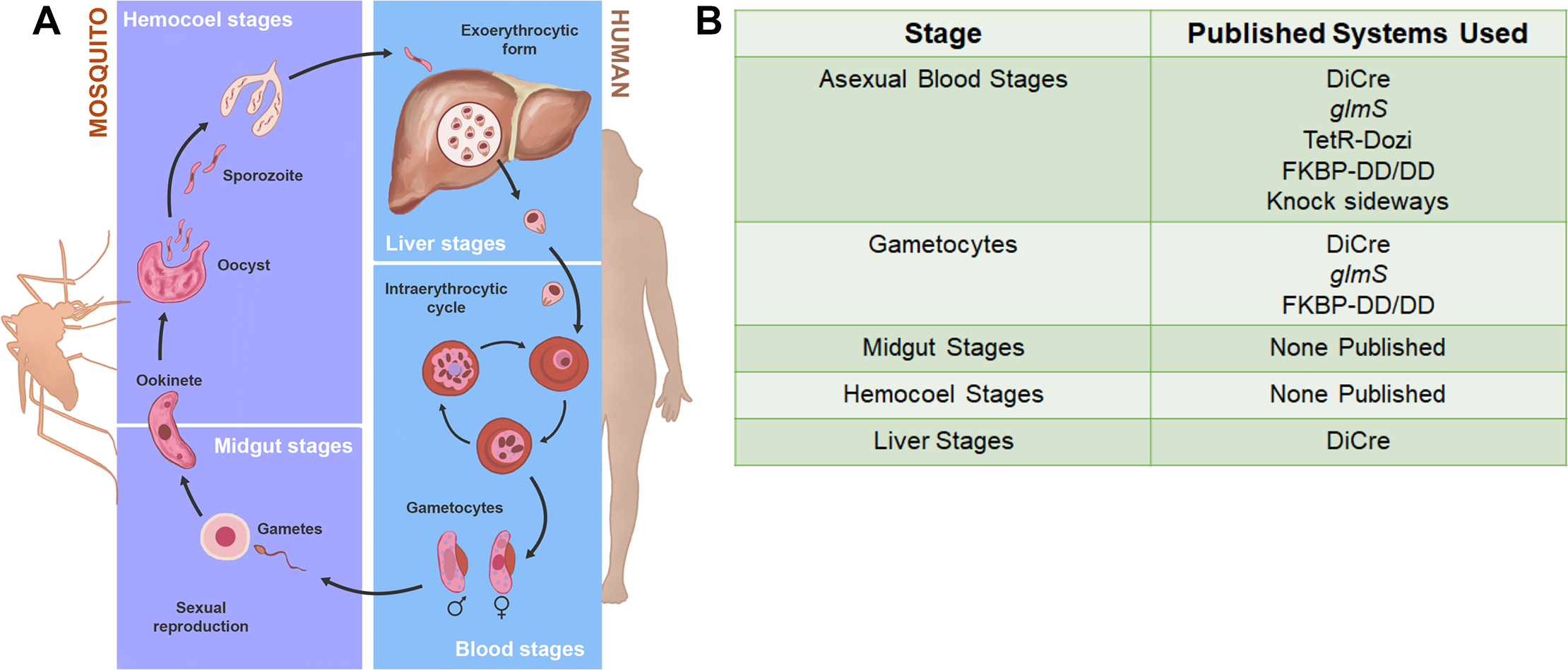
Some conditions apply: Systems for studying Plasmodium falciparum protein function
Fig 1. Conditional protein knockdown used throughout the Plasmodium falciparum life cycle. Malaria, caused by infection with Plasmodium parasites, remains a significant global health concern. For decades, genetic intractability and limited tools hindered our ability to study essential proteins and pathways in Plasmodium falciparum, the parasite associated with the most severe malaria cases. However, recent …
A redox-active crosslinker reveals an essential and inhibitable oxidative folding network in the endoplasmic reticulum of malaria parasites
Malaria remains a major global health problem, creating a constant need for research to identify druggable weaknesses in P. falciparum biology. As important components of cellular redox biology, members of the Thioredoxin (Trx) superfamily of proteins have received interest as potential drug targets in Apicomplexans. However, the function and essentiality of endoplasmic reticulum (ER)-localized Trx-domain …