Generic selectors
Exact matches only
Search in title
Search in content
Post Type Selectors

Tag: Plasmodium

Plasmodium knowlesi Cytoadhesion Involves SICA Variant Proteins
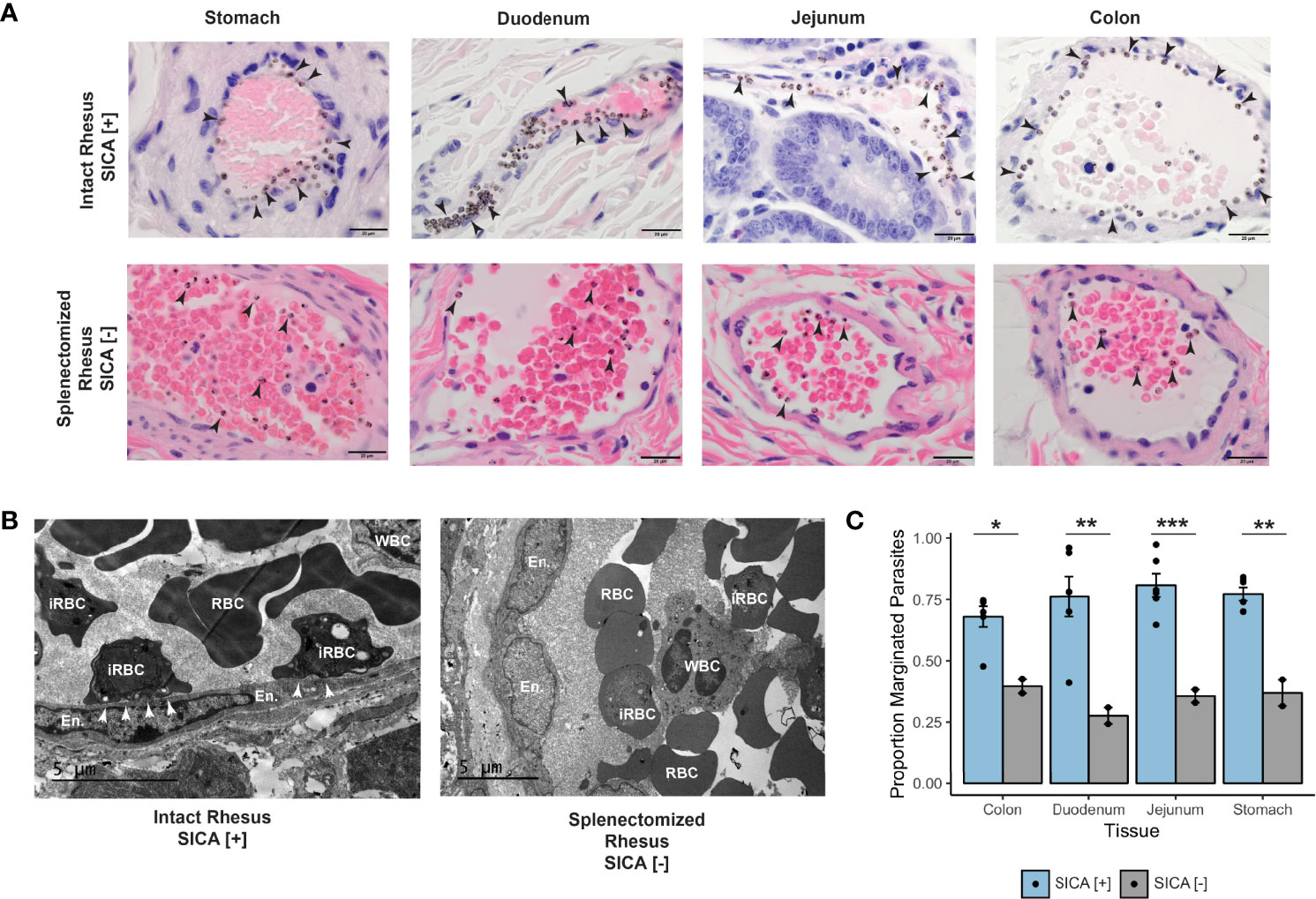
Plasmodium knowlesi poses a health threat throughout Southeast Asian communities and currently causes most cases of malaria in Malaysia. This zoonotic parasite species has been studied in Macaca mulatta (rhesus monkeys) as a model for severe malarial infections, chronicity, and antigenic variation. The phenomenon of Plasmodium antigenic variation was first recognized during rhesus monkey infections. Plasmodium-encoded variant proteins were first discovered …

A Phenotypic Screen for the Liver Stages of Plasmodium vivax

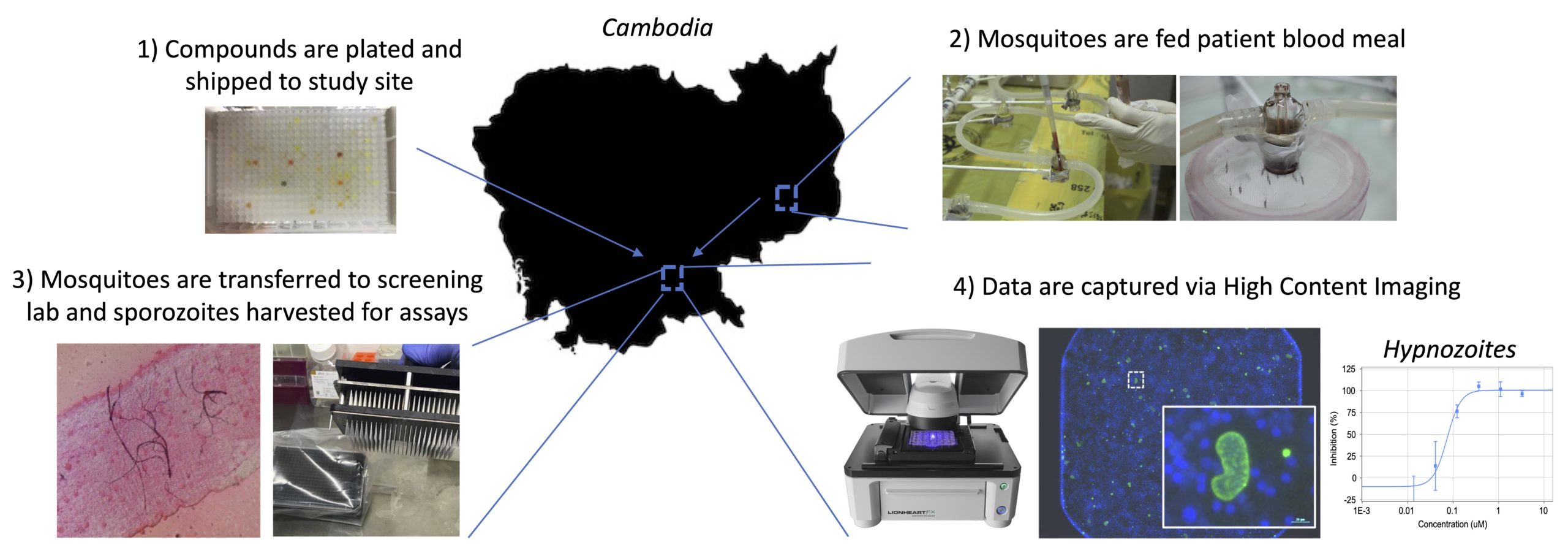
Control of malaria caused by Plasmodium vivax can be improved by the discovery and development of novel drugs against the parasite's liver stage, which includes relapse-causing hypnozoites. Several recent reports describe breakthroughs in the culture of the P. vivax liver stage in 384-well microtiter plates, with the goal of enabling a hypnozoite-focused drug screen. Herein …

Diagnostic Characteristics of Lactate Dehydrogenase on a Multiplex Assay for Malaria Detection Including the Zoonotic Parasite Plasmodium knowlesi

Plasmodium lactate dehydrogenase (pLDH) is a common target in malaria rapid diagnostic tests (RDTs). These commercial antibody capture assays target either Plasmodium falciparum-specific pLDH (PfLDH), P. vivax-specific pLDH (PvLDH), or a conserved epitope in all human malaria pLDH (PanLDH). However, there are no assays specifically targeting P. ovale, P. malariae or zoonotic parasites such as …

Probing the distinct chemosensitivity of Plasmodium vivax liver stage parasites and demonstration of 8-aminoquinoline radical cure activity in vitro

Improved control of Plasmodium vivax malaria can be achieved with the discovery of new antimalarials with radical cure efficacy, including prevention of relapse caused by hypnozoites residing in the liver of patients. We screened several compound libraries against P. vivax liver stages, including 1565 compounds against mature hypnozoites, resulting in one drug-like and several probe-like …

Some conditions apply: Systems for studying Plasmodium falciparum protein function

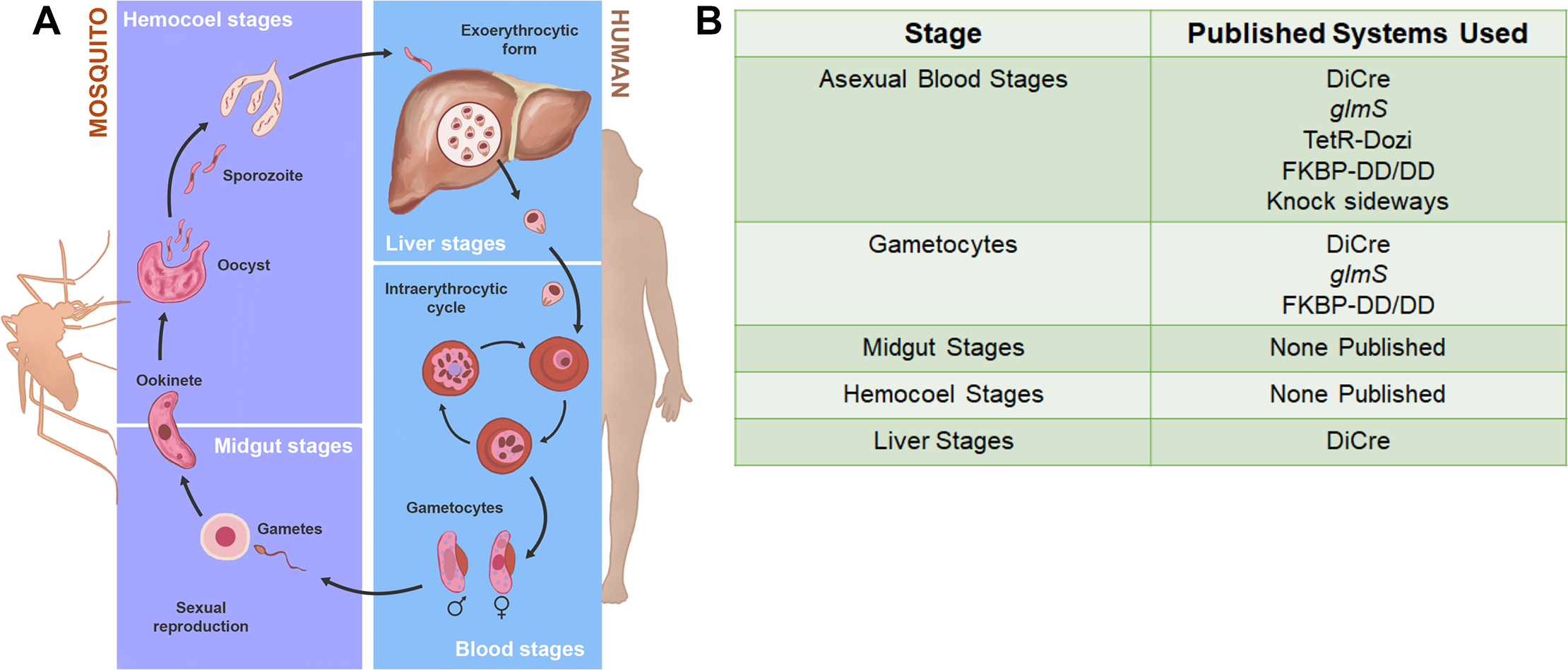
Fig 1. Conditional protein knockdown used throughout the Plasmodium falciparum life cycle. Malaria, caused by infection with Plasmodium parasites, remains a significant global health concern. For decades, genetic intractability and limited tools hindered our ability to study essential proteins and pathways in Plasmodium falciparum, the parasite associated with the most severe malaria cases. However, recent …

A redox-active crosslinker reveals an essential and inhibitable oxidative folding network in the endoplasmic reticulum of malaria parasites

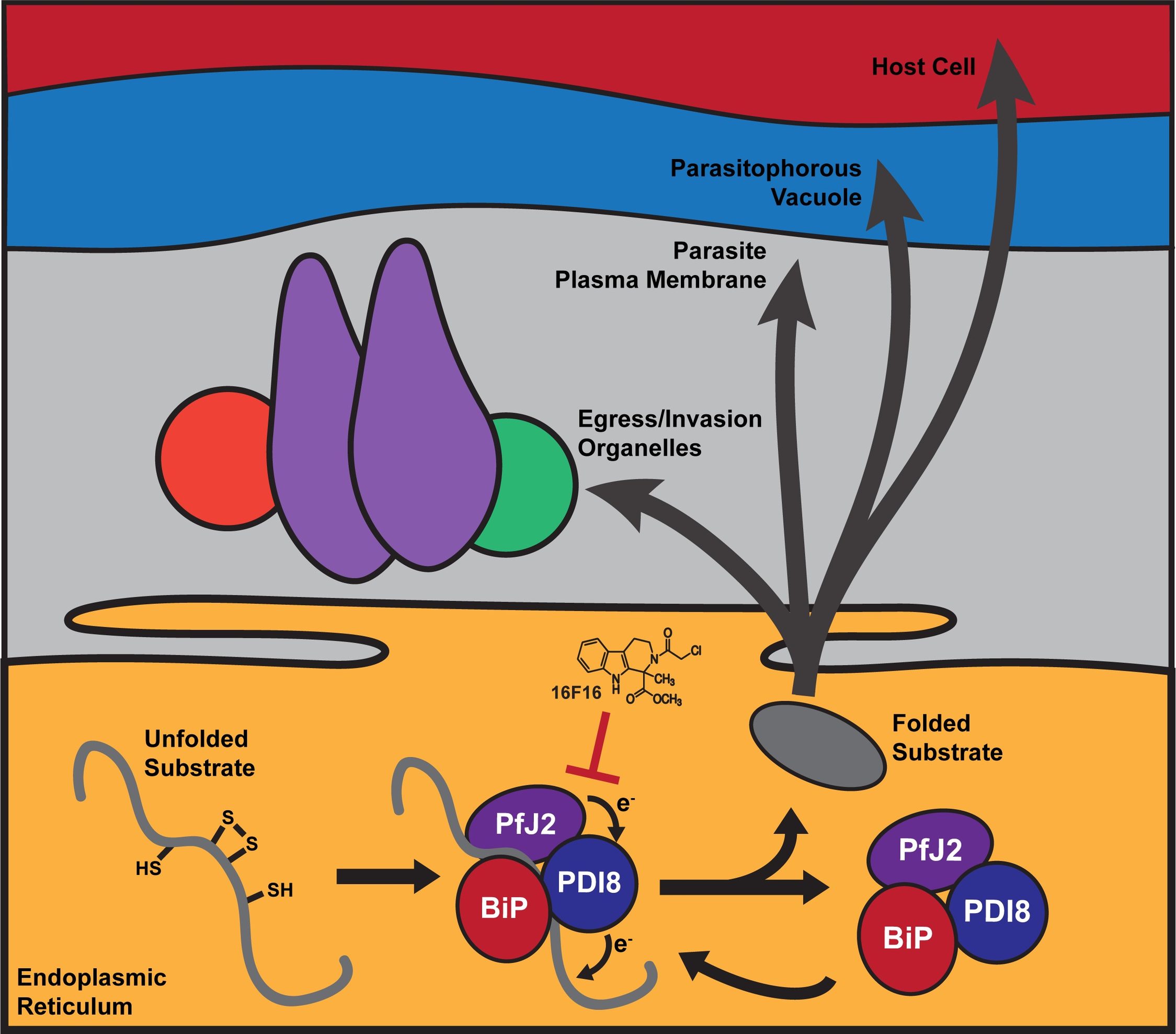
Malaria remains a major global health problem, creating a constant need for research to identify druggable weaknesses in P. falciparum biology. As important components of cellular redox biology, members of the Thioredoxin (Trx) superfamily of proteins have received interest as potential drug targets in Apicomplexans. However, the function and essentiality of endoplasmic reticulum (ER)-localized Trx-domain …

Protozoan persister-like cells and drug treatment failure

Antimicrobial treatment failure threatens our ability to control infections. In addition to antimicrobial resistance, treatment failures are increasingly understood to derive from cells that survive drug treatment without selection of genetically heritable mutations. Parasitic protozoa, such as Plasmodium species that cause malaria, Toxoplasma gondii and kinetoplastid protozoa, including Trypanosoma cruzi and Leishmaniaspp., cause millions of deaths globally. These organisms can evolve drug …