Generic selectors
Exact matches only
Search in title
Search in content
Post Type Selectors

Author: Donna Huber

Antimalarial Natural Products

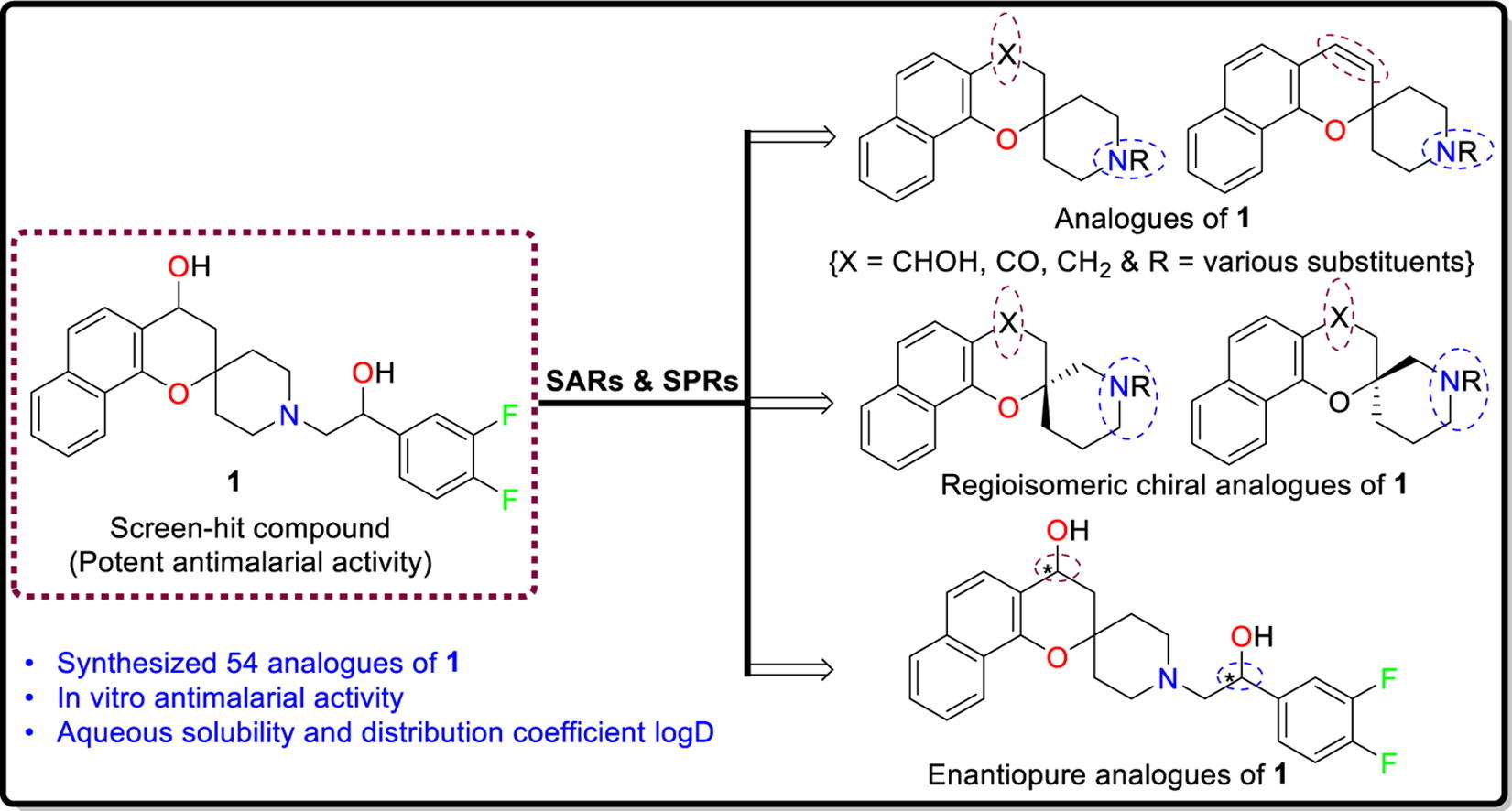
Natural products have made a crucial and unique contribution to human health, and this is especially true in the case of malaria, where the natural products quinine and artemisinin and their derivatives and analogues, have saved millions of lives. The need for new drugs to treat malaria is still urgent, since the most dangerous malaria parasite, Plasmodium falciparum, has become resistant to quinine and most of its derivatives and is becoming resistant to artemisinin and its derivatives. This volume begins with a short history of malaria and follows this with a summary of its biology. It then traces the fascinating history of the discovery of quinine for malaria treatment and then describes quinine’s biosynthesis, its mechanism of action, and its clinical use, concluding with a discussion of synthetic antimalarial agents based on quinine’s structure. The volume then covers the discovery of artemisinin and its development as the source of the most effective current antimalarial drug, including summaries of its synthesis and biosynthesis, its mechanism of action, and its clinical use and resistance. A short discussion of other clinically used antimalarial natural products leads to a detailed treatment of other natural products with significant antiplasmodial activity, classified by compound type. Although the search for new antimalarial natural products from Nature’s combinatorial library is challenging, it is very likely to yield new antimalarial drugs. The chapter thus ends by identifying over ten natural products with development potential as clinical antimalarial agents.

Kingston D.G.I., Cassera M.B. (2022) Antimalarial Natural Products. In: Kinghorn A.D., Falk H., Gibbons S., Asakawa Y., Liu JK., Dirsch V.M. (eds) Antimalarial Natural Products. Progress in the Chemistry of Organic Natural Products, vol 117. Springer, Cham. https://doi.org/10.1007/978-3-030-89873-1_1

Clinical recovery of Macaca fascicularis infected with Plasmodium knowlesi

Background: Kra monkeys (Macaca fascicularis), a natural host of Plasmodium knowlesi, control parasitaemia caused by this parasite species and escape death without treatment. Knowledge of the disease progression and resilience in kra monkeys will aid the effective use of this species to study mechanisms of resilience to malaria. This longitudinal study aimed to define clinical, physiological and pathological changes in kra monkeys infected with P. knowlesi, which could explain their resilient phenotype.

Methods: Kra monkeys (n = 15, male, young adults) were infected intravenously with cryopreserved P. knowlesi sporozoites and the resulting parasitaemias were monitored daily. Complete blood counts, reticulocyte counts, blood chemistry and physiological telemetry data (n = 7) were acquired as described prior to infection to establish baseline values and then daily after inoculation for up to 50 days. Bone marrow aspirates, plasma samples, and 22 tissue samples were collected at specific time points to evaluate longitudinal clinical, physiological and pathological effects of P. knowlesi infections during acute and chronic infections.

Results: As expected, the kra monkeys controlled acute infections and remained with low-level, persistent parasitaemias without anti-malarial intervention. Unexpectedly, early in the infection, fevers developed, which ultimately returned to baseline, as well as mild to moderate thrombocytopenia, and moderate to severe anaemia. Mathematical modelling and the reticulocyte production index indicated that the anaemia was largely due to the removal of uninfected erythrocytes and not impaired production of erythrocytes. Mild tissue damage was observed, and tissue parasite load was associated with tissue damage even though parasite accumulation in the tissues was generally low.

Conclusions: Kra monkeys experimentally infected with P. knowlesi sporozoites presented with multiple clinical signs of malaria that varied in severity among individuals. Overall, the animals shared common mechanisms of resilience characterized by controlling parasitaemia 3-5 days after patency, and controlling fever, coupled with physiological and bone marrow responses to compensate for anaemia. Together, these responses likely minimized tissue damage while supporting the establishment of chronic infections, which may be important for transmission in natural endemic settings. These results provide new foundational insights into malaria pathogenesis and resilience in kra monkeys, which may improve understanding of human infections.

Mariko S Peterson, Chester J Joyner, Jessica A Brady, Jennifer S Wood, Monica Cabrera-Mora, Celia L Saney, Luis L Fonseca, Wayne T Cheng, Jianlin Jiang, Stacey A Lapp, Stephanie R Soderberg, Mustafa V Nural, Jay C Humphrey, Allison Hankus, Deepa Machiah, Ebru Karpuzoglu, Jeremy D DeBarry, MaHPIC-Consortium; Rabindra Tirouvanziam, Jessica C Kissinger, Alberto Moreno, Sanjeev Gumber, Eberhard O Voit, Juan B Gutiérrez, Regina Joice Cordy, Mary R Galinski. Clinical recovery of Macaca fascicularis infected with Plasmodium knowlesiMalar J 20, 486 (2021). https://doi.org/10.1186/s12936-021-03925-6

Generation of human long-lived plasma cells by developmentally regulated epigenetic imprinting

Antibody secreting cells (ASCs) circulate after vaccination and infection and migrate to the BM where a subset known as long-lived plasma cells (LLPCs) persists and secrete antibodies for a lifetime. The mechanisms by which circulating ASCs become LLPCs are not well elucidated. Here, we show that human blood ASCs have distinct morphology, transcriptomes, and epigenetics compared with BM LLPCs. Compared with blood ASCs, BM LLPCs have decreased nucleus/cytoplasm ratio but increased endoplasmic reticulum and numbers of mitochondria. LLPCs up-regulate pro-survival genes MCL1BCL2, and BCL-XL while simultaneously down-regulating pro-apoptotic genes HRK1CASP3, and CASP8 Consistent with reduced gene expression, the pro-apoptotic gene loci are less accessible in LLPCs. Of the pro-survival genes, only BCL2 is concordant in gene up-regulation and loci accessibility. Using a novel in vitro human BM mimetic, we show that blood ASCs undergo similar morphological and molecular changes that resemble ex vivo BM LLPCs. Overall, our study demonstrates that early-minted blood ASCs in the BM microniche must undergo morphological, transcriptional, and epigenetic changes to mature into apoptotic-resistant LLPCs.

Chester J Joyner, Ariel M Ley, Doan C Nguyen, Mohammad Ali, Alessia Corrado, Christopher Tipton, Christopher D Scharer, Tian Mi, Matthew C Woodruff, Jennifer Hom, Jeremy M Boss, Meixue Duan, Greg Gibson, Danielle Roberts, Joel Andrews, Sagar Lonial, Inaki Sanz, F Eun-Hyung Lee. Life Sci Alliance. 2021 Dec 24;5(3):e202101285. doi: 10.26508/lsa.202101285.

Bracoviruses, ichnoviruses, and virus-like particles from parasitoid wasps retain many features of their virus ancestors

Animal genomes commonly contain genes or sequences that have been acquired from different types of viruses. The vast majority of these endogenous virus elements (EVEs) are inactive or consist of only a small number of components that show no evidence of cooption for new functions or interaction. Unlike most EVEs, bracoviruses (BVs), ichnoviruses (IVs) and virus-like particles (VLPs) in parasitoid wasps have evolved through retention and interaction of many genes from virus ancestors. Here, we discuss current understanding of BV, IV and VLP evolution along with associated implications for what constitutes a virus. We suggest that BVs and IVs are domesticated endogenous viruses (DEVs) that differ in several important ways from other known EVEs.

Jean-Michel Drezen, Annie Bézier, Gaelen R Burke, Michael R Strand. Curr Opin Insect Sci. 2021 Dec 22;S2214-5745(21)00132-2. doi: 10.1016/j.cois.2021.12.003.

A Phenotypic Screen for the Liver Stages of Plasmodium vivax

Control of malaria caused by Plasmodium vivax can be improved by the discovery and development of novel drugs against the parasite’s liver stage, which includes relapse-causing hypnozoites. Several recent reports describe breakthroughs in the culture of the P. vivax liver stage in 384-well microtiter plates, with the goal of enabling a hypnozoite-focused drug screen. Herein we describe assay details, protocol developments, and different assay formats to interrogate the chemical sensitivity of the P. vivax liver stage in one such medium-throughput platform. The general assay protocol includes seeding of primary human hepatocytes which are infected with P. vivax sporozoites generated from the feeding of Anopheles dirus mosquitoes on patient isolate bloodmeals. This protocol is unique in that, after source drug plates are supplied, all culture-work steps have been optimized to preclude the need for automated liquid handling, thereby allowing the assay to be performed within resource-limited laboratories in malaria-endemic countries. Throughput is enhanced as complex culture methods, such as extracellular matrix overlays, multiple cell types in co-culture, or hepatic spheroids, are excluded as the workflow consists entirely of routine culture methods for adherent cells. Furthermore, installation of a high-content imager at the study site enables assay data to be read and transmitted with minimal logistical delays. Herein we detail distinct assay improvements which increase data quality, provide a means to limit the confounding effect of hepatic metabolism on assay data, and detect activity of compounds with a slow-clearance phenotype.

Steven P. Maher, Amélie Vantaux, Caitlin A. Cooper, Nathan M. Chasen, Wayne T. Cheng, Chester J. Joyner, Roman Manetsch, Benoît Witkowski, Dennis Kyle. 2021. Bio-Protocol. 11(23): DOI: 10.21769/BioProtoc.4253

Toxoplasma bradyzoites exhibit physiological plasticity of calcium and energy stores controlling motility and egress

Toxoplasma gondii has evolved different developmental stages for disseminating during acute infection (i.e. tachyzoites) and for establishing chronic infection (i.e. bradyzoites). Calcium ion (Ca2+) signaling tightly regulates the lytic cycle of tachyzoites by controlling microneme secretion and motility to drive egress and cell invasion. However, the roles of Ca2+ signaling pathways in bradyzoites remain largely unexplored. Here we show that Ca2+ responses are highly restricted in bradyzoites and that they fail to egress in response to agonists. Development of dual-reporter parasites revealed dampened Ca2+ responses and minimal microneme secretion by bradyzoites induced in vitro or harvested from infected mice and tested ex vivo. Ratiometric Ca2+ imaging demonstrated lower Ca2+ basal levels, reduced magnitude, and slower Ca2+ kinetics in bradyzoites compared with tachyzoites stimulated with agonists. Diminished responses in bradyzoites were associated with down-regulation of Ca2+-ATPases involved in intracellular Ca2+ storage in the endoplasmic reticulum (ER) and acidocalcisomes. Once liberated from cysts by trypsin digestion, bradyzoites incubated in glucose plus Ca2+ rapidly restored their intracellular Ca2+ and ATP stores leading to enhanced gliding. Collectively, our findings indicate that intracellular bradyzoites exhibit dampened Ca2+ signaling and lower energy levels that restrict egress, and yet upon release they rapidly respond to changes in the environment to regain motility.

Yong Fu, Kevin M Brown, Nathaniel G Jones, Silvia Nj Moreno, L David Sibley. Elife. 2021 Dec 3;10:e73011. doi: 10.7554/eLife.73011.

Effect of preventive chemotherapy with praziquantel on schistosomiasis among school-aged children in sub-Saharan Africa: a spatiotemporal modelling study

Background: Over the past 20 years, schistosomiasis control has been scaled up. Preventive chemotherapy with praziquantel is the main intervention. We aimed to assess the effect of preventive chemotherapy on schistosomiasis prevalence in sub-Saharan Africa, comparing 2000-10 with 2011-14 and 2015-19.

Methods: In this spatiotemporal modelling study, we analysed survey data from school-aged children (aged 5-14 years) in 44 countries across sub-Saharan Africa. The data were extracted from the Global Neglected Tropical Diseases database and augmented by 2018 and 2019 survey data obtained from disease control programmes. Bayesian geostatistical models were fitted to Schistosoma haematobium and Schistosoma mansoni survey data. The models included data on climatic predictors obtained from satellites and other open-source environmental databases and socioeconomic predictors obtained from various household surveys. Temporal changes in Schistosoma species prevalence were estimated by a categorical variable with values corresponding to the three time periods (2000-10, 2011-14, and 2015-19) during which preventive chemotherapy interventions were scaled up.

Findings: We identified 781 references with relevant geolocated schistosomiasis survey data for 2000-19. There were 19 166 unique survey locations for S haematobium and 23 861 for S mansoni, of which 77% (14 757 locations for S haematobium and 18 372 locations for S mansoni) corresponded to 2011-19. Schistosomiasis prevalence among school-aged children in sub-Saharan Africa decreased from 23·0% (95% Bayesian credible interval 22·1-24·1) in 2000-10 to 9·6% (9·1-10·2) in 2015-19, an overall reduction of 58·3%. The reduction of S haematobium was 67·9% (64·6-71·1) and that of S mansoni 53·6% (45·2-58·3) when comparing 2000-10 with 2015-19.

Interpretation: Our model-based estimates suggest that schistosomiasis prevalence in sub-Saharan Africa has decreased considerably, most likely explained by the scale-up of preventive chemotherapy. There is a need to consolidate gains in the control of schistosomiasis by means of preventive chemotherapy, coupled with other interventions to interrupt disease transmission.

Funding: European Research Council and WHO.

Christos Kokaliaris, Amadou Garba, Martin Matuska, Rachel N Bronzan, Daniel G Colley, Ameyo M Dorkenoo, Uwem F Ekpo, Fiona M Fleming, Michael D French, Achille Kabore, Jean B Mbonigaba, Nicholas Midzi, Pauline N M Mwinzi, Eliézer K N’Goran, Maria Rebollo Polo, Moussa Sacko, Louis-Albert Tchuem Tchuenté, Edridah M Tukahebwa, Pitchouna A Uvon, Guojing Yang, Lisa Wiesner, Yaobi Zhang, Jürg Utzinger, Penelope Vounatsou. The Lancet Infectious Diseases, 2021, https://doi.org/10.1016/S1473-3099(21)00090-6.

A Target Site Mutation Associated With Diamide Insecticide Resistance in the Diamondback Moth Plutella xylostella (Lepidoptera: Plutellidae) is Widespread in South Georgia and Florida Populations

Laboratory colonies of diamondback moth (DBM) larvae were established from larvae collected from four sites in Georgia and Florida where diamide, specifically chlorantraniliprole, insecticide resistance was recently documented. Based on dose-response experiments, these colonies exhibited 109- to 4,298-fold resistance to chlorantraniliprole, compared to a commercially available susceptible control colony. Colonies exhibited 50- to 107-fold resistance to another diamide, cyantraniliprole, based on similar dose-response experiments. All colonies were screened for the presence of four known mutations in the ryanodine receptor (RyR), the target of diamide insecticides, previously associated with resistance in Asian DBM populations. One mutation, G4946E, was identified in colonies from all four field sites, but not the susceptible control colony. Three additional RyR target site mutations, E1338D, Q4594L, and I4790M, were not identified in any of the screened samples. The estimated allele frequency of the G4946E mutation in these colonies ranged from 32 to 90%. These data are consistent with recently reported chlorantraniliprole control failures in Georgia and Florida. It is likely that the G4946E mutation is currently an important contributing factor to chlorantraniliprole resistance in Georgia and Florida DBM populations.

Thomas P ‘Sam’ Dunn, Donald E Champagne, David G Riley, Hugh Smith, John E Bennett. J Econ Entomol. 2021 Nov 26;toab223. doi: 10.1093/jee/toab223

Identifying bracovirus and ichnovirus genes involved in virion morphogenesis

Bracoviruses (BVs) and ichnoviruses (IVs) evolved from different endogenized viruses but through convergence have been coopted by parasitoids in the families Braconidae and Ichneumonidae for similar functions in parasitizing hosts. Experimentally studying the role of endogenized viral genes in virion morphogenesis remains a key challenge in the study of BVs and IVs. Here we summarize how multiomics, electron microscopy, and RNA interference (RNAi) methods have provided new insights about BV and IV gene function.

Ange Lorenzi, Michael R Strand, Gaelen R Burke, Anne-Nathalie Volkoff. Curr Opin Insect Sci. 2021 Nov 25;S2214-5745(21)00127-9. doi: 10.1016/j.cois.2021.11.006.

Trainee Spotlight: Benjamin Phipps

Benjamin Phipps

Benjamin Phipps is an NIH T32 trainee in Michael Strand‘s laboratory. Originally from Woodland, California, Benjamin earned his bachelor’s degrees in Spanish and biology and a minor in chemistry from the University of North Texas in May 2019. While at UNT, he studied the influence of mixed vehicle emissions on regulation of the renin-angiotensin system with Dr. Amie Lund and programmed translational frameshifts in Streptomyces bacteriophages with Dr. Lee Hughes. Benjamin earned research support and two travel grants to report his findings for his undergraduate projects. In August 2019, he enrolled in the Integrated Life Sciences (ILS) program at UGA and completed several laboratory rotations in parasitology before joining the Strand Research Group. He has served as treasurer of the Genetics Graduate Student Association and currently serves in that role for the CTEGD GSA.

Why did you choose UGA?

I chose UGA for its strong track record in research and breadth of research topics. I enrolled at UGA through Integrated Life Sciences, a gateway Ph.D. program that allows incoming students to explore several life sciences departments before choosing one for their dissertation home. This allowed me to experience a greater range of research topics than if I had enrolled directly in a single department. I also developed an interest in parasitology in the last year of my undergraduate program and therefore was drawn to CTEGD, one of the largest and most active centers for parasitology research in the world.

What is your research focus/project and why are you interested in the topic?

Many mosquito species must feed on vertebrate blood to produce eggs, and thereby can transmit several blood-borne pathogens of humans. Malaria is by far the deadliest of these, killing hundreds of thousands of people each year. Suppressing mosquito populations is an attractive approach to curbing transmission of malaria. Two promising targets for limiting mosquito reproductive capacity are the communities of microorganisms that reside in the mosquito gut, which are thought to influence fecundity by aiding blood digestion, and hormones mobilized in response to the blood meal that regulate egg formation. Malaria parasites have an antagonistic relationship with mosquito gut microbes and exploit resources generated for egg production after the blood meal. My dissertation project focuses on how mosquito gut microbes influence malaria infection by modulating reproductive signaling. This research has the potential to identify microbial species that might be exploited for malaria control, as well as elucidate important functions of gut microbes in preventing infections in animals.

What are your future professional plans?

I am presently most interested in a career in academia because I enjoy mentorship and science writing, but I remain open to other opportunities.

What do you hope to do for your capstone experience? 

For my capstone experience, I would like to draw on my training in both parasitology and Spanish language to travel to Colombia or Venezuela, where malaria is declining but still endemic. Potential activities there would involve characterizing endemic anopheline populations and their vectorial capacity.

What is your favorite thing about UGA?

I really enjoy the collaborative atmosphere of life sciences at UGA. Groups such as CTEGD provide many opportunities to interact with students and faculty from diverse departments.

Any advice for a student interested in this field? 

Be sure to get involved in research as soon as possible, preferably early in your undergraduate program. Reach out to professors whose work interests you, as well as members of their team. It’s fine not to know what specific topics you want to pursue right away; your initial research experience will help you determine what interests you most, and there will be many opportunities to explore diverse fields in graduate school and beyond.


Support trainees like Benjamin by giving today to the Center for Tropical & Emerging Global Diseases.

[button size=’large’ style=” text=’Give Now’ icon=” icon_color=’BA0C2F’ link=’https://ctegd.uga.edu/give/’ target=’_self’ color=” hover_color=” border_color=” hover_border_color=” background_color=” hover_background_color=” font_style=” font_weight=” text_align=’center’ margin=”]