Generic selectors
Exact matches only
Search in title
Search in content
Post Type Selectors

Tag: Silvia Moreno

Activity of Antibacterial/Antifungal Compounds against the Protozoan Parasite, Toxoplasma gondii

We investigated the antiparasitic activity of several antimicrobial drug leads against Toxoplasma gondii tachyzoites and, in one case, bradyzoites. Carbazole and phenylthiazole aminoguanidine anti-infectives, originally developed as antibacterial and antifungal agents, showed potent activity, with IC50 values as low as 2 μM. This potency was comparable to that observed with the tuberculosis drug candidate SQ109 and a series …

The contribution of the Golgi and the endoplasmic reticulum to calcium and pH homeostasis in Toxoplasma gondii

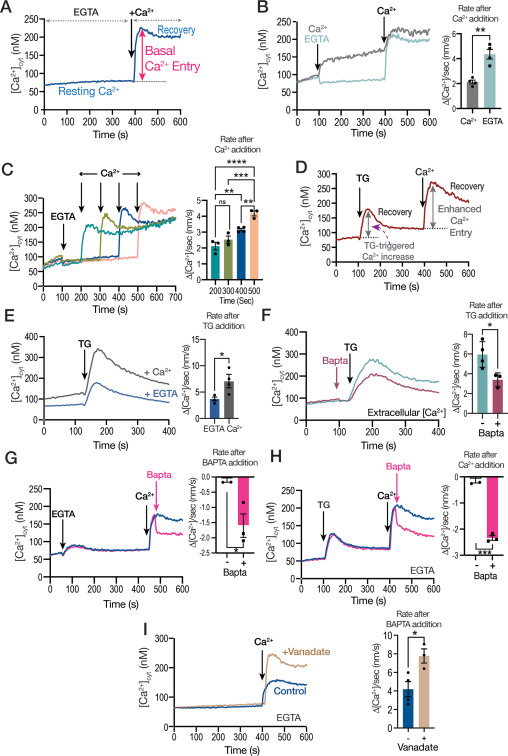
The cytosolic Ca2+ concentration of all cells is highly regulated demanding the coordinated operation of Ca2+ pumps, channels, exchangers and binding proteins. In the protozoan parasite Toxoplasma gondii calcium homeostasis, essential for signaling, governs critical virulence traits. However, the identity of most molecular players involved in signaling and homeostasis in T. gondii are unknown or …

Lipophilic bisphosphonates reduced cyst burden and ameliorated hyperactivity of mice chronically infected with Toxoplasma gondii

The current treatments for toxoplasmosis are only active against fast-growing tachyzoites, present in acute infections, with little effect on slow-growing bradyzoites within tissue cysts, present in latent chronic infections. The mitochondrion of Toxoplasma gondii is essential for its survival, and one of the major anti-parasitic drugs, atovaquone, inhibits the mitochondrial electron transport chain at the coenzyme Q:cytochrome …

Two CTEGD trainees receive AHA fellowships

by Donna Huber   Baihetiya “Barna” Baierna, a cellular biology graduate student in Silvia Moreno’s laboratory, received an American Heart Association Pre-doctoral Fellowship. It will fund her training for the next two years as she studies the mitochondrion of Toxoplasma gondii. Baierna grew up wanting to follow in her mother’s footsteps as a scientist. “My …

Regulation of Calcium entry by cyclic GMP signaling in Toxoplasma gondii

  Ca2+ signaling impacts almost every aspect of cellular life. Ca2+ signals are generated through the opening of ion channels that permit the flow of Ca2+ down an electrochemical gradient. Cytosolic Ca2+ fluctuations can be generated through Ca2+ entry from the extracellular milieu or release from intracellular stores. In Toxoplasma gondii, Ca2+ ions play critical …

Interorganellar Communication Through Membrane Contact Sites in Toxoplasma gondii

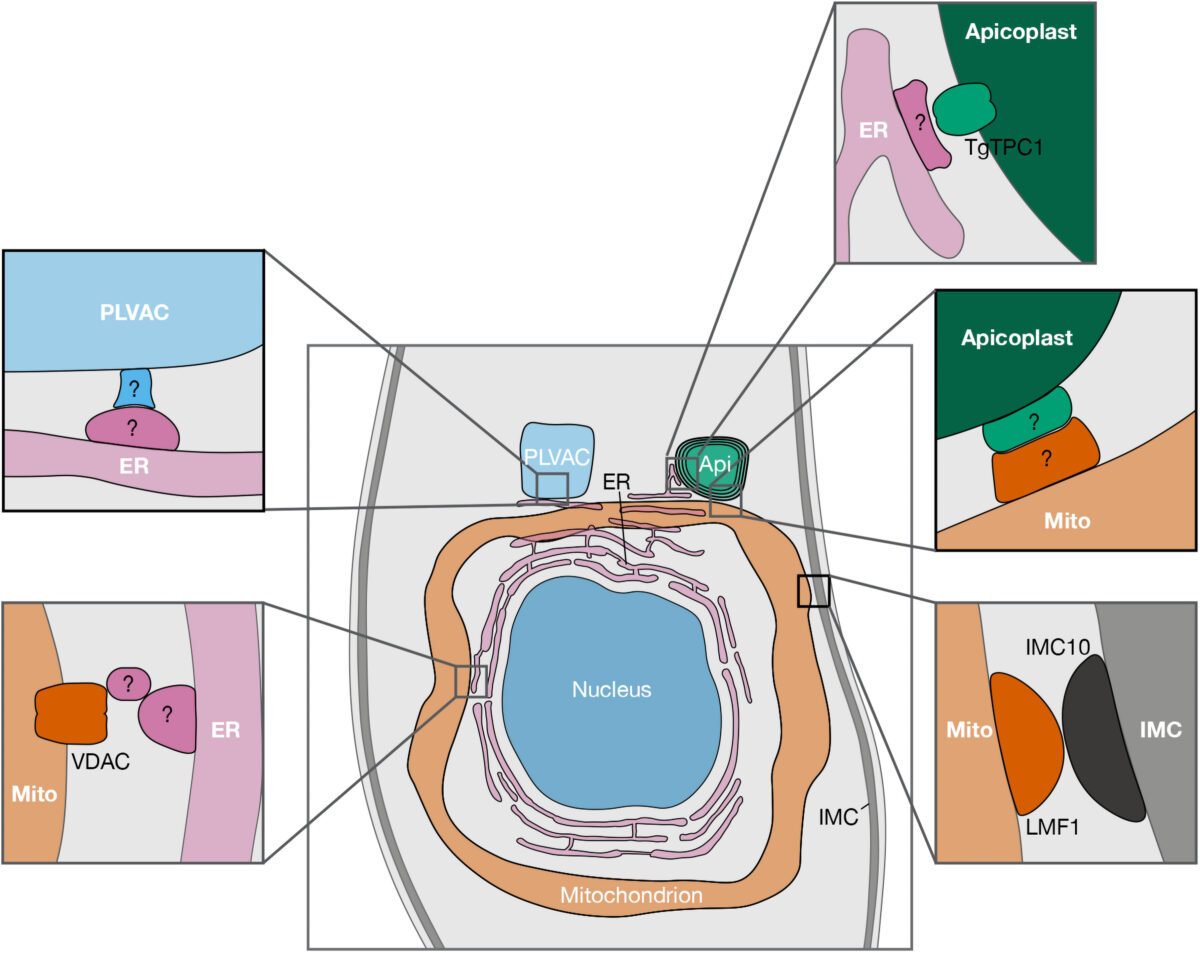
  Apicomplexan parasites are a group of protists that cause disease in humans and include pathogens like Plasmodium spp., the causative agent of malaria, and Toxoplasma gondii, the etiological agent of toxoplasmosis and one of the most ubiquitous human parasites in the world. Membrane contact sites (MCSs) are widespread structures within eukaryotic cells but their …

Analysis of the Interactome of the Toxoplasma gondii Tgj1 HSP40 Chaperone

Toxoplasma gondii is an obligate intracellular apicomplexan that causes toxoplasmosis in humans and animals. Central to its dissemination and pathogenicity is the ability to rapidly divide in the tachyzoite stage and infect any type of nucleated cell. Adaptation to different cell contexts requires high plasticity in which heat shock proteins (Hsps) could play a fundamental role. …

The Toxoplasma Plant-Like Vacuolar Compartment (PLVAC)

Toxoplasma gondii belongs to the phylum Apicomplexa and is an important cause of congenital disease and infection in immunocompromised patients. T. gondii shares several characteristics with plants including a non-photosynthetic plastid termed apicoplast and a multi-vesicular organelle that was named the plant-like vacuole (PLV) or vacuolar compartment (VAC). The name plant-like vacuole was selected based …

The Heptaprenyl Diphosphate Synthase (Coq1) Is the Target of a Lipophilic Bisphosphonate That Protects Mice against Toxoplasma gondii Infection

Prenyldiphosphate synthases catalyze the reaction of allylic diphosphates with one or more isopentenyl diphosphate molecules to form compounds such as farnesyl diphosphate, used in, e.g., sterol biosynthesis and protein prenylation, as well as longer "polyprenyl" diphosphates, used in ubiquinone and menaquinone biosynthesis. Quinones play an essential role in electron transport and are associated with the …