Generic selectors
Exact matches only
Search in title
Search in content
Post Type Selectors

Author: Donna Huber

Data boost: Using big data to fight disease
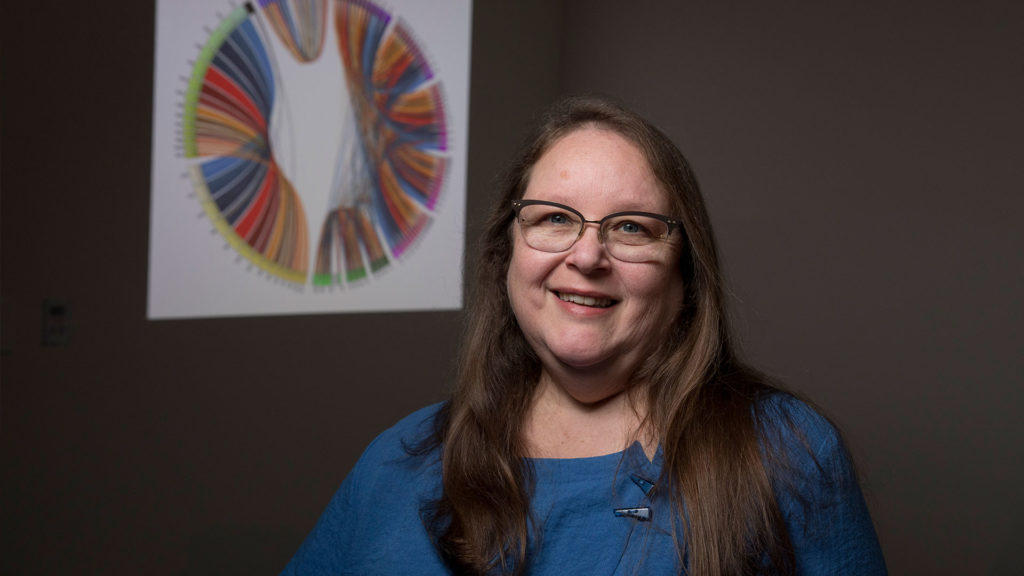
Jessica Kissinger

From leisure to health, digital databases can streamline nearly every facet of modern life.

Remember when making travel plans to a single destination took hours? Now booking flights, hotels and rental cars is just a few clicks—and a credit card—away thanks to travel sites like Expedia, Travelocity and others. Travelers get to compare competitors on price, amenities, customer reviews and proximity to popular locations. The sites pull together multiple data points from various sources (such as pricing from the seller, reviews from users, and maps from Google) and organize them for customers to view.

Jessica Kissinger, the director of UGA’s Institute for Bioinformatics and member of the Center for Tropical and Emerging Global Diseases, is doing for infectious disease research what travel sites did for vacation planning.

All over the world, researchers are racing to stop the spread of deadly and debilitating pathogens such as malaria. As those researchers and public health officials determine, or record data about a disease, Kissinger and her colleagues work to make that data accessible and searchable by the global research community for free.

“We take data generated by others and make them better,” says Kissinger, a Distinguished Research Professor of Genetics. More specifically, Kissinger and a team of cell biologists, geneticists and computer scientists pull disease data from a variety of sources, translate them into standard formats and make them searchable.


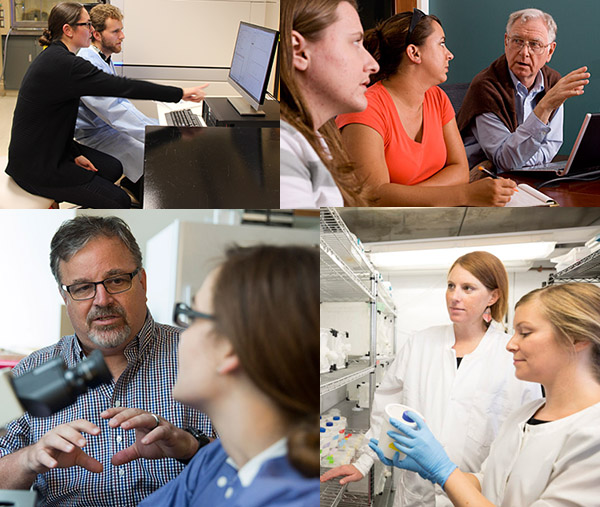
Jessica Kissinger, the director of UGA’s Institute for Bioinformatics, is doing for infectious disease research what travel sites did for vacation planning.

Enabling Discovery

How does building a database fight disease? Data help researchers construct and test their ideas about how to create treatments for diseases or map out ways to halt their spread.

“We don’t give them answers,” Kissinger says. “We give them a framework in which to generate and test hypotheses.”

Kissinger and her team have built databases to take on malaria and other infectious diseases such as toxoplasmosis, cryptosporidiosis and trypanosomiasis. They are also creating tools for studying childhood malnutrition and factors related to disease, and making them accessible to all as they become publicly available. These databases collectively service more than 70,000 unique users a month from more than 100 countries.

To put it simply, her work saves time. It speeds the pace discovery for the next possible solution, the next cure. Without these databases, researchers could spend weeks, months, even years researching existing literature on a disease in the library or recreating work in the lab.
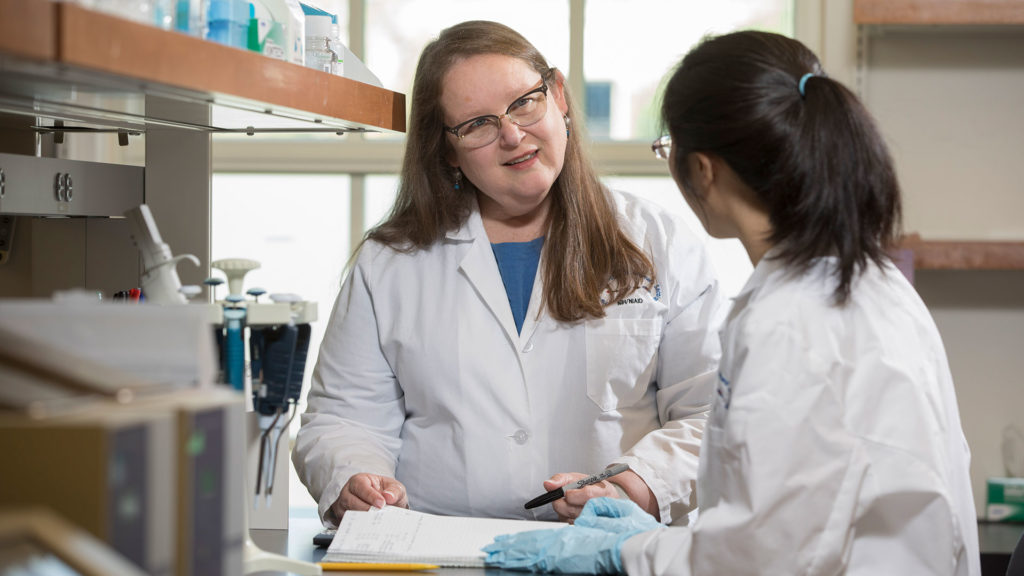
Jessica Kissinger with student

These are tools by biologist for biologists … I think it is that sense of being a member of that community, having your finger on the pulse of what’s going on, that allows you to keep the tools useful. ~ Jessie Kissinger Director, Institute of Bioinformatics

Career Evolution

Kissinger didn’t set out to build databases.

She was trained as a molecular evolutionary biologist, not a computer scientist. “I like to see how molecules change over time,” she says. “When I started in school it was about how a gene or protein evolved.”

It turned out that her field was evolving too. Technology was allowing researchers to understand molecules through bigger data sets. Now, scientists aren’t just looking at individual genes but entire genomes, which are the complete sets of genes in a cell or organism.

As the field evolved, Kissinger learned and embraced the technology. Over time, she shifted her balance away from the so called “wet lab,” where she worked directly with the organisms, to focus mostly on the computer-based “dry lab.”

Her database work started with malaria and continued to expand.

“Now we make 10 different component databases for over 300 organisms (EuPathDB.org), a comparative database to see how conserved genes are across organisms and a new epidemiology database to study the prevalence, spread and factors related to disease in humans (ClinEpiDB.org).” she says.

Kissinger’s team relies on an expert advisory board that helps the researchers customize the databases for each disease community, so they have the largest impact on research. It helps that Kissinger started in a wet lab before diving into informatics.

“These are tools by biologist for biologists,” she says. “We have a lot of computer scientists in the middle, but I think it is that sense of being a member of that community, having your finger on the pulse of what’s going on, that allows you to keep the tools useful.”


SUPPORT OUR RESEARCH

Give to the Center Tropical & Emerging Global Diseases General Fund

[button size=’large’ style=” text=’Give Now’ icon=” icon_color=” link=’https://ctegd.uga.edu/give/’ target=’_self’ color=” hover_color=” border_color=” hover_border_color=” background_color=’#b80d32′ hover_background_color=” font_style=” font_weight=” text_align=’center’ margin=”]


Originally published at https://greatcommitments.uga.edu/story/data-boost/
Rearranged T Cell Receptor Sequences in the Germline Genome of Channel Catfish Are Preferentially Expressed in Response to Infection

Rearranged V(D)J genes coding for T cell receptor α and β chains are integrated into the germline genome of channel catfish. Previous analysis of expressed TCR Vβ2 repertoires demonstrated that channel catfish express multiple public clonotypes, which were shared among all the fish, following infection with a common protozoan parasite. In each case a single DNA sequence was predominately used to code for a public clonotype. We show here that the rearranged VDJ genes coding for these expressed public Vβ2 clonotypes can be amplified by PCR from germline DNA isolated from oocytes and erythrocytes. Sequencing of the Vβ2 PCR products confirmed that these expressed public Vβ2 clonotypes are integrated into the germline. Moreover, sequencing of PCR products confirmed that all five Vβ gene families and Vα1 have rearranged V(D)J genes with diverse CDR3 sequences integrated into the germline. Germline rearranged Vβ2 and Vβ4 genes retain the intron between the leader and Vβ sequence. This suggests that the germline rearranged TCR Vβ genes arose through VDJ rearrangement in T cells, and subsequently moved into the germline through DNA transposon mediated transposition. These results reveal a new dimension to the adaptive immune system of vertebrates, namely: the expression of evolutionarily conserved, rearranged V(D)J genes from the germline.

Robert Craig Findly, Frank D. Niagro, Ryan P. Sweeney, Alvin C. Camus and Harry W. Dickerson. 2018. Frontiers in Immunology. https://doi.org/10.3389/fimmu.2018.02117

Trainee Spotlight: Stephen Vella

Stephen Vella is a Ph.D. trainee in Silvia Moreno’s laboratory. He is originally from Indiana where he received his B.S. in microbiology at Indiana University. In his first year at UGA, he was awarded an Excellence in Graduate Recruitment Award and a Provost’s Scholars of Excellence Award Fellowship. He has also been awarded an Outstanding Poster Presentation at the Molecular Parasitology Meeting in 2016. And in 2017, he was awarded a T32 fellowship from CTEGD.

Recognition and killing of Brugia malayi microfilariae by human immune cells is dependent on the parasite sample and is not altered by ivermectin treatment

graphical abstract

Abstract

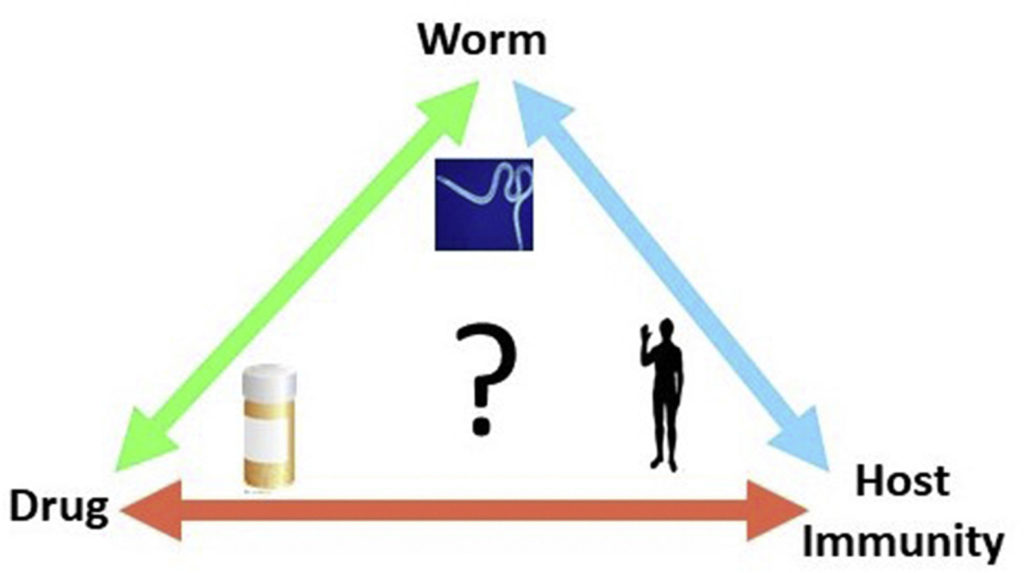
Mass administration of macrocyclic lactones targets the transmission of the causative agents of lymphatic filariasis to their insect vectors by rapidly clearing microfilariae (Mf) from the circulation. It has been proposed that the anti-filarial action of these drugs may be mediated through the host immune system. We recently developed an in vitro assay for monitoring the attachment to and killing of B. malayi Mf by human neutrophils (PMNs) and monocytes (PBMCs), however, the levels of both cell to worm attachment and leukocyte mediated Mf killing varied greatly between individual experiments. To determine whether differences in an individual’s immune cells or the Mf themselves might account for the variability in survival, PMNs and PBMCs were isolated from 12 donors every week for 4 weeks and the cells used for survival assays with a different batch of Mf, thereby keeping donors constant but varying the Mf sample. Results from these experiments indicate that, overall, killing is Mf-rather than donor-dependent. To assess whether ivermectin (IVM) or diethylcarbamazine (DEC) increase killing, Mf were incubated either alone or with immune cells in the presence of IVM or DEC. Neither drug induced a significant difference in the survival of Mf whether cultured with or without cells, with the exception of DEC at 2 h post incubation. In addition, human PBMCs and PMNs were incubated with IVM or DEC for 1 h or 16 h prior to RNA extraction and Illumina sequencing. Although donor-to-donor variation may mask subtle differences in gene expression, principle component analysis of the RNASeq data indicates that there is no significant change in the expression of any genes from the treated cells versus controls. Together these data suggest that IVM and DEC have little direct effect on immune cells involved in the rapid clearance of Mf from the circulation.

Barbara J. Reaves, Connor Wallis, Ciaran J.McCoy, W. Walter Lorenz, Balazs Rada, Adrian J.Wolstenholme. 2018. International Journal for Parasitology: Drugs and Drug Resistance; 6(3): 587-595.

Faculty search underway for Assistant Professor

faculty with students

The Department of Pharmaceutical and Biomedical Sciences in the College of Pharmacy and the Center for Tropical & Emerging Global Diseases at the University of Georgia invites applications for a full-time tenure track position at the level of Assistant Professor.

We seek an individual who will build and maintain a strong extramurally-funded research program focused on parasites that applies cutting-edge approaches in chemical biology, molecular pharmacology, medicinal chemistry, or drug discovery. The successful candidate would build on the research strengths of the Department and the Center for Tropical and Emerging Global Diseases, one of the world’s leading centers for parasite research. A commitment to excellence in teaching at the undergraduate and graduate levels within the College of Pharmacy is also required. The position includes a very competitive salary, excellent laboratory space, and a generous start-up package. Applicants must hold a Ph.D. (or MD) degree in a biomedical, biological, or pharmacological science, have at least two years of postdoctoral training and a strong publication record.

Applicants should submit a cover letter, curriculum vitae, research statement (up to 3 pages) and teaching philosophy. Three confidential letters of recommendation are required, and applicants should provide email addresses for referees in their application. Application materials submitted in other ways will not be accepted. Review of applications will begin on November 15, 2018, and continue until the position is filled. Contact pbsearch@uga.edu with questions.

The College of Pharmacy and the University of Georgia is committed to increasing the diversity of its faculty and students, and sustaining a work and learning environment that is inclusive. The University of Georgia is an Equal Opportunity/Affirmative Action employer. All qualified applicants will receive consideration for employment without regard to race, color, religion, sex, national origin, disability, gender identity, sexual orientation or protected veteran status. Persons needing accommodations or assistance with the accessibility of materials related to this search are encouraged to contact Central HR (facultyjobs@uga.edu). Please do not contact the department or search committee with such requests.

Minimum Qualifications: Applicants must hold a Ph.D. (or MD) degree in a biomedical or biological science, and have at least two years of postdoctoral training.

Applications will be accepted until December 16, 2018.

[button size=’large’ style=” text=’Apply Now’ icon=” icon_color=’#cf0404′ link=’https://www.ugajobsearch.com/postings/33146′ target=’_self’ color=” hover_color=” border_color=” hover_border_color=” background_color=” hover_background_color=” font_style=” font_weight=” text_align=’center’ margin=”]
 

Inorganic Polyphosphate Interacts with Nucleolar and Glycosomal Proteins in Trypanosomatids

Summary

Inorganic polyphosphate (polyP) is a polymer of three to hundreds of phosphate units bound by high‐energy phosphoanhydride bonds and present from bacteria to humans. Most polyP in trypanosomatids is concentrated in acidocalcisomes, acidic calcium stores that possess a number of pumps, exchangers, and channels, and are important for their survival. In this work, using polyP as bait we identified > 25 putative protein targets in cell lysates of both Trypanosoma cruzi and Trypanosoma brucei. Gene ontology analysis of the binding partners found a significant over‐representation of nucleolar and glycosomal proteins. Using the polyphosphate‐binding domain (PPBD) of Escherichia coliexopolyphosphatase (PPX), we localized long‐chain polyP to the nucleoli and glycosomes of trypanosomes. A competitive assay based on the pre‐incubation of PPBD with exogenous polyP and subsequent immunofluorescence assay of procyclic forms (PCF) of T. brucei showed polyP concentration‐dependent and chain length‐dependent decrease in the fluorescence signal. Subcellular fractionation experiments confirmed the presence of polyP in glycosomes of T. brucei PCF. Targeting of yeast PPX to the glycosomes of PCF resulted in polyP hydrolysis, alteration in their glycolytic flux and increase in their susceptibility to oxidative stress.

Raquel S. Negreiros, Noelia Lander, Guozhong Huang, Ciro D. Cordeiro, Stephanie A. Smith, James H. Morrissey, Roberto Docampo. 2018. Molecular Microbiology; 110(6):973-994. https://doi.org/10.1111/mmi.14131

Calcium-sensitive pyruvate dehydrogenase phosphatase is required for energy metabolism, growth, differentiation, and infectivity of Trypanosoma cruzi

Abstract

In vertebrate cells, mitochondrial Ca2+ uptake by the mitochondrial calcium uniporter (MCU) leads to Ca2+-mediated stimulation of an intramitochondrial pyruvate dehydrogenase phosphatase (PDP). This enzyme dephosphorylates serine residues in the E1α subunit of pyruvate dehydrogenase (PDH), thereby activating PDH and resulting in increased ATP production. Although a phosphorylation–dephosphorylation cycle for the E1α subunit of PDH from non-vertebrate organisms has been described, the Ca2+-mediated PDP activation has not been studied. In this work we investigated the Ca2+ sensitivity of two recombinant PDPs from the protozoan human parasites Trypanosoma cruzi (TcPDP) and Trypanosoma brucei (TbPDP) and generated a TcPDP-KO cell line to establish TcPDP’s role in cell bioenergetics and survival. Moreover, the mitochondrial localization of the TcPDP was studied by CRISPR/Cas9-mediated endogenous tagging. Our results indicate that TcPDP and TbPDP both are Ca2+-sensitive phosphatases. Of note, TcPDP-KO epimastigotes exhibited increased levels of phosphorylated TcPDH, slower growth and lower oxygen consumption rates than control cells, an increased AMP:ATP ratio and autophagy under starvation conditions, and reduced differentiation into infective metacyclic forms. Furthermore, TcPDP-KO trypomastigotes were impaired in infecting culture host cells. We conclude that TcPDP is a Ca2+-stimulated mitochondrial phosphatase that dephosphorylates TcPDH and is required for normal growth, differentiation, infectivity and energy metabolism in T. cruzi.  Our results support the view that one of the main roles of the MCU is linked to the regulation of intramitochondrial dehydrogenases.

Noelia Lander, Miguel A. Chiurillo, Mayara S. Bertolini, Melissa Storey, Anibal E. Vercesi and Roberto Docampo. 2018. Journal of Biological Chemistry; 293(45):17402-17417. doi: 10.1074/jbc.RA118.004498

Trainee Spotlight: Josh Butler

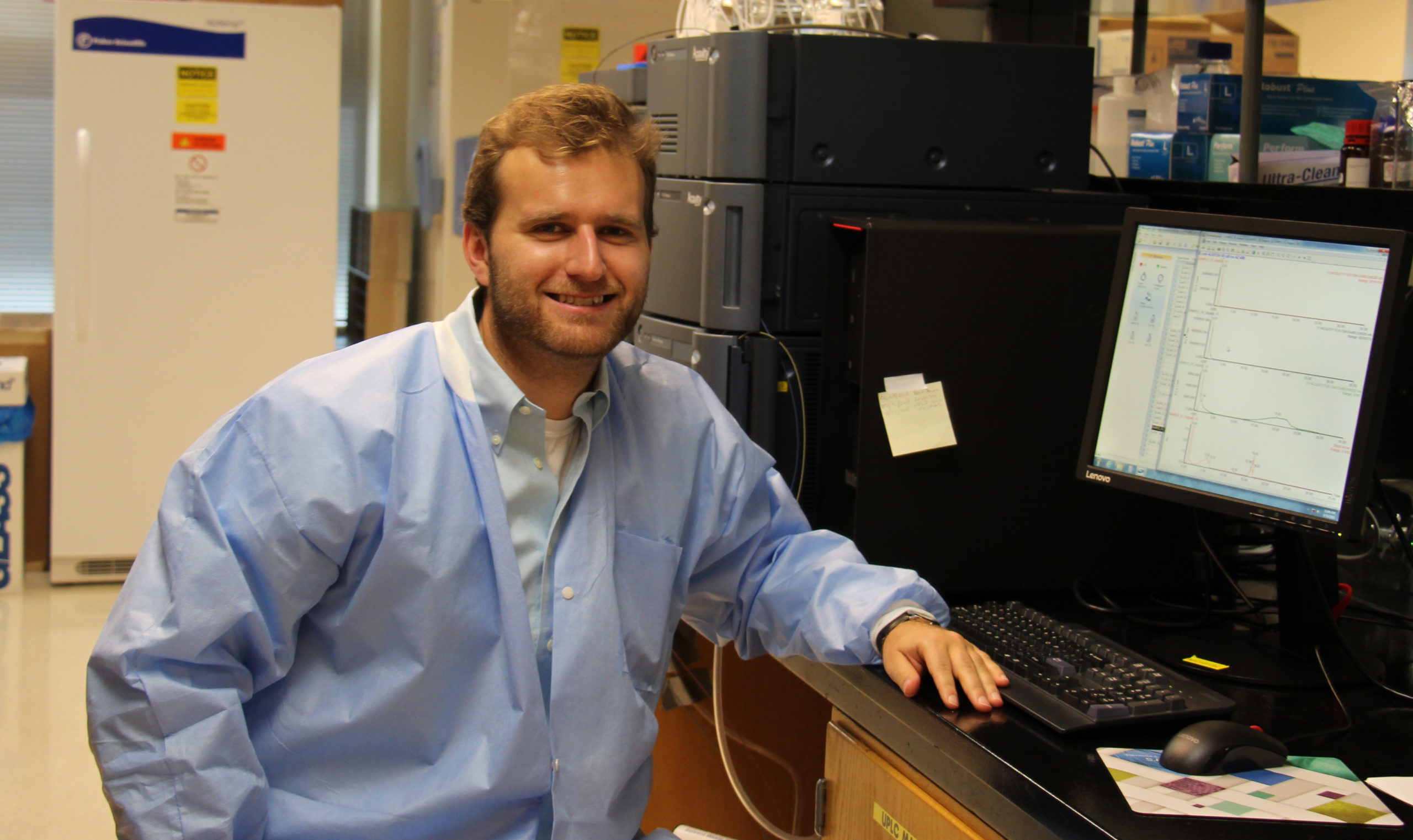
Josh Butler

New T32 trainee Josh Butler is a third year Ph.D. student in Belen Cassera‘s laboratory. He is from Front Royal, Virginia and completed his B.S. in chemistry at James Madison University in Harrisonburg, Virginia.

Butler decided to pursue his graduate degree at the University of Georgia because of the Integrate Life Sciences program which offers the opportunity to explore a range of research topics. The same interdisciplinary aspect is what he found appealing about the Center for Tropical and Emerging Global Diseases and ultimately why he joined a lab within this department.

“There is no shortage of resources here, ranging from state of the art instrumentation and core facilities to people that are willing to mentor and train successful scientists,” said Butler. “Coming from a smaller institution, I had never really seen anything to this scale and I knew it was something I wanted to experience and become a part of.”

Research Focus

Broadly, Butler’s research is focused on antimalarial drug discovery. More specifically, he is using antimalarial natural products as tools to discover novel drug targets in the malaria parasite Plasmodium falciparum.

Nearly 220 million people have malaria, and it kills nearly half a million people each year. Plasmodium falciparum causes the most severe forms of malaria, such as cerebral malaria, which can lead to brain damage, coma, and death, and placental malaria, which can be life-threatening to both mother and fetus.

“I chose this research because not only does it contribute positively to the global campaign of malaria eradication, but from a training standpoint it would also provide a solid foundation for a career further researching and developing antimicrobial therapies in general.”

Capstone Experience

Each T32 trainee is provided with the opportunity to pursue a capstone experience. Butler hopes to do an internship with a pharmaceutical industry research group that is actively performing anti-parasitic research to experience how the type research he does as a graduate student can translate outside the realm of academia.

“Private-public collaboration in malaria research has really driven drug discovery research in a positive direction and  I would like the opportunity to experience that first hand and develop acumen to engage in that type of research in the next stage of my career.”

Future Career Goals

“I would like to continue working in a field of scientific research which can positively impact people’s lives, whether it be through a biomedical or biotechnical avenue.”

Advice for Aspiring Scientists

“Don’t be afraid to fail or be wrong. Learn from it and use it to keep pushing forward. Try to find positives in the negatives.”


Support trainees like Josh by giving today to the Center for Tropical & Emerging Global Diseases.

[button size=’large’ style=” text=’Give Online’ icon=” icon_color=’#b80d32′ link=’https://ctegd.uga.edu/give/’ target=’_self’ color=” hover_color=” border_color=” hover_border_color=” background_color=” hover_background_color=” font_style=” font_weight=” text_align=’center’ margin=”]