Generic selectors
Exact matches only
Search in title
Search in content
Post Type Selectors

Author: Donna Huber

Age influences thermal tolerance in Asian malaria mosquito

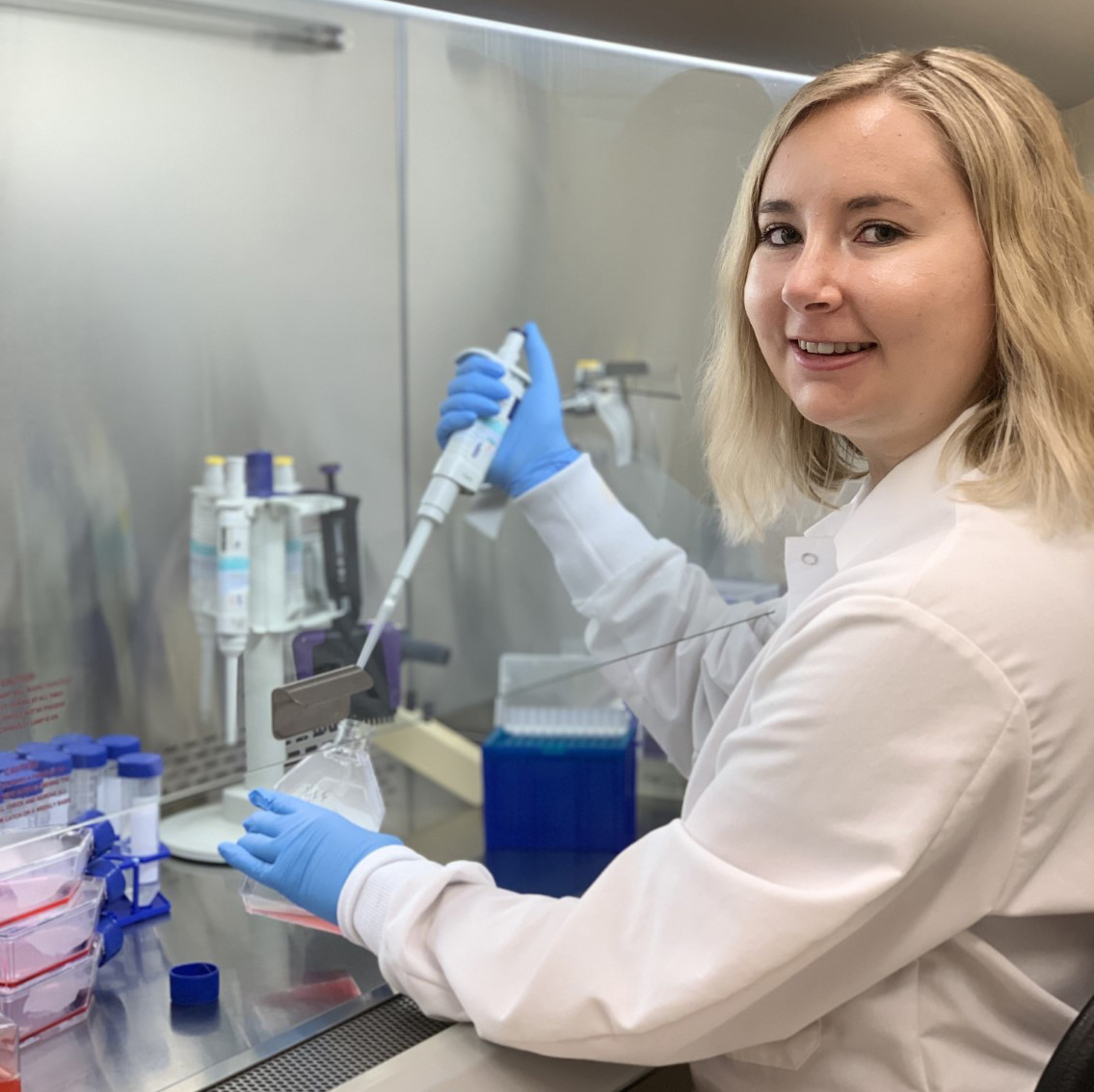
Environmental portrait of Courtney Murdock in her laboratory at UGA's School of Veterinary Medicine (Dorothy Kozlowski) Malaria disease transmission models are important tools for controlling and eliminating disease spread. However, a model is only as good as the assumptions about the various variables. Dr. Courtney Murdock, a member of the UGA’s Center for Tropical and …

Metabolomics profiling reveals new aspects of dolichol biosynthesis in Plasmodium falciparum

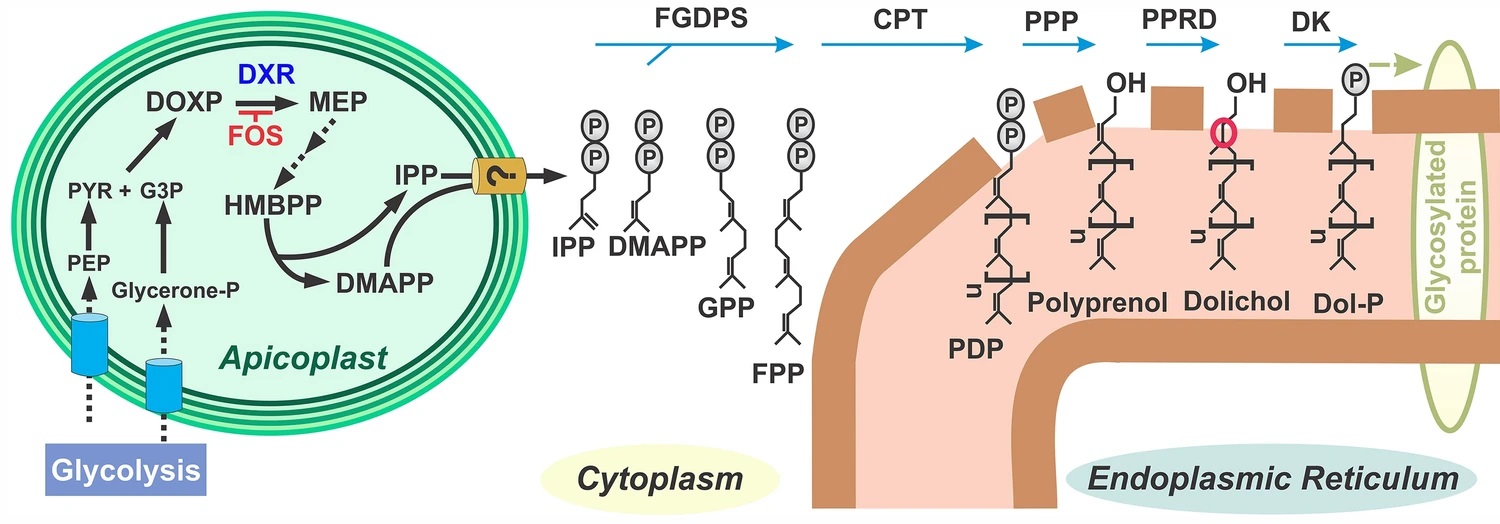
The cis-polyisoprenoid lipids namely polyprenols, dolichols and their derivatives are linear polymers of several isoprene units. In eukaryotes, polyprenols and dolichols are synthesized as a mixture of four or more homologues of different length with one or two predominant species with sizes varying among organisms. Interestingly, co-occurrence of polyprenols and dolichols, i.e. detection of a …

Trainee Spotlight: Emma Troth

Emma Troth, a Ph.D. trainee in Dennis Kyle's laboratory, is entering her fourth year at UGA. She is originally from Eureka, Illinois, and attended Bradley University where she majored in Biology with a minor in Ethics. While at UGA, Emma has served as president of the CTEGD Graduate Student Association (2019-2020) and is currently the …

Age influences the thermal suitability of Plasmodium falciparum transmission in the Asian malaria vector Anopheles stephensi

Models predicting disease transmission are vital tools for long-term planning of malaria reduction efforts, particularly for mitigating impacts of climate change. We compared temperature-dependent malaria transmission models when mosquito life-history traits were estimated from a truncated portion of the lifespan (a common practice) versus traits measured across the full lifespan. We conducted an experiment on …

Pre-Erythrocytic Vaccines against Malaria

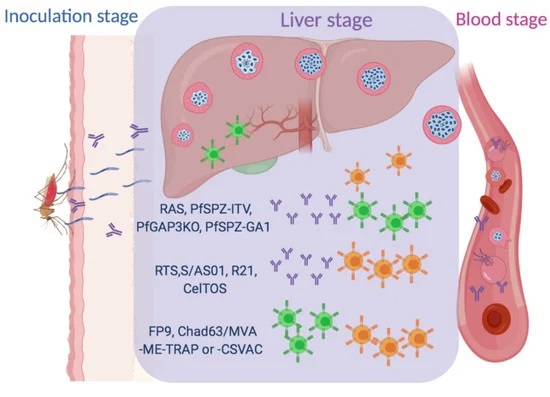
Malaria, caused by the protozoan Plasmodium, is a devastating disease with over 200 million new cases reported globally every year. Although immunization is arguably the best strategy to eliminate malaria, despite decades of research in this area we do not have an effective, clinically approved antimalarial vaccine. The current impetus in the field is to develop vaccines …

Test, Treat, Track, Test, and Treat Active Surveillance toward Elimination of Schistosomiasis: A Feasibility Study

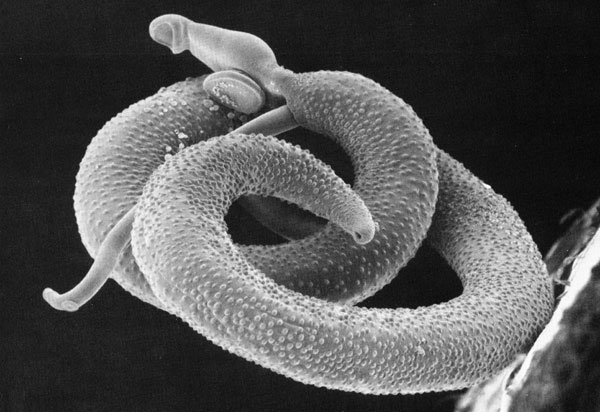
We assessed the feasibility of using a test, treat, track, test, and treat (5T) active surveillance strategy to identify and treat individuals with schistosomiasis in three very low-prevalence villages in Kafr El Sheikh Governorate, Egypt. Primary index cases (PICs) were identified using the point-of-care circulating cathodic antigen (POC-CCA) assay in schools, in rural health units …

SCORE – a decade of operational research with a lasting legacy

It all began with a simple phone call and now, more than a decade later, the Schistosomiasis Consortium for Operational Control and Evaluation (SCORE) is preparing to pass the baton to new groups of investigators working on understanding and controlling schistosomiasis. Under the direction of Dan Colley, a member of the Center for Tropical and …

Flavanones From the Twigs and Barks of Artocarpus Lakoocha Having Antiplasmodial and Anti-TB Activities

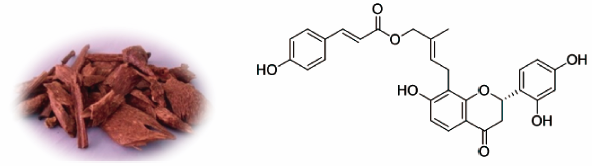
Chromatographic separation of the acetone extracts from the twigs and barks of Artocarpus lakoocha led to the isolation of the one new flavanone, lakoochanone (1), together with eleven known compounds (2-12). Lakoochanone (1) and moracin C (4) exhibited weak antiplasmodial activity against Plasmodium falciparum Dd2 with IC50 values of 36.7 and 33.9 µM, respectively. Moreover, moracin …

Lathosterol Oxidase (Sterol C-5 Desaturase) Deletion Confers Resistance to Amphotericin B and Sensitivity to Acidic Stress in Leishmania Major

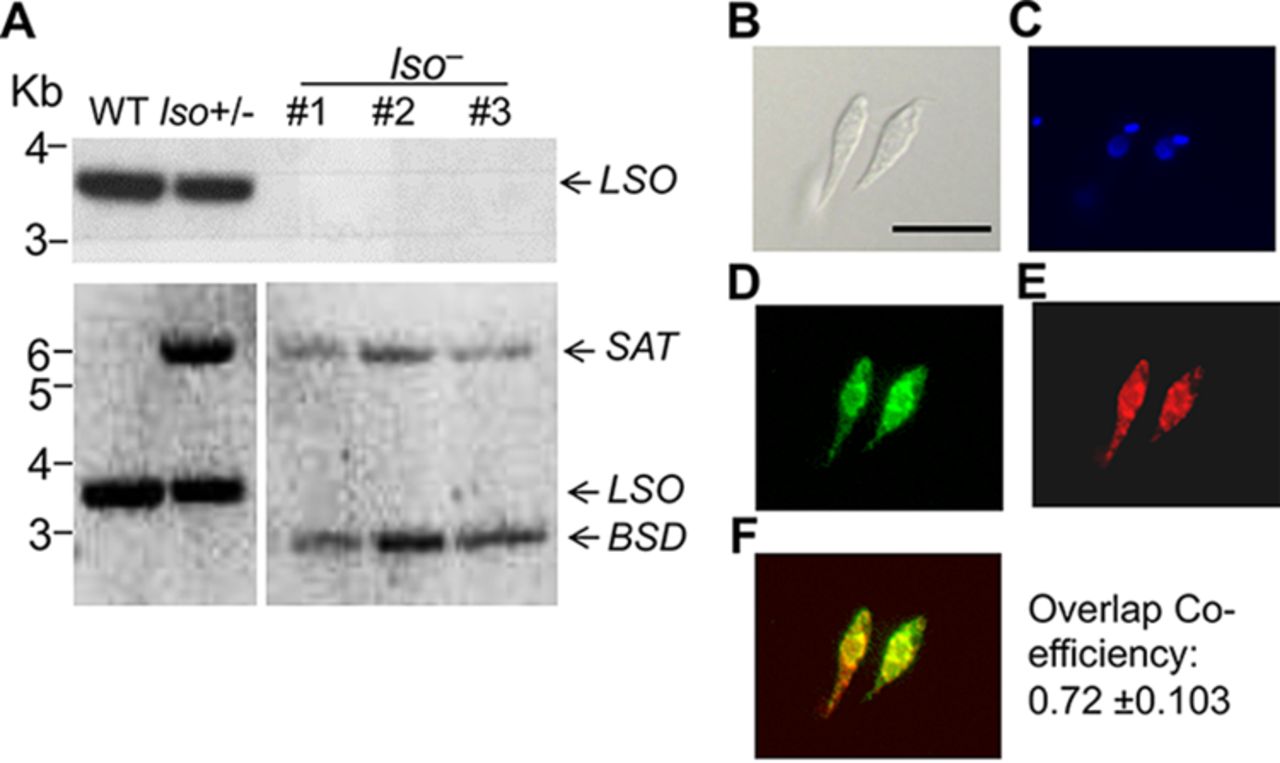
Lathosterol oxidase (LSO) catalyzes the formation of the C-5–C-6 double bond in the synthesis of various types of sterols in mammals, fungi, plants, and protozoa. In Leishmania parasites, mutations in LSO or other sterol biosynthetic genes are associated with amphotericin B resistance. To investigate the biological roles of sterol C-5–C-6 desaturation, we generated an LSO-null mutant line (lso−) in Leishmania major, …