Protozoan persister-like cells and drug treatment failure
New method patented to provide increased vaccine efficacy
by Donna Huber Vaccines can be an efficient and cost-effective method of preventing and treating pathogen-induced illnesses. As new pathogens appear and old pathogens re-emerge, improved vaccines are needed. For one emerging global disease, Chagas Disease, effective vaccine development has long been elusive. Now, Rick Tarleton, Regents’ Professor in the department of cellular biology, and former …
Highly competent, non-exhausted CD8+ T cells continue to tightly control pathogen load throughout chronic Trypanosoma cruzi infection
Abstract Trypanosoma cruzi infection is characterized by chronic parasitism of non-lymphoid tissues and is rarely eliminated despite potent adaptive immune responses. This failure to cure has frequently been attributed to a loss or impairment of anti-T. cruzi T cell responses over time, analogous to the T cell dysfunction described for other persistent infections. In this study, we have …
Study reveals key cause of treatment failure in Chagas disease
Researchers at the University of Georgia have discovered that dormancy of the parasite Trypanosoma cruzi prevents effective drug treatment for Chagas disease, which kills more than 50,000 people each year in Central and South America and is a growing threat in the United States and Europe. The disease infects an estimated 6 million to 7 million …
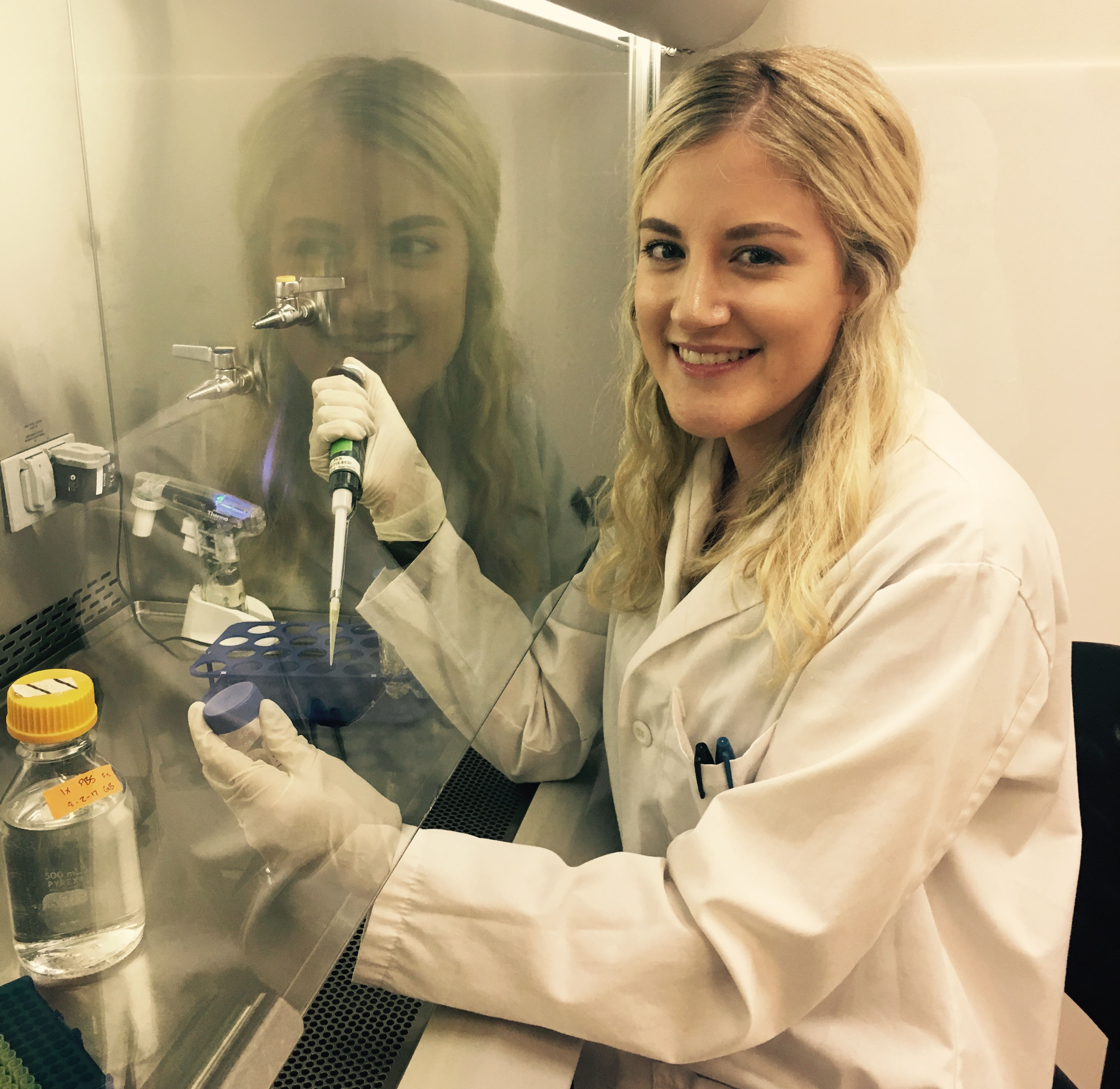
Trainee Spotlight: Molly Bunkofse
NIH T32 trainee Molly Bunkofse, a Ph.D. student in Rick Tarleton‘s laboratory, is originally from Illinois and I obtained my BA in Biology from a small, liberal arts college called Augustana, which is located in Rock Island, IL. Molly’s research focus Molly’s project focuses on the host CD8+ T cell response that is generated against …
Cellular biology professor Rick Tarleton named Regents’ Professor at UGA
Athens, Ga. – Rick Tarleton, Distinguished Research Professor and University of georgia Athletic Association Distinguished Professor in Biological Sciences in the Franklin College of Arts and Sciences, has been named Regents’ Professor, effective July 1. Regents’ Professorships are bestowed by the University System of Georgia’s Board of Regents on faculty members whose scholarship or creative …