Generic selectors
Exact matches only
Search in title
Search in content
Post Type Selectors

Tag: Michael Strand

On the origin and evolution of the mosquito male-determining factor Nix
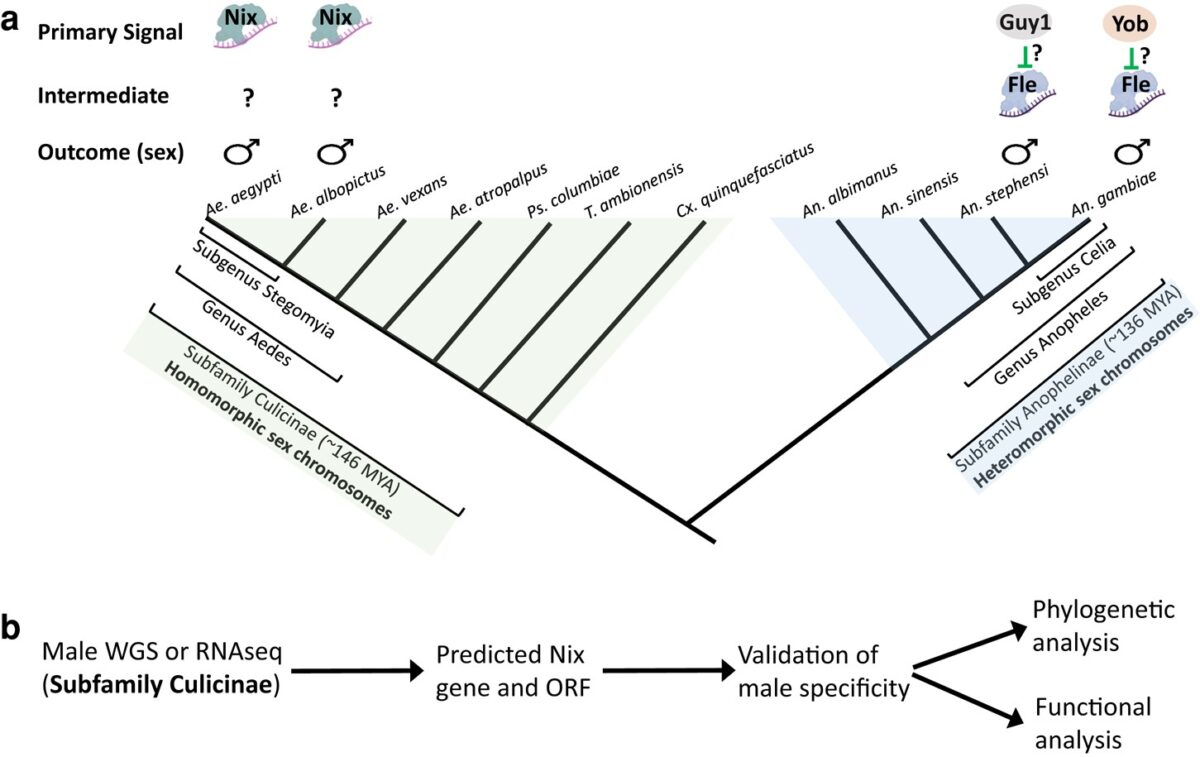
The mosquito family Culicidae is divided into two subfamilies named the Culicinae and Anophelinae. Nix, the dominant male-determining factor, has only been found in the culicines Aedes aegypti and Ae. albopictus, two important arboviral vectors that belong to the subgenus Stegomyia. Here we performed sex-specific whole-genome sequencing and RNAseq of divergent mosquito species and explored …

Increased environmental microbial diversity reduces the disease risk of a mosquitocidal pathogen

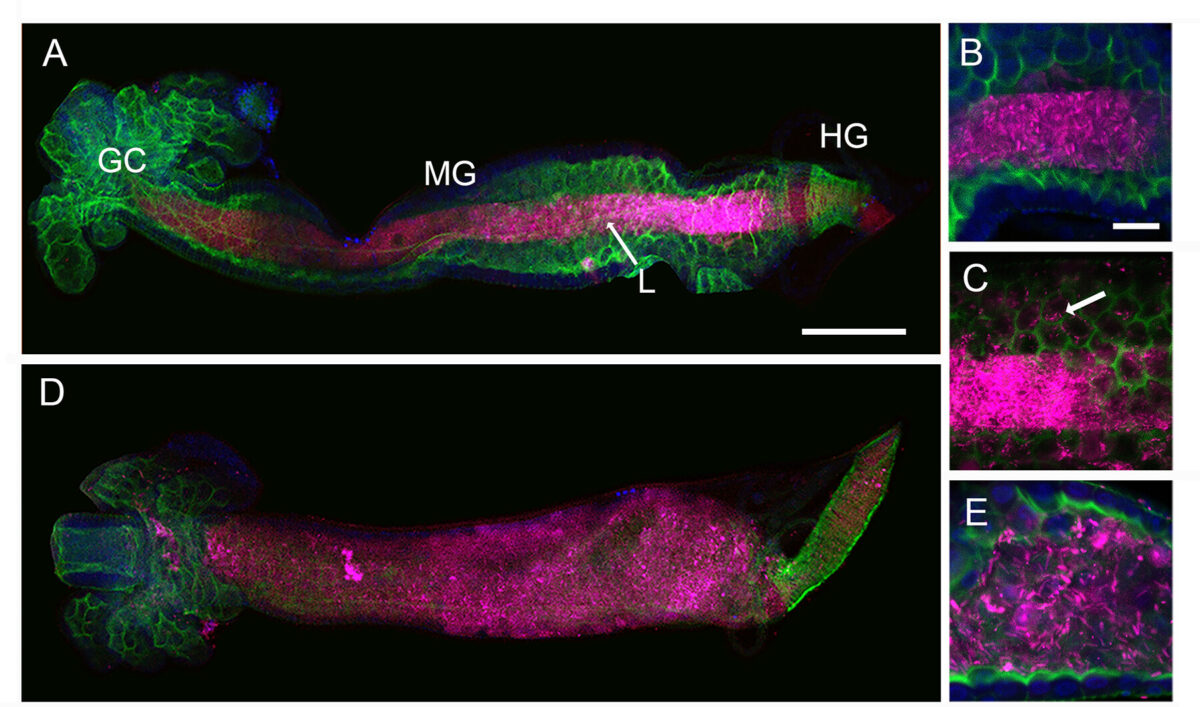
The host-specific microbiotas of animals can both reduce and increase disease risks from pathogens. In contrast, how environmental microbial communities affect pathogens is largely unexplored. Aquatic habitats are of interest because water enables environmental microbes to readily interact with animal pathogens. Here, we focused on mosquitoes, which are important disease vectors as terrestrial adults but …

The mosquito Aedes aegypti requires a gut microbiota for normal fecundity, longevity and vector competence

Mosquitoes shift from detritus-feeding larvae to blood-feeding adults that can vector pathogens to humans and other vertebrates. The sugar and blood meals adults consume are rich in carbohydrates and protein but are deficient in other nutrients including B vitamins. Facultatively hematophagous insects like mosquitoes have been hypothesized to avoid B vitamin deficiencies by carryover of …

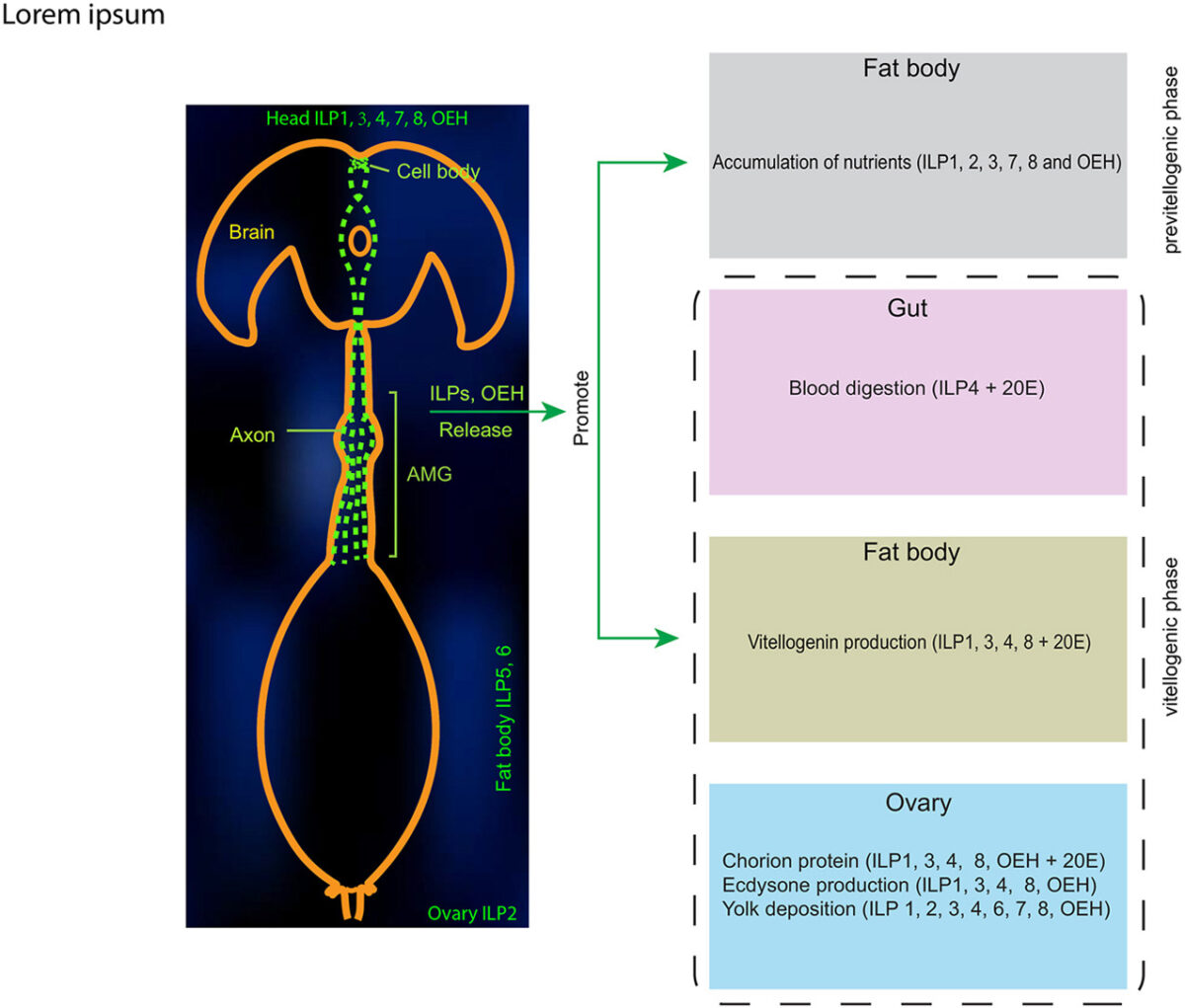
Insulin-like peptides and ovary ecdysteroidogenic hormone differentially stimulate physiological processes regulating egg formation in the mosquito Aedes aegypti

Mosquitoes including Aedes aegypti are human disease vectors because females must blood feed to produce and lay eggs. Blood feeding triggers insulin-insulin growth factor signaling (IIS) which regulates several physiological processes required for egg development. A. aegypti encodes 8 insulin-like peptides (ILPs) and one insulin-like receptor (IR) plus ovary ecdysteroidogenic hormone (OEH) that also activates …

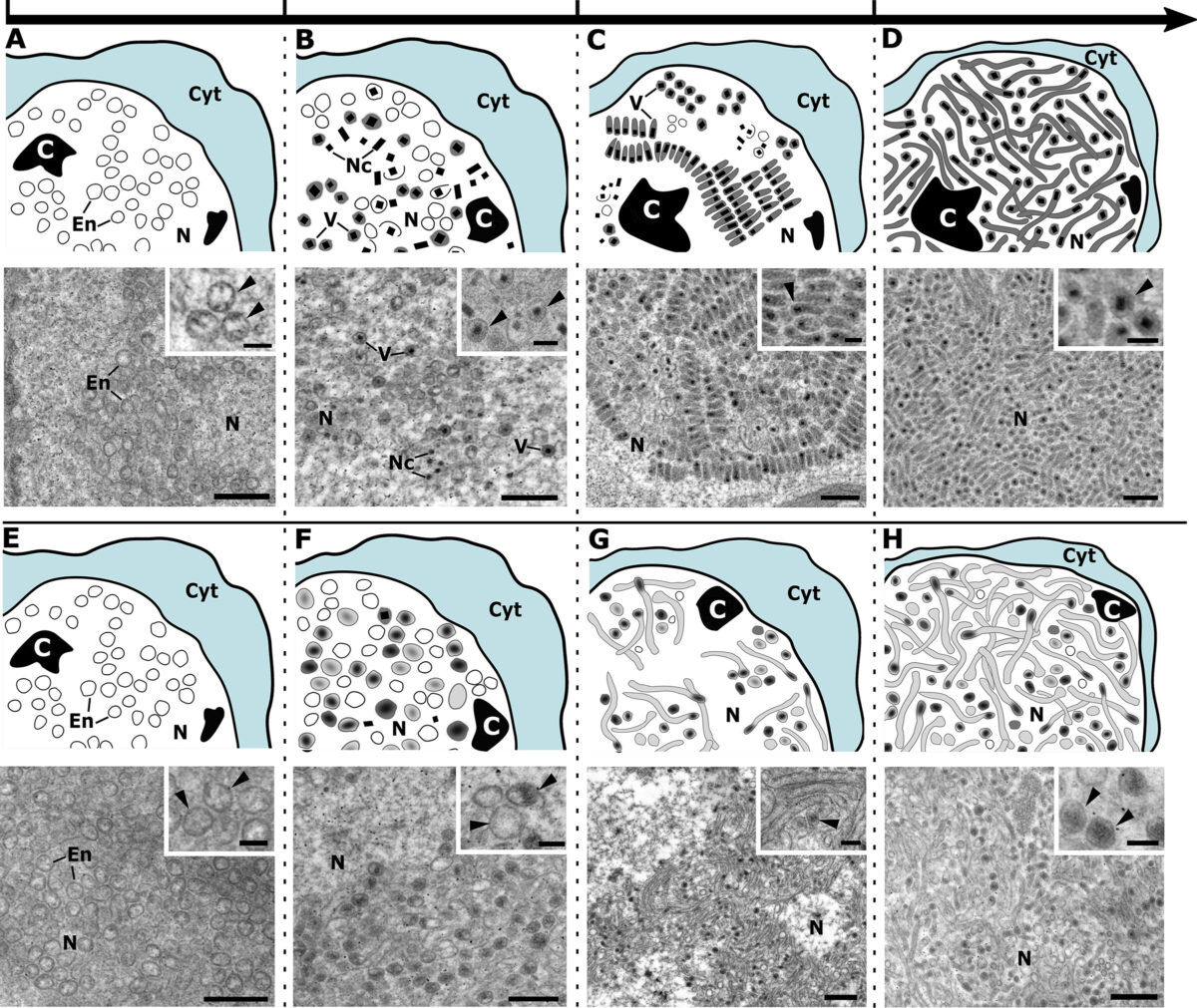
Functional characterization of Microplitis demolitor bracovirus genes that encode nucleocapsid

  Bracoviruses (BVs) are endogenized nudiviruses in parasitoid wasps of the microgastroid complex (order Hymenoptera: Family Braconidae). BVs produce replication-defective virions that adult female wasps use to transfer DNAs encoding virulence genes to parasitized hosts. Some BV genes are shared with nudiviruses and baculoviruses with studies of the latter providing insights on function, whereas other …

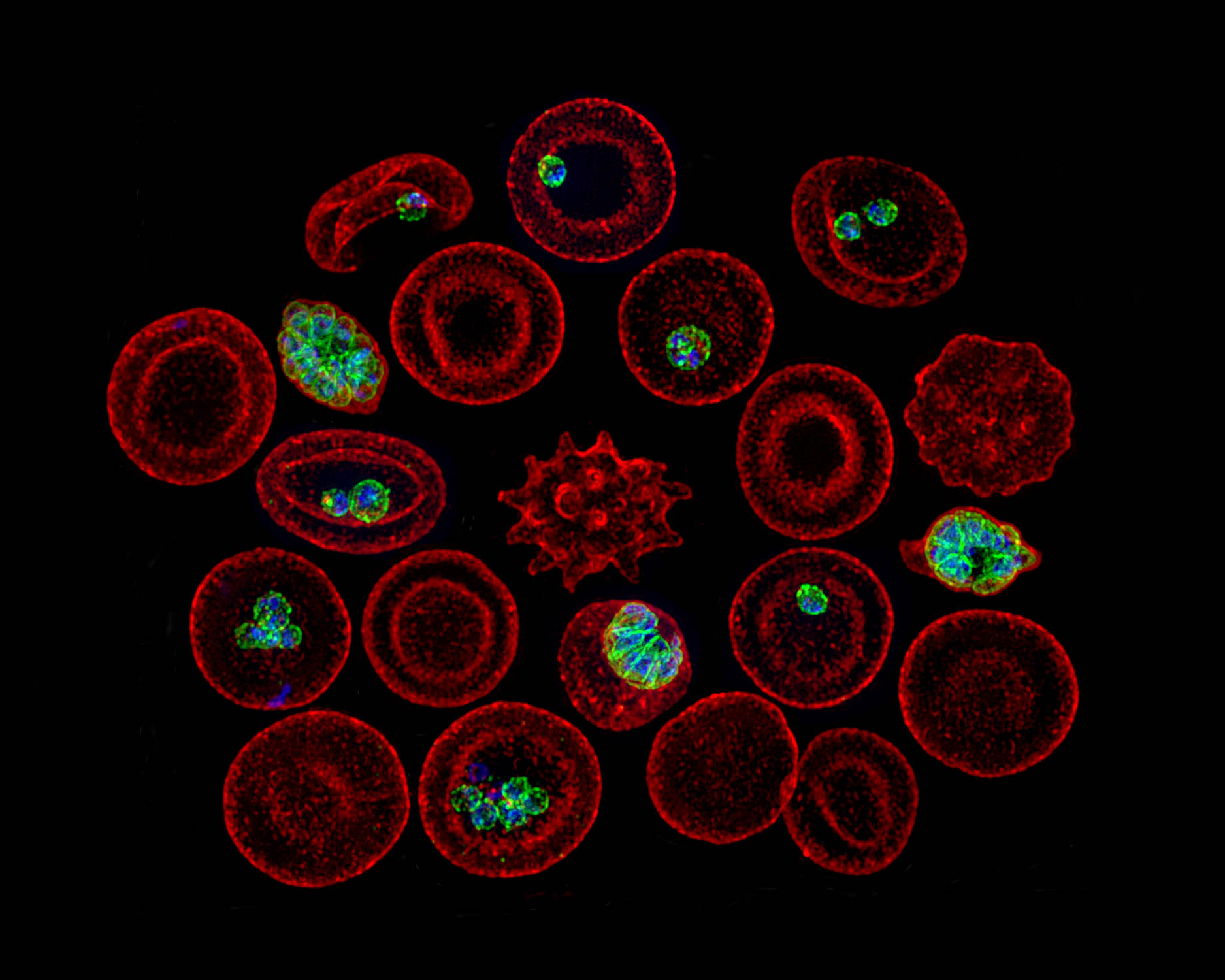
All the pieces matter: UGA researchers collaborate to solve malaria puzzle

Super-resolution microscopy showing malaria parasites infecting human red blood cells. credit: Muthugapatti Kandasamy, Biomedical Microscopy Core They say what doesn’t kill you makes you stronger. Whoever coined that adage had probably never heard of Plasmodium. It’s a microscopic parasite, invisible to the naked eye but common in tropical and subtropical regions throughout the world. Each …

An aphid symbiont confers protection against a specialized RNA virus, another increases vulnerability to the same pathogen

Insects often harbor heritable symbionts that provide defense against specialized natural enemies, yet little is known about symbiont protection when hosts face simultaneous threats. In pea aphids (Acyrthosiphon pisum), the facultative endosymbiont Hamiltonella defensa confers protection against the parasitoid, Aphidius ervi, and Regiella insecticola protects against aphid-specific fungal pathogens, including Pandora neoaphidis. Here we investigated …

Multiple endocrine factors regulate nutrient mobilization and storage in Aedes aegypti during a gonadotrophic cycle

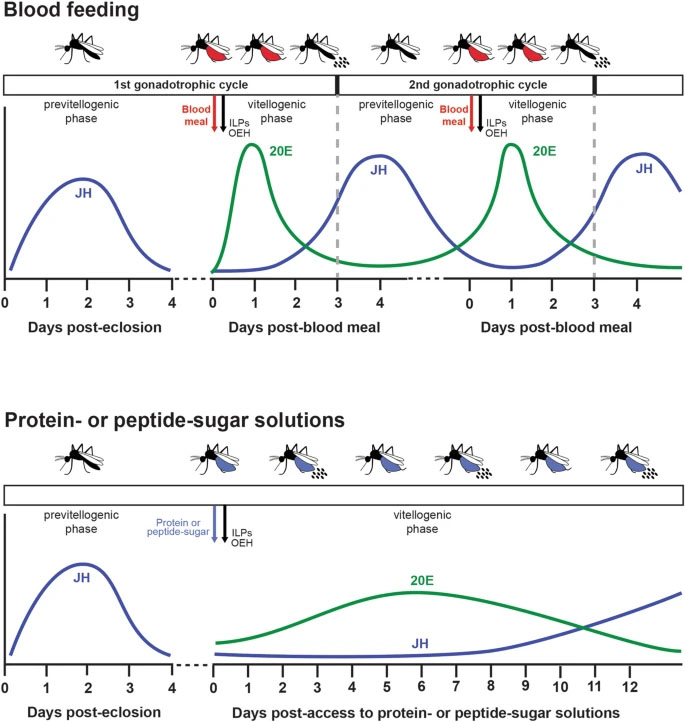
Anautogenous mosquitoes must blood feed on a vertebrate host to produce eggs. Each gonadotrophic cycle is subdivided into a sugar-feeding previtellogenic phase that produces primary follicles and a blood meal-activated vitellogenic phase in which large numbers of eggs synchronously mature and are laid. Multiple endocrine factors including juvenile hormone (JH), insulin-like peptides (ILPs), ovary ecdysteroidogenic …

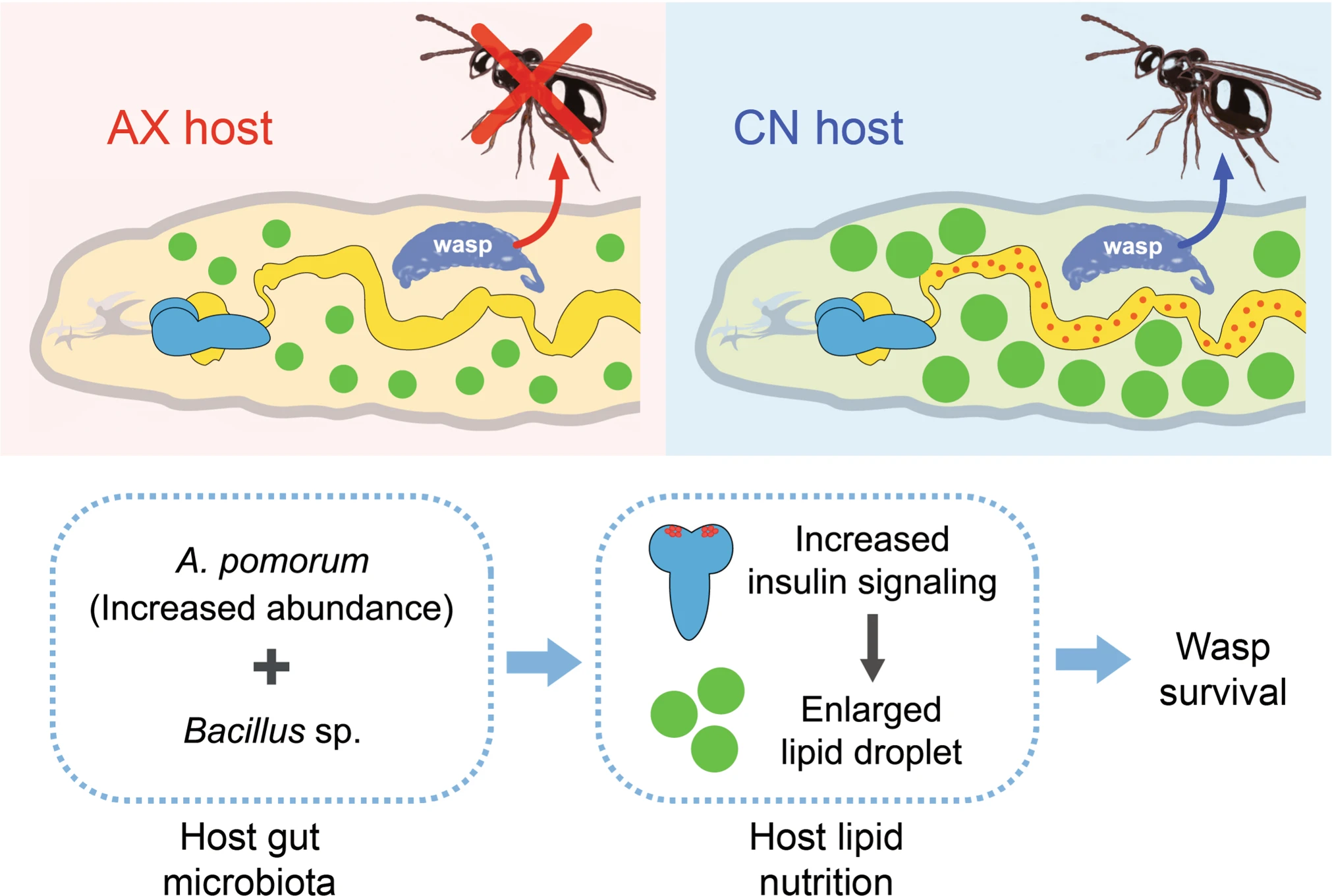
Parasite reliance on its host gut microbiota for nutrition and survival

The proposed model of how host gut microbiota promotes parasite survival. (Figure 6) Studying the microbial symbionts of eukaryotic hosts has revealed a range of interactions that benefit host biology. Most eukaryotes are also infected by parasites that adversely affect host biology for their own benefit. However, it is largely unclear whether the ability of …

Ad libitum consumption of protein- or peptide-sucrose solutions stimulates egg formation by prolonging the vitellogenic phase of oogenesis in anautogenous mosquitoes

Background: Anautogenous mosquitoes commonly consume nectars and other solutions containing sugar but are thought to only produce eggs in discrete gonadotrophic cycles after blood-feeding on a vertebrate host. However, some anautogenous species are known to produce eggs if amino acids in the form of protein are added to a sugar solution. Unclear is how different sources …