Generic selectors
Exact matches only
Search in title
Search in content
Post Type Selectors

Category: CTEGD Blog

In the News: New study from the Tarleton Research Group

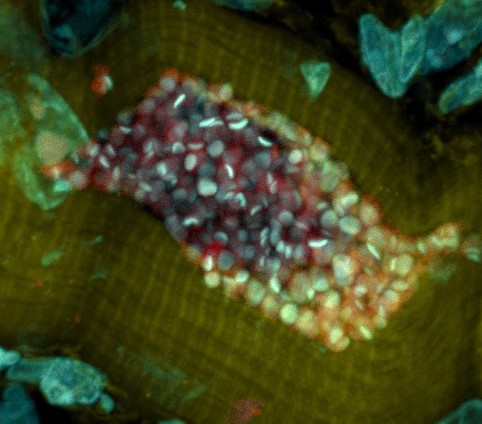
Rick Tarleton and colleagues recently published their new study, “Discovery of an orally active benzoxaborole prodrug effective in the treatment of Chagas disease in non-human primates” in Nature Microbiology. Check out these news stories about the study.

Behind the paper: New Hope for Treatment of a Very Neglected, Neglected Tropical Disease (Nature Microbiology)

Possible new treatment identified for neglected tropical disease (Science.org)

Researchers discover potential treatment for Chagas disease (Mirage News)

Researchers discover potential treatment for Chagas disease (Science Daily)

Researchers discover potential treatment for Chagas disease (Medical Xpress)

Chagas disease potential treatment: ‘I think it has a really strong chance of being a real solution’ (Outbreak News Today)

Promising New Drug May Effectively Treat Chagas Disease (Technology Networks)

Researchers discover potential treatment for Chagas disease (Newswise)

Potential Treatment for Chagas Disease (Labroots)

New Compound Shows Promise for Treating Chagas Disease (GEN)

Could Researchers Have Discovered a Chagas Disease Treatment? (PatientWorthy)

In the News: Christopher Rice quoted in news stories on Naegleria fowleri

Assistant Research Scientist Christopher Rice is quoted in news stories about the brain-eating amoeba Naegleria fowleri

Swimming in freshwater? Here’s what to know about the rare brain-eating Naegleria fowleri. (USA Today)

Iowa lake beach temporarily closed after swimmer contracts rare brain-eating amoeba infection (Daily News)

Missouri swimmer infected with rare brain-eating amoeba, likely from lake in Iowa (CBS News)

Swimmer at Lake of Three Fires State Park infected with brain-eating amoeba (The Gazette)

Man Infected With a Brain-Eating Amoeba While Swimming in Iowa Lake (Now This News)


Fagbami named 2022 Burroughs Wellcome Fund PDEP Fellow

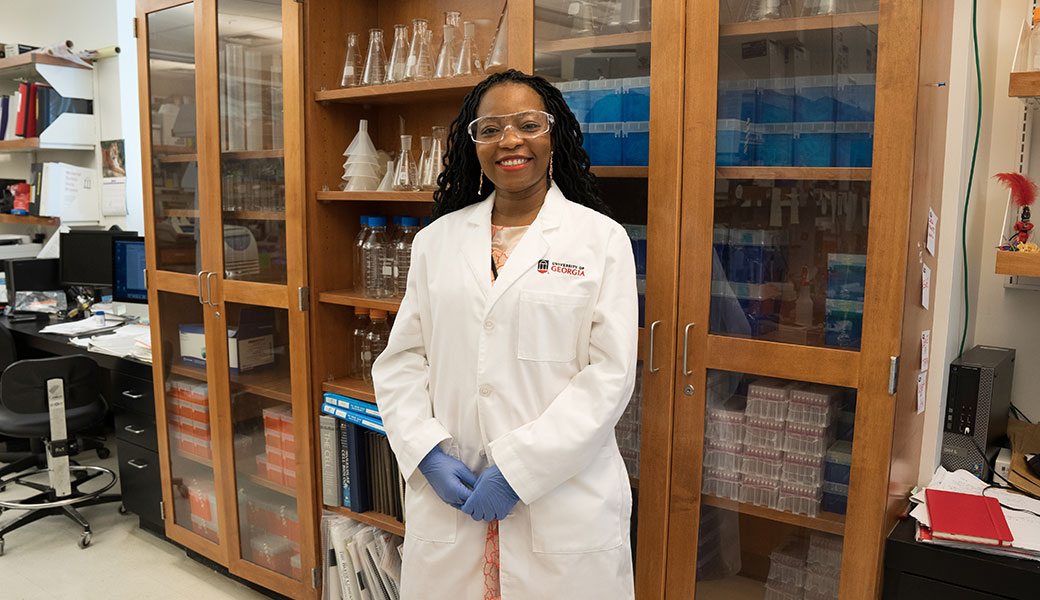
postdoctoral fellow Lola Fagbami
UGA’s Lọla Fagbami, winner of a Burroughs Wellcome Fund 2022 Postdoctoral Diversity Enrichment Program fellowship, is a native of Lagos, Nigeria, who relocated to the United States with her family in the late 1990s. She is passionate about expanding scientific literacy through outreach and mentoring as well as refuting chemophobia—the fear of or aversion to chemicals and chemistry. (Photo by Lauren Corcino)

Lọla Fagbami, a postdoctoral research associate at UGA, has been awarded a Burroughs Wellcome Fund 2022 Postdoctoral Diversity Enrichment Program fellowship.

Fagbami, UGA’s first PDEP Fellow, conducts research on the human malaria parasite Plasmodium falciparum at the Center for Tropical and Emerging Global Diseases. She works with Vasant Muralidharan, associate professor of cellular biology in the Franklin College of Arts and Sciences, who nominated her for the award.

“Dr. Fagbami has excellent training in metabolomics, mass spectrometry and Plasmodium drug discovery. Her exceptional work as a graduate student has shown how human malaria-causing parasites use metabolic adaptation to induce antimalarial drug resistance. Dr. Fagbami is a fearless, highly intelligent, accomplished and outstanding scientist who will be a leader in our field,” Muralidharan wrote in his nomination letter.

“Her research project addresses a major gap in the field that has enormous implications for malaria elimination and eradication efforts,” he added.

The PDEP award provides $60,000 over three years to support career-development activities for historically excluded minority postdoctoral fellows pursuing academic careers in biomedical or medical research, according to the Burroughs Wellcome Fund.

“This award is an investment in me as a scientist and leader and will help advance my career to the next level,” Fagbami said. “I am excited to join the extraordinary community of PDEP scholars and also connect with program alumni who have successfully made the transition to research independence.”

Fagbami earned a B.S. in chemistry at Emory University, an M.B.S. and an M.P.H. in health policy at Rutgers University, and a Ph.D. in chemical biology at Harvard University.

Increasing the knowledge base on brain-eating amoeba

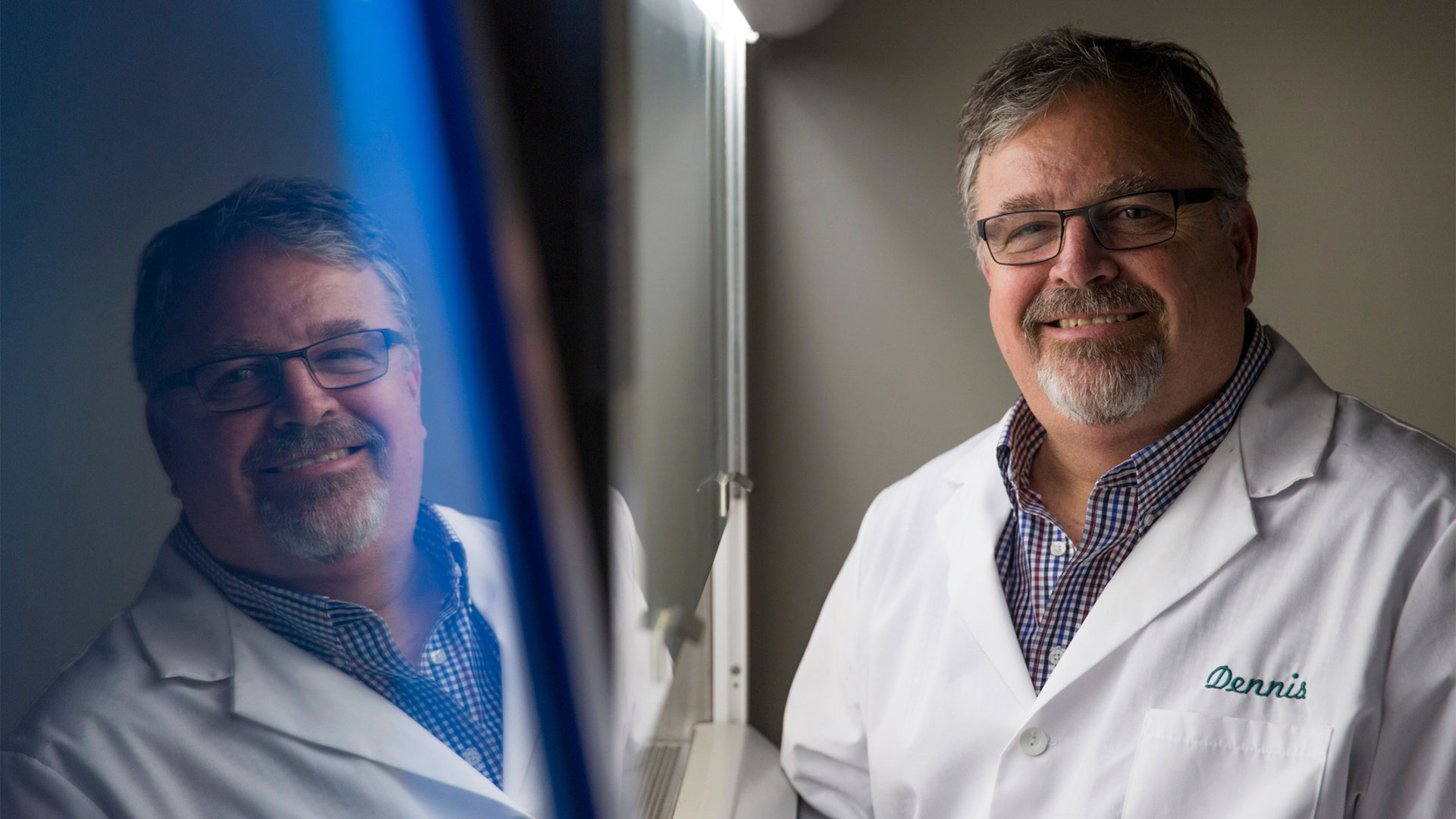
graduate student Cassie Russell in front of biological safety cabinet in Dennis Kyle's laboratory at the University of Georgia
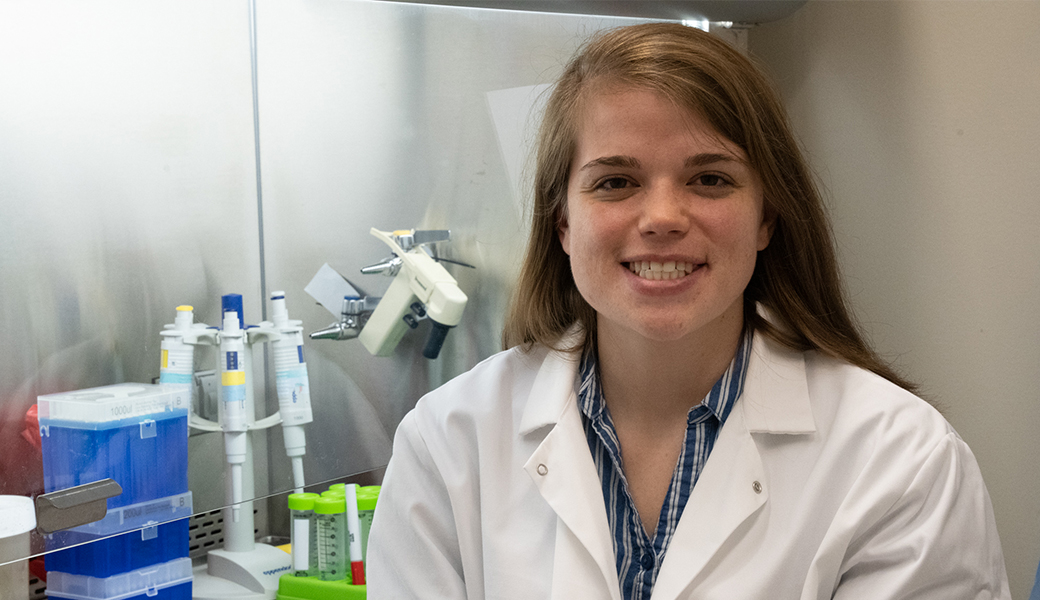
Cassie Russell, a graduate student in the Department of Infectious Diseases, in her laboratory space. (Photo by Ian Bennett)

Cassie Russell, a graduate student in the Department of Infectious Diseases, was an undergraduate when she first heard of Naegleria fowleri, also known as the brain-eating amoeba. While whole lectures in her parasitology course had been dedicated to other parasites, N. fowleri was barely a mention.

“I remember maybe 15 minutes was spent on it,” said Russell. “I was shocked that was all that was known about this deadly organism.”

N. fowleri causes the acute neurological disease primary amoebic meningoencephalitis (PAM). There have been hundreds of reported cases of PAM, but only seven survivors worldwide, according to the Centers for Disease Control and Prevention.

SEM image of Naegleria fowleri
Scanning electron microscopy image of Naegleria fowleri (submitted by Cassie Russell)

“I had the opportunity to speak with families in Florida who had lost someone to Naegleria fowleri infection,” she said. “The fear they had in not knowing what was wrong with their loved one and then learning that there was very little that could be done—their stories were just heartbreaking.”After arriving at UGA, Russell was pleased to find out that N. fowleri was one of the parasites being studied in Dennis Kyle’s laboratory at the Center for Tropical and Emerging Global Diseases.

Individuals, most commonly young children, become infected when they inhale warm freshwater contaminated with N. fowleri. This typically occurs during the late summer months when people are participating in recreational activities in rivers and lakes, but it can also occur when people use unsterilized tap water in nasal irrigation devices. It is more likely to occur in the southern United States, but infection is very rare. Between 2011 and 2020 only 33 cases were reported in the United States, according the CDC.

N. fowleri is one of the most neglected of the neglected tropical diseases. However, knowledge about the parasite has been growing since the 1960s as scientists build on new data and apply new technology. Russell is doing her part and was the lead on a study recently published in Microbiology Spectrum where, for the first time, drug susceptibility was tested across 11 clinical isolates.

“Current drug treatment is a cocktail of six different drugs,” said Russell. “However, only a few isolates have been tested in the lab for susceptibility. We don’t know if some drugs work better for different strains.”

A big question facing researchers is why these drugs show effectiveness in the lab when so few real-world cases have been successfully treated. Russell suspected that other factors were at play in treatment failure, such as genetic differences among geographically distinct amoeba populations.

The 11 isolates used in the study came from patients who contracted N. fowleri in different geographic regions. Russell found that these isolates had significant differences in susceptibility to seven of the eight drugs currently used to treat the infection.

The need for effective and fast-acting treatments is especially great. PAM is almost always fatal, with death occurring about a week after the initial onset of symptoms.

Doctors are racing against the clock as there is often a delay in diagnosis: The symptoms mimic meningitis, and N. fowleri is a rare infection. The drugs used can also be pretty toxic, so identifying the safest and most effective drug treatment could significantly improve outcomes.

Russell’s findings are another stepping stone to propel N. fowleri research toward increased understanding of this parasite and ultimately better treatments. For example, she realized that there is not a gold standard for genotyping.

“Researchers could be talking about genetically different isolates but not realize it,” said Russell.

In addition to creating a genotyping standard, she has identified combinational drug studies to test for synergism as a next step. For now, though, Russell is focusing on another need in the fight against N. fowleri—diagnostics.

“Awareness, improved diagnostic techniques and faster-acting drugs are needed to improve outcomes,” she said.


This story first appeared at https://research.uga.edu/news/increasing-the-knowledge-base-on-brain-eating-amoeba/

Creating databases to help cure diseases worldwide

Jessica Kissinger poses for a photo in the Infectious Diseases Institute in Uganda where she is currently a US Fullbright Scholar. (Photo/Courtesy Jessica Kissinger)

Jessica Kissinger is using her expertise in biology and big data to help other scientists


Jessica Kissinger never set out to make databases. From the time she was a little girl, she wanted to be a biologist.

Today, the University of Georgia professor not only studies deadly pathogens like malaria and Cryptosporidium (a waterborne parasite), but also is a driving force behind worldwide, groundbreaking collaborations on novel databases. During her time at UGA, she has received nearly $40 million in federal and private grants and contracts.

These databases can crunch vast amounts of biological information at warpspeed and reveal important patterns that pave the way for new approaches to scourges such as Leishmania (common in the tropics, subtropics, and southern Europe), toxoplasmosis (a systemic disease due to one of the world’s most common parasites), and Valley Fever (a fungus born on the wind that can cause lung and systemic infections). Novel drug and vaccine targets can be developed, as well as fresh insights on life-threatening pathogens.

“Fighting infections and developing new drug and vaccine targets requires detailed knowledge of a pathogen and how it functions,” explained Kissinger, a Distinguished Research Professor in UGA’s Department of Genetics, Institute of Bioinformatics and Center for Tropical and Emerging Global Diseases.

And, like internet searches, the databases are all free. Kissinger said it’s likely that pharmaceutical companies are mining some of the information in their quest to discover new therapeutic targets.

“They don’t tell us what they’re working on,” she said. “A database itself doesn’t produce a cure. A database can, however, remove most barriers to analysis of existing data.”

Big Data paves the way for big advances in science

It once took an entire decade to sequence a single genome—and the cost was many millions. Today, researchers can sequence a genome in a single afternoon for a few thousand dollars, transforming the field of genomics. Similar astounding advances have reshaped other ‘omics’ specialties, such as proteomics (study of proteins), metabolomics (study of metabolism), transcriptomics (study of RNA), and epigenomics (the influence of the environment on gene function). These advances mark the “Big Data” era in biology.

“The power that is unleashed by big data is phenomenal,” said Kissinger, “and it’s a very exciting time in history, with major funders and visionaries all across the world forming consortia to create a kind of ideal data universe.” Like explorers trekking into a new world, they will make discoveries we might only imagine right now.

Creating a malaria database

Kissinger’s innovations began over 23 years ago, while she was a postdoctoral researcher at the University of Pennsylvania studying a single-celled parasite called Toxoplasma gondii. The parasite shares some important features with the malaria pathogen, whose genome was in the process of being sequenced.

“I rounded up genome data from all over the world on Plasmodium (the causative agent of malaria), and ran analyses and put it on a website, so I could study the genes it might share with Toxoplasma,” she recalled. “It turns out nobody had made the Plasmodium data available for searching before.”

Soon she and her adviser, David Roos, had a million-dollar grant to formally establish a malaria database, PlasmoDB, and since its launch in 1999 it has grown to include additional pathogens and received continual funding from the NIH, the most recent for up to $38.4 million to maintain what has now become the Eukaryotic Pathogen, Vector and Host Informatics Resources knowledgebase (VEuPathDB), covering 14 different pathogens as well as host responses to infections. This comprehensive database is an integrated centralized resource for data mining on over 500 organisms.

The databases collectively contain over nine terabytes (9,000 gigabytes) of data, and have been compared to a Wikipedia for molecular parasitology by the British Society for Parasitology, which noted back in 2006: “We don’t know what we would do without it!”

Each month, VEuPathDB receives over 11 million hits from an average of 36,000 unique visitors in more than 100 countries, including India, Brazil and Kenya. A related database on vectors of disease (such as ticks that carry Lyme disease) was recently merged into VEuPathDB. The merger expanded each resource and enables researchers to better explore data on vectors such as ticks and mosquitoes and the pathogens they transmit.

Powerful tools are key to analyzing data

The databases are not just strings of numbers or words. They allow visualizations and graphic interfaces. Already, research is emerging that can help direct vaccine and drug development away from proteins that hosts and pathogens share, in order to protect the cell. Scientists using the databases have discovered proteins that reduce severe malaria and other proteins that protect malaria parasites from the human fever response. They have also found proteins that help Toxoplasma penetrate host cells.

In a single year an average of 200 publications a month cite VEuPathDB, and to date there have already been 24,000 citations total. Next up: cloud-ready applications and improved integration with yet other databases. These databases “have become essential data mining and access platforms for fungal and parasite genomics research,” said microbiologist and plant pathologist Jason Stajich of the University of California at Riverside.

“Without powerful, user-friendly tools to analyze it, “Big Data” is more a curse than a blessing,” explained John Boothroyd, an immunologist and microbiologist at Stanford University School of Medicine. “VEuPathDB is just such a tool and we owe Jessica Kissinger and her colleagues an enormous thank you for their tireless and selfless efforts to first conceive and then continuously improve this absolutely essential resource.”

Grants for related projects have come from a wide array of organizations, among them the Bill & Melinda Gates Foundation, the Sloan Foundation, and the World Health Organization. One of those projects, called ClinEpiDB, is home to a multicenter study that contains data from over 22,000 children from seven different sites in South Asia and Africa. This study is the largest ever to investigate the causes of diarrhea in children in lower- to middle-income countries. Other uses of ClinEpiDB include new data on hidden signs of malaria transmission in areas where incidence is declining, or how breastfeeding protects infants from common infections.

The VEuPathDB database would be enough to secure Kissinger’s reputation in the biological sciences, but she has not stopped there. At the University of Georgia, she was a founding member of the Institute of Bioinformatics, and served as its director from 2011 to 2109. The Institute’s mission is to facilitate cutting-edge interdisciplinary research in computational biology, and the program offers both masters and doctorates. She is a key researcher helping to partner a national hub for infectious disease research by linking with Emory University in Atlanta. The two institutions have grants totaling over $45 million to work on everything from tuberculosis to HIV to malaria.

“These databases are a success beyond my wildest dreams,” said Kissinger. “They are made by biologists for other biologists and address a real-life need.”


This story first appeared at UGA Today.

Trainee Spotlight: Justine Shiau

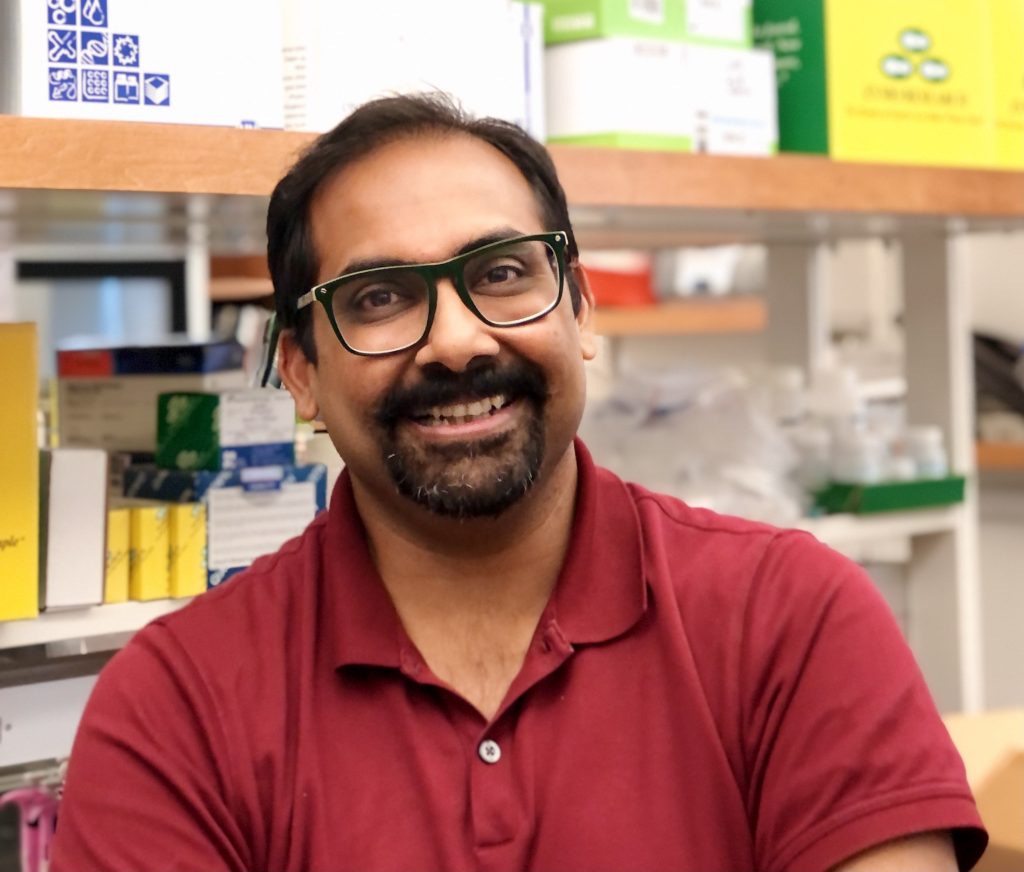
Justine Shiau

Justine Shiau, an NIH T32 fellow in Dr. Dennis Kyle’s laboratory, is originally from Taipei, Taiwan, and moved to the states after elementary school. She received her bachelor’s degree in Biology from the Pennsylvania State University, where she became interested in disease transmission, disease ecology, and parasitology while working with Dr. Ashutosh Pathak. Upon graduation, she moved to Athens to continue her training with Dr. Pathak, who at that time was working in the transmission ecology of vector-borne diseases with Dr. Courtney Murdock. Over the next two years, she took part in research projects revolving around vector biology and mosquito-transmitted pathogens. She was accepted by the UGA Integrated Life Science graduate program in Fall 2018.

In the Kyle lab, Justine is currently working on the transmission stages of Plasmodium falciparum, a human malaria parasite that causes significant mortality worldwide, specifically on the biology of the parasite transitioning from the vector to the human and the early stages within the human, prior to disease onset. She aims to complete the parasite’s life cycle in a laboratory setting, which would be a powerful tool to help further our understanding of the host-parasite interactions. She hopes to better understand the parasite biology and the transmission dynamic that the mosquitoes could have on the downstream infection in humans, which can potentially help us better understand and combat this horrible disease.

Why did you choose UGA?

UGA has one of the finest insectary facilities that allows the transmission of Plasmodium falciparum. Additionally, the Center of Tropical and Emerging Global Diseases (CTEGD) is the hub for parasitologists. The Center provides state-of-the-art infrastructure, research equipment, and, most of all, a supportive environment to cultivate and train graduate students to meet our goals.

What is your research focus?

Plasmodium falciparum is a parasite that causes malaria, which 50% of the world’s population is at risk of getting. Many children die from malaria every year; we cannot effectively prevent diseases and transmissions without a well-rounded understanding of the parasite’s biology and the essential players (mosquitoes) to complete its life cycle. My overarching goal is to complete the parasite’s life cycle in the lab. Currently, we are focusing on the biology of the parasite and its transition from mosquito back to human and within the human: from liver-to-blood stage infections. While doing this, there are two primary objectives that I would like to meet. First, I want to better understand the important factors for the parasites to establish infection in the human liver cells. Second, I am curious whether the mosquito stage infection can also impact the parasite’s efficiency in establishing infection in the human liver.

What are your future professional plans?

After graduate school, I hope to continue my postdoctoral training. I would like to pursue interdisciplinary research, with crosstalk between disease-ecology, parasitology, and vector biology.

Any advice for a student interested in this field?

Be open-minded and respectful to people with different expertise and people with diverse backgrounds.


Support trainees like Justine by giving today to the Center for Tropical & Emerging Global Diseases.

Jessica Kissinger elected as AAAS Fellow

Jessica Kissinger with student
Dr. Jessica Kissinger with student

Three University of Georgia faculty have been named Fellows of the American Association for the Advancement of Science.

In a tradition stretching back to 1874, these individuals are elected annually by the AAAS Council for their extraordinary achievements leading to the advancement of science. Fellows must have been AAAS members for at least four years.

“Researchers are elected Fellows of the AAAS by their peers in recognition of significant contributions to their field,” said Karen Burg, vice president for research. “As we expand our research and innovation ecosystem, it’s exciting to see our faculty continue to be honored for their superb scholarship. I congratulate all of them on this wonderful achievement.”

The 2021 class of AAAS Fellows includes 564 scientists, engineers and innovators spanning 24 scientific disciplines who are being recognized for their scientifically and socially distinguished achievements. The new Fellows will be honored at the annual AAAS meeting in Philadelphia, Feb. 17-20.  Along with the rest of their 2021 class, UGA’s three new Fellows will receive an official certificate and a gold and blue rosette pin whose colors represent science and engineering.

Including these three, 37 faculty at UGA are Fellows of the American Association for the Advancement of Science.

UGA’s 2021 AAAS Fellows are:

James E. Byers: Meigs Distinguished Teaching Professor and associate dean for research and operations in the Odum School of Ecology, Byers was selected for distinguished contributions to the field of ecology, particularly in invasion biology, parasite ecology, ecosystem engineering and range boundaries in marine environments, as well as excellence in teaching.

Jessica Kissinger: Distinguished Research Professor of genetics in the Franklin College of Arts and Sciences and a member of the Center for Tropical and Emerging Global Diseases, Kissinger was selected for distinguished contributions to the field of the evolution of infectious diseases, particularly for bioinformatics approaches.

Patricia Yager: Professor of marine science in the Franklin College, Yager was selected for outstanding work on climate-driven processes and their impact on marine ecosystems.

To view a list of all AAAS Fellows from UGA, visit the Office of Research website.


The story by Ian Bennet first appeared on UGA Today.

Cytometry Shared Resource Lab expands capabilities with new instrument

Julie Nelson
Julie Nelson, CSRL manager, is available to train users on the newly acquire CYTEK Aurora flow cytometer. (photo credit: Donna Huber)

With the generous financial support of The Office of Research, Cytometry Shared Resource Lab, Center for Tropical and Emerging Global Diseases, Department of Infectious Diseases, and UGA faculty members Rick Tarleton, Mark Tompkins, Chet Joyner, and Sam Kurup, the CTEGD Cytometry Shared Resource Laboratory (CSRL) recently added the Cytek Aurora Spectral Cytometer to its facility. This new instrument provides a high level of flexibility to the researcher and complements the other instruments available at the facility.

“It’s great to be able to bring this exciting new resource to campus in support of the incredible research UGA members are conducting,” said Julie Nelson, CSRL manager.

Flow cytometry is a technique for measuring characteristics of cells or particles using laser excitation and innate fluorescence emission or emission from dyes added to identify cells or particles and their function in experimental biology.  In the past 30 years, this technology has revolutionized many areas of cell biology research including the study of viruses, bacteria, infectious diseases, and cancer.  This technology has also proven useful in genetic studies of plants.

The Aurora Spectral Cytometer delivers high-resolution data at the single-cell level to resolve the most challenging cell populations, such as cells with high autofluorescence or low levels of expression of key biomarkers, regardless of assay complexity. With 64 emission detectors and 5 lasers for excitation, the Aurora can resolve almost any fluorescent marker currently on the market. It can also evaluate dyes under development that can be excited by one or more of the 5 lasers available.

“This cytometer expands our capabilities from a limit of 24 parameters to 64 making it ideal for high dimensional immunophenotyping,” said Nelson. “But because of its unique spectral emission detection, it is also the best instrument for looking at highly autofluorescent cells, such as macrophages and liver cells, regardless of how many markers are needed for the assay.”

For more than 20 years, the CSRL has provided access to state-of-the-art flow cytometry analyzers to researchers at the University of Georgia and across the scientific community. In addition to the instruments, the facility also provides expert advice and consultation for the design and analysis of flow experiments.

The CSRL is hosting a free webinar on the CYTEK Aurora on Friday, January 28 at 1:00 pm with Christopher Fleming, Ph.D. To register: https://register.gotowebinar.com/register/2294357931236562192

webinar flyer