Generic selectors
Exact matches only
Search in title
Search in content
Post Type Selectors

Author: Donna Huber

New Confocal Microscope at the Biomedical Microscopy Core

The University of Georgia’s Biomedical Microscopy Core has recently acquired a Zeiss LSM 980 confocal microscope with Airyscan2 and Multiplex Mode for confocal and super-resolution imaging. This new state-of-art microscope is capable of fast, gentle, and simultaneous imaging of live and fixed samples with up to 5 colors (Blue, green, Red, Far-Red & NIR), and …


Evaluation of delayed LNFPIII treatment initiation protocol on improving long-term behavioral and neuroinflammatory pathology in a mouse model of Gulf War Illness

Chemical overexposures and war-related stress during the 1990-1991 Gulf War (GW) are implicated in the persisting pathological symptoms that many GW veterans continue to endure. These symptoms culminate into a disease known as Gulf War Illness (GWI) and affect about a third of the GW veteran population. Currently, comprehensive effective GWI treatment options are unavailable. …

Gastrointestinal helminths increase Bordetella bronchiseptica shedding and host variation in supershedding

Co-infected hosts, individuals that carry more than one infectious agent at any one time, have been suggested to facilitate pathogen transmission, including the emergence of supershedding events. However, how the host immune response mediates the interactions between co-infecting pathogens and how these affect the dynamics of shedding remains largely unclear. We used laboratory experiments and …

Cephalotane-type C20 diterpenoids from Cephalotaxus fortunei var. alpina

Seventeen new cephalotane-type diterpenoids, fortalides A-Q (1-17), along with five known analogues, were isolated from the seeds of Cephalotaxus fortunei var. alpina. Their structures were determined by extensive spectroscopic methods, as well as electronic circular dichroism (ECD) and X-ray crystallographic data analyses. Some isolates exhibited unusual structural features that were first found in cephalotane-type diterpenoids, such as the …

Pseudokinase NRP1 facilitates endocytosis of transferrin in the African trypanosome

Trypanosoma brucei causes human African trypanosomiasis (HAT) and nagana in cattle. During infection of a vertebrate, endocytosis of host transferrin (Tf) is important for viability of the parasite. The majority of proteins involved in trypanosome endocytosis of Tf are unknown. Here we identify pseudokinase NRP1 (Tb427tmp.160.4770) as a regulator of Tf endocytosis. Genetic knockdown of …

Prophylactic low-dose, bi-weekly benznidazole treatment fails to prevent Trypanosoma cruzi infection in dogs under intense transmission pressure

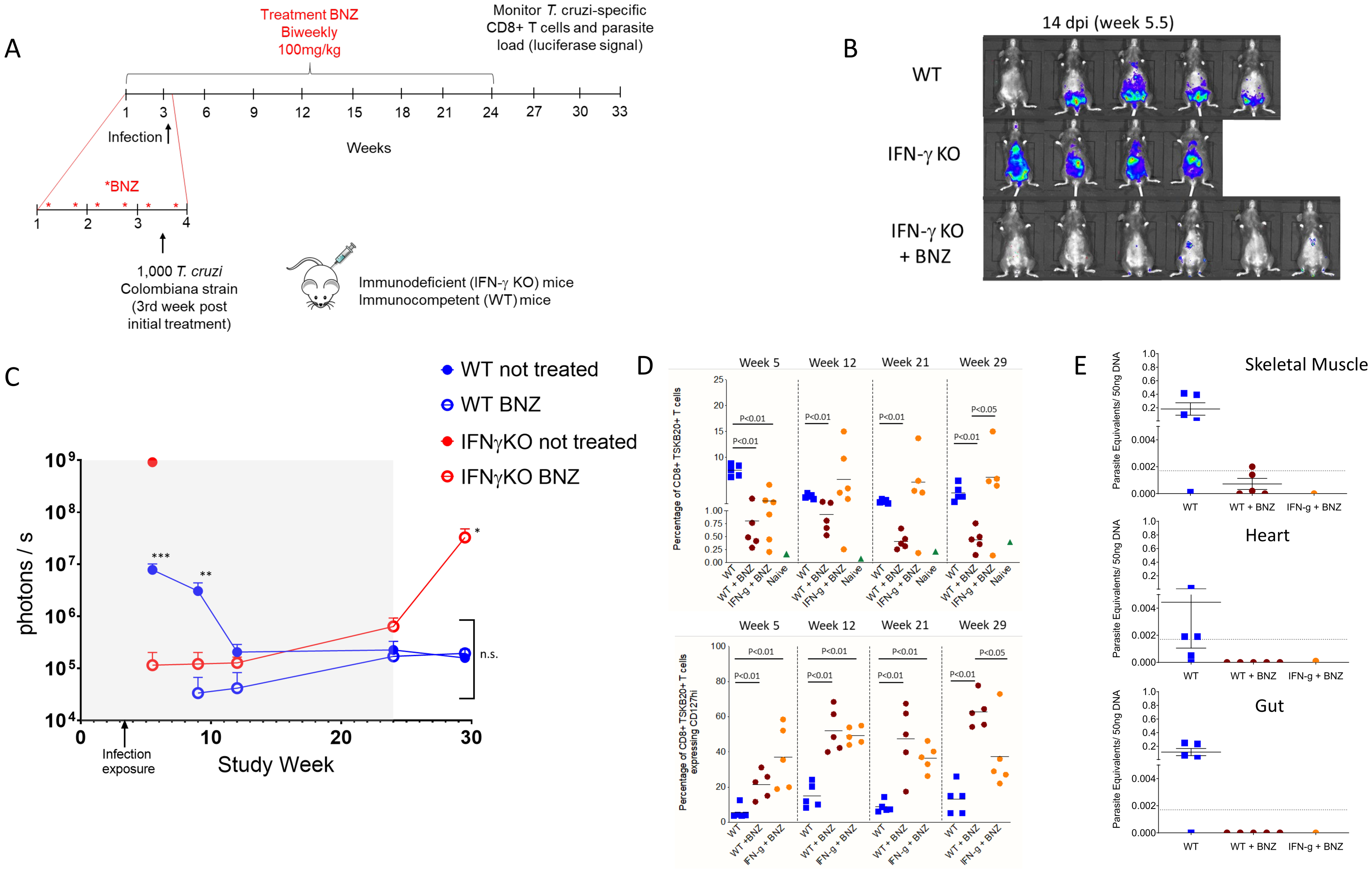
Trypanosoma cruzi naturally infects a wide variety of wild and domesticated mammals, in addition to humans. Depending on the infection dose and other factors, the acute infection can be life-threatening, and in all cases, the risk of chagasic heart disease is high in persistently infected hosts. Domestic, working, and semi-feral dogs in the Americas are …

Assessing seroprevalence and associated risk factors for multiple infectious diseases in Sabah, Malaysia using serological multiplex bead assays

Background: Infectious diseases continue to burden populations in Malaysia, especially among rural communities where resources are limited and access to health care is difficult. Current epidemiological trends of several neglected tropical diseases in these populations are at present absent due to the lack of habitual and efficient surveillance. To date, various studies have explored the …

The mystery of massive mitochondrial complexes: the apicomplexan respiratory chain

The mitochondrial respiratory chain is an essential pathway in most studied eukaryotes due to its roles in respiration and other pathways that depend on mitochondrial membrane potential. Apicomplexans are unicellular eukaryotes whose members have an impact on global health. The respiratory chain is a drug target for some members of this group, notably the malaria-causing …

Spindly is a nucleocytosolic O-fucosyltransferase in Dictyostelium and related proteins are widespread in protists and bacteria

O-GlcNAcylation is a prominent modification of nuclear and cytoplasmic proteins in animals and plants, and is mediated by a single O-GlcNAc transferase (OGT). Spindly (Spy), a paralog of OGT first discovered in higher plants, has an ortholog in the apicomplexan parasite Toxoplasma gondii, and both enzymes are now recognized as O-fucosyltransferases (OFTs). Here we investigate …