


Home

Two scientists in lab coats converse in a laboratory at the Center for Tropical and Emerging Global Diseases, with equipment and shelves visible in the background.

Faculty Directory

Learn more about our members

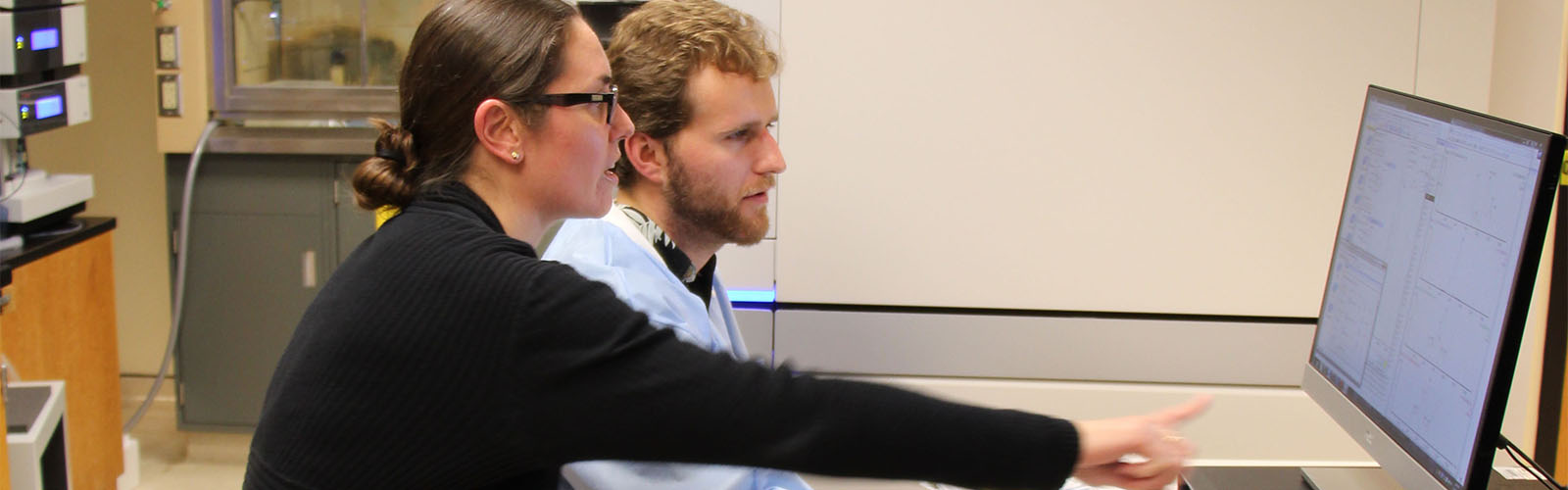
Two people sit at a desk in the Center for Tropical and Emerging Global Diseases lab, looking at a computer monitor while one person points at the screen.

Graduate Training

Learn more about earning your Ph.D. with us

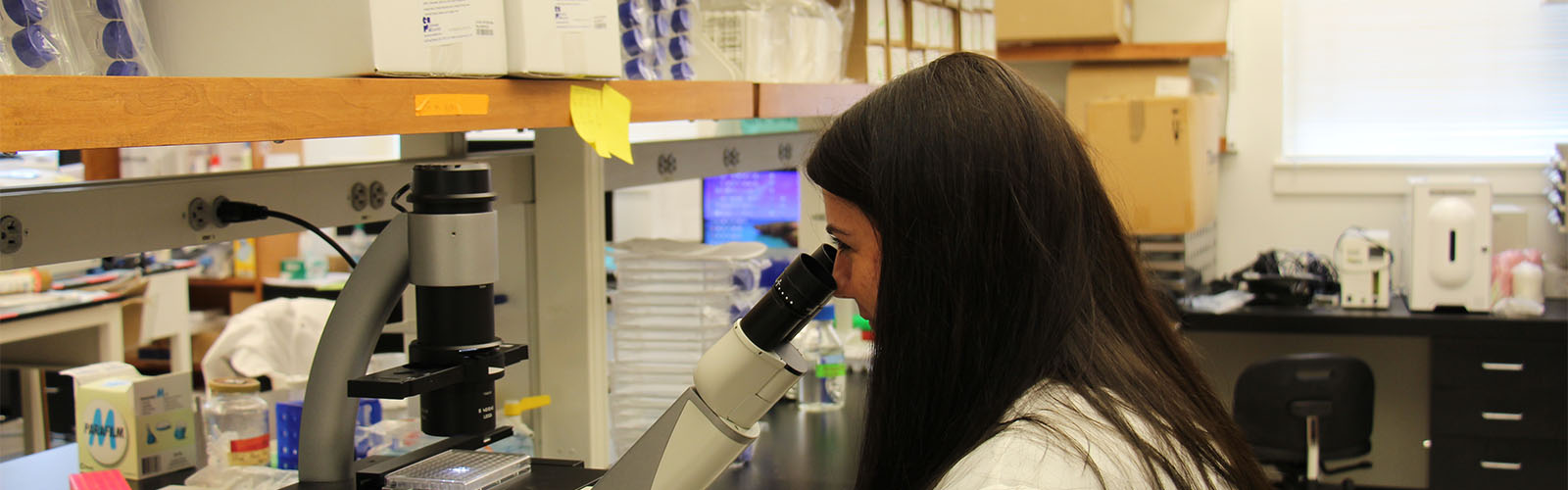
A person in a lab coat looks into a microscope at a laboratory workstation, surrounded by scientific equipment, at the Center for Tropical and Emerging Global Diseases.

Now Hiring

Check out our open research positions

Trainee Spotlight: Nathan Chasen, wearing black gloves, sits at a lab workstation, showing a computer monitor displaying colorful microscopic images.

Training Program

Funded training for graduate students & postdocs

The Center for Tropical and Emerging Global Diseases (CTEGD) at the University of Georgia is one of the largest international centers of research focused on diseases of poverty. Researchers and students work together on some of the most important causes of human suffering around the world, including malaria, schistosomiasis, African sleeping sickness, Chagas disease, cryptosporidiosis, toxoplasmosis, leishmaniasis, and filariasis.

Featured News

A gloved hand labels a flask among rows of small laboratory flasks containing red liquid, as UGA researchers conduct vital Chagas disease test of cure experiments on a black lab bench.

UGA researchers develop first test of cure for Chagas disease >>Read More>>

A man with short dark hair and a mustache stands outdoors, smiling with arms crossed in a blue shirt—perfect for a Faculty Directory profile. Green bushes and a brick building are visible in the background.

Kurup wins prestigious PATH award for groundbreaking malaria research >>Read More>>

Doug Paton

Treating Mosquitoes: Innovative Ways to Combat Malaria – People, Parasites, and Plagues podcast >>Read More>>

Recent Publications

graphical abstract

PGDD 2.0: Plant Genome Duplication Database with updated content and tools >>Abstract>>

Hypothetical model showing Ca2+ entry through two different types of Ca2+ channels, uptake by T. gondii sarco/endoplasmic reticulum Ca2+- ATPase (TgSERCA) into the endoplasmic reticulum (ER) and distribution to the other organelles via transfer from the ER to the mitochondria, Plant-Like Vacuolar Compartment (PLVAC), and apicoplast.

Calcium transfer from the ER to other organelles for optimal signaling in Toxoplasma gondii >>Abstract>>

graphical abstract

Selenocyanate-Containing Molecules as Trypanosoma cruzi Inhibitors: Impact of Regioisomerism, Conformational Restriction, and Second-Ring Substitution >>Abstract>>

Upcoming Events

Video of the Week

The Tarleton Research Group at the University of Georgia’s Center for Tropical and Emerging Global Diseases discusses the importance of persistence and dormancy in Trypanosoma cruzi infection and Chagas disease in a review published in Current Opinion in Microbiology.